5/29/2018
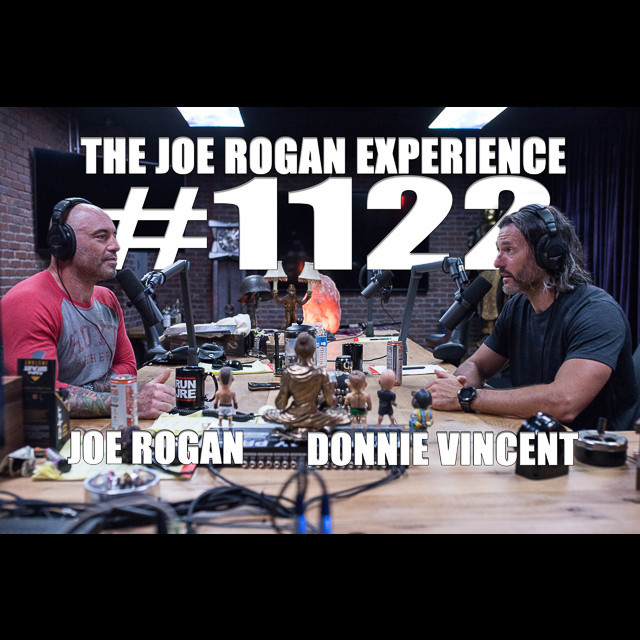
Joe Rogan Podcast #1122 – Donnie Vincent: Topics and Summary
This podcast features Donnie Vincent, a biologist, explorer, conservationist, sportsman, and filmmaker, as he shares his unique perspective on hunting, wildlife, and the human relationship with nature. Provocative topics include the ethics of hunting, the role of predators in ecosystems, and the impact of large-scale agriculture. Underlying themes explore the importance of personal experience, the need for ecological awareness, and the complex nature of human-animal interactions.
1. The Art of Hunting and Ethical Considerations:
- Donnie Vincent advocates for a slow, intentional approach to hunting, emphasizing the importance of appreciating the environment and the animal.
- He challenges the perception of hunters as villains, arguing that hunters are often passionate about conservation and responsible for maintaining healthy ecosystems.
- Vincent stresses the ethical responsibility hunters have to treat animals with respect, even in the act of killing them, emphasizing the importance of clean protein and understanding the cycle of life.
- Vincent highlights the role of hunters in funding wildlife management and conservation efforts, revealing a complex relationship between hunting and ecosystem preservation.
2. The Wildness of Nature and the Role of Predators:
- Vincent passionately defends the need for predator control, arguing that predators like bears and mountain lions are crucial for maintaining a healthy balance in ecosystems.
- He debunks misconceptions about bears, showcasing their intelligence and complex social structures, and highlighting their importance as apex predators.
- Vincent dives into his personal experience with wolves, revealing a profound respect for their intelligence and social dynamics, and sharing stories of his close encounters with a pack in Alaska.
- He emphasizes the importance of understanding the role of predators in nature, arguing that their presence is essential for a thriving ecosystem.
3. The Impact of Large-Scale Agriculture and Factory Farming:
- Vincent criticizes large-scale agriculture and factory farming, highlighting the inhumane conditions animals are subjected to and the environmental damage caused by monoculture practices.
- He exposes the hypocrisy of individuals who condemn hunting while consuming meat produced in factory farms, highlighting the ethical inconsistencies in modern food systems.
- Vincent delves into the environmental impact of large-scale agriculture, discussing the depletion of soil nutrients, the creation of dead zones in the ocean, and the need for sustainable practices.
- He encourages individuals to question their food choices and consider the broader ecological and ethical implications of their consumption habits.
4. The Future of Food and the Rise of Laboratory-Created Meat:
- Vincent discusses the development of laboratory-created meat, exploring its potential to reduce the environmental impact of animal agriculture while raising concerns about its long-term implications.
- He questions the ethical and ecological consequences of replacing traditional farming with laboratory-produced meat, exploring potential downsides like the loss of farmland and the dependence on technology.
- Vincent acknowledges the potential benefits of laboratory-created meat, including reducing animal suffering and potentially addressing food security concerns, but also points out the lack of information regarding its safety and long-term effects.
- He emphasizes the need for careful consideration and thorough research before widely adopting laboratory-created meat, urging caution about unintended consequences.
5. The Disconnect Between Modern Society and the Natural World:
- Vincent highlights the growing disconnect between modern society and the natural world, particularly in urban areas where individuals have minimal exposure to wilderness and wildlife.
- He emphasizes the importance of engaging with the natural world firsthand, arguing that personal experiences with hunting and observing wildlife offer a deeper understanding and appreciation for ecosystems.
- Vincent criticizes the distorted portrayal of wildlife in zoos and the unnatural environment it creates, emphasizing the value of experiencing wildlife in its natural habitat.
- He advocates for fostering a stronger connection between humans and the natural world through education, personal experience, and a deeper understanding of the importance of ecological balance.
6. The Importance of Personal Experience and Challenging Prejudices:
- Vincent emphasizes the power of personal experience in shaping perspectives and challenging prejudices, highlighting his own journey of learning and evolving his views on hunting and wildlife.
- He encourages individuals to step outside their comfort zones and engage in activities that challenge their preconceived notions, particularly those related to hunting, conservation, and human-animal interactions.
- Vincent argues that true understanding and appreciation for nature comes from direct interaction and immersion in the natural world, encouraging individuals to go beyond secondhand knowledge and engage with the environment directly.
- He highlights the transformative potential of challenging one’s prejudices and embracing new experiences, suggesting that personal growth often stems from confronting uncomfortable truths and expanding one’s horizons.
7. The Need for Sustainable Practices and Ecological Awareness:
- Vincent expresses concern about the impact of human activities on ecosystems, particularly the overuse of motorized vehicles in wilderness areas and the subsequent damage to habitats.
- He advocates for responsible hunting practices that prioritize the well-being of animals and the preservation of ecosystems, promoting a balanced approach to resource utilization.
- Vincent emphasizes the importance of ecological awareness and promoting sustainable practices that minimize human impact on the environment, advocating for a holistic approach to conservation.
- He calls for individuals to take responsibility for their actions and contribute to the protection of natural resources, promoting a sense of stewardship and respect for the interconnectedness of ecosystems.
8. The Importance of Storytelling and Connecting With Nature:
- Vincent discusses his passion for filmmaking, emphasizing its power to convey complex themes and connect audiences with the natural world.
- He highlights the role of storytelling in educating viewers about hunting, wildlife, and the importance of conservation, promoting deeper understanding and appreciation.
- Vincent believes that filmmaking can serve as a powerful tool for connecting individuals with nature, fostering empathy and promoting a sense of responsibility for environmental stewardship.
- He encourages individuals to explore different forms of media that promote ecological awareness and a deeper connection with the natural world.
5 Memorable Quotes:
- “And I just don’t think that you get a real sense of what it’s like. What I think you did that’s really interesting and 1 of the reasons why I wanted to have you on is you’re doing films like you’re doing an hour long film about a hunt. And in that, you really get an understanding of the environment. You take great shots or whoever your cameraman is. Yep. Great shots to bring him in and close ups on leaves floating down a river and you just get you get a a real sense of it which is missing I mean, it’s it’s still you’re still getting a blink of, you know, multiple weeks in in the wilderness.”
- “It’s very difficult to articulate how much you love something, yet you’re willing to engage it in such a heavy way, such a violent way that you’re willing to step in, kill it, cut it up, get your hands bloody, because really that’s what it is. We love it so much that we’re willing to expose ourselves to the elements, put ourselves in these places, let the air or the bullet go, watch an animal die, which is never never an interesting thing to walk. Say interesting, but it’s just not a pleasurable thing to watch.”
- “The idea that hunters hate animals too is also a very confusing thing. This is punters love animals, you know. There’s a lot of hunters that have dogs and cats.”
- “If you really care about the animal, why would you kill Right? That’s — Yeah. — that’s the big question.”
- “I think anyone honestly treating anything with ethics. Right? And particularly animals, of course, hunters are animal lovers. You know, we rescue dogs. We rescue cats.”