27-Jun-18
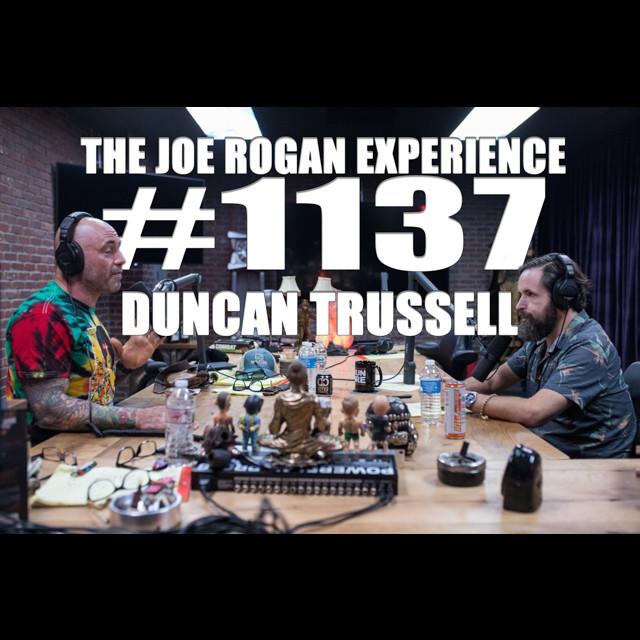
Joe Rogan Experience #1137 – Duncan Trussell: Topics and Summary
This podcast features a wide-ranging discussion between Joe Rogan and comedian Duncan Trussell, exploring a variety of topics from personal experiences to philosophical insights. The conversation touches on themes of consciousness, technology, societal issues, and the human condition.
Major Topics:
- The Apple Keyboard Controversy:
- Rogan expresses his strong dislike for the thin, flat keyboards found on modern MacBooks, citing their lack of tactile feedback and comfort.
- He contrasts this with the “classic” Apple keyboard design, highlighting its satisfying feel and responsiveness.
- Rogan shares an anecdote about an Apple employee who advised him against buying a new MacBook Pro, suggesting that his older model was sufficient for his needs.
- This interaction highlights Apple’s shift towards customer-centric service rather than aggressive sales tactics.
- The Impact of Technology on Human Communication:
- Rogan argues that increased interconnectedness through technology has led to a decline in meaningful human interaction.
- He cites the proliferation of online negativity and the ease with which people can lash out at each other anonymously.
- This accessibility to communication can exacerbate negativity and make it difficult to engage in respectful discourse.
- The podcast emphasizes the need to relearn communication skills in the digital age, promoting empathy and thoughtful engagement.
- Psychedelic Experiences and Mental Health:
- The podcast delves into the potential benefits and risks of psychedelics, specifically focusing on their ability to induce flow states and connect individuals with a sense of “home.”
- Rogan cautions against the oversimplification of psychedelics as a cure-all, emphasizing that they can trigger negative experiences in individuals with certain mental health conditions.
- He discusses the importance of setting and intention when exploring psychedelics, advocating for responsible and mindful use.
- The discussion highlights the ongoing debate surrounding psychedelics, their potential therapeutic applications, and the ethical considerations surrounding their use.
- The Phenomenon of “Bullshit Jobs”:
- Rogan references David Graeber’s book, “Bullshit Jobs,” which explores the pervasiveness of work that is meaningless and detrimental to employee well-being.
- He argues that corporations often create unnecessary positions and tasks, forcing employees to engage in deceptive practices to maintain their employment.
- The podcast highlights the disconnect between modern work and the human need for purpose and meaning, questioning the current system’s impact on individual fulfillment.
- The discussion criticizes the pressure to conform to societal expectations of work, urging listeners to prioritize their own values and seek fulfilling experiences.
- The Ethics of Corporate Drug Testing:
- Rogan criticizes corporate drug testing policies, arguing that they infringe upon personal liberty and often target harmless substances like marijuana.
- He suggests that such policies stem from a fear of employees accessing states of consciousness that may challenge corporate control and productivity.
- The podcast calls for a reevaluation of drug testing practices, advocating for individual autonomy and the right to explore consciousness outside of corporate constraints.
- The discussion highlights the growing societal debate surrounding drug legalization and the ethical implications of corporate control over employee behavior.
- Masturbation and Sexual Energy:
- The podcast delves into the cultural taboo surrounding masturbation, comparing its perceived repulsiveness to the more socially acceptable act of defecation.
- Rogan explores the idea of sexual energy as a potent force that can be channeled in various ways, questioning whether it needs to be solely expressed through physical release.
- He emphasizes the importance of balance in managing sexual desire, advocating for healthy practices and mindful engagement with this powerful energy.
- The discussion challenges societal norms surrounding sexuality, encouraging a more nuanced understanding of sexual expression and its impact on mental and emotional well-being.
- Mindfulness and Meditation:
- Rogan describes his experience learning mindfulness meditation from Chogyam Trungpa, highlighting the simplicity and effectiveness of the practice.
- He explains the process of bringing awareness to the breath and observing the cyclical nature of thought, emphasizing the importance of returning to the present moment.
- The podcast encourages listeners to embrace mindfulness as a tool for managing stress, cultivating self-awareness, and promoting emotional balance.
- The discussion emphasizes the power of simple practices to enhance mental well-being, promoting a shift from overthinking to present moment awareness.
- The Momentum of the Past:
- Rogan explores the concept of “the momentum of the past,” which refers to the lingering impact of past experiences, both positive and negative, on our present actions and perceptions.
- He highlights the tendency for individuals to define themselves by past failures, leading to self-sabotaging behaviors and an inability to move forward.
- The podcast emphasizes the importance of learning from the past without being trapped by it, encouraging listeners to embrace growth and self-acceptance.
- The discussion encourages a compassionate approach to self-reflection, recognizing the impact of past experiences while fostering a mindset of continuous growth and change.
- Karma and the Seeds We Plant:
- Rogan explores the concept of karma, suggesting that our actions, both conscious and unconscious, create a ripple effect in the universe.
- He uses the analogy of planting seeds, highlighting how our behaviors, both positive and negative, ultimately manifest in our lives.
- The podcast emphasizes the interconnectedness of all beings and the importance of cultivating positive actions and thoughts.
- The discussion encourages mindfulness and responsibility, recognizing the impact of our choices on ourselves and others.
- The Influence of Addiction on Identity:
- Rogan discusses the insidious nature of addiction, highlighting how it can become intertwined with an individual’s identity and sense of self.
- He references the example of rapper Lil Peep, whose public persona incorporated the romanticization of drug addiction.
- The podcast warns against the dangerous allure of romanticizing addiction, emphasizing the importance of seeking healthy coping mechanisms.
- The discussion encourages a critical examination of our relationship with substances and behaviors, advocating for self-awareness and personal responsibility.
- The Role of Corporations in Shaping Consciousness:
- Rogan theorizes that powerful corporations actively suppress and control access to altered states of consciousness, fearing that individuals in such states may challenge their authority and productivity.
- He suggests that the illegalization of psychedelics and the prevalence of “bullshit jobs” are part of a broader societal control mechanism.
- The podcast encourages listeners to resist corporate pressures and prioritize their own spiritual and personal growth.
- The discussion raises questions about the power dynamics in society and the impact of corporations on individual autonomy and consciousness.
- The “Demiurge” and the “Galactic Civilization”:
- Rogan proposes a philosophical framework, drawing inspiration from the concept of the “demiurge,” which represents a powerful force attempting to control and restrict human consciousness.
- He suggests that this force is actively trying to prevent a “galactic civilization” from emerging, fearing the potential for a shift in consciousness and power dynamics.
- The podcast speculates on the possibility of a “singularity” – a technological advancement that could unlock a new level of human consciousness and connection.
- The discussion explores themes of control, liberation, and the potential for human evolution, engaging in philosophical speculation and prompting listeners to consider broader societal and cosmic forces.
- The Illusion of “On Time”:
- Rogan challenges the concept of “being on time” as a societal construct, arguing that it arose during the Industrial Revolution to enforce factory schedules.
- He suggests that the obsession with time is a modern phenomenon, a form of control that dictates how we live and work.
- The podcast encourages listeners to question the value of “time” in their lives, promoting a more mindful approach to work and leisure.
- The discussion challenges the modern work ethic, questioning the necessity of rigid schedules and promoting a more balanced and fulfilling approach to life.
- The Power of Video Games:
- Rogan discusses the potential for video games to engage the mind in intellectually stimulating ways, challenging the notion that they are merely frivolous entertainment.
- He highlights the complex mechanics and strategic thinking involved in games like “God of War” and “StarCraft,” arguing that they require significant cognitive abilities.
- The podcast encourages listeners to reconsider their perception of video games, recognizing their potential to enhance mental agility and creativity.
- The discussion challenges societal biases against video games, acknowledging their evolving complexity and potential for personal and intellectual growth.
- The Importance of Passion and Purpose:
- Rogan emphasizes the significance of pursuing activities and careers that align with our passions and values, arguing that this is crucial for overall well-being.
- He contrasts the experience of working in a “bullshit job” with the fulfillment found in pursuing a career that ignites genuine passion, like the example of video game developers.
- The podcast encourages listeners to prioritize their own interests and seek out opportunities that allow them to engage with their passions.
- The discussion promotes a philosophy of living a life filled with purpose and meaning, encouraging listeners to find their unique paths and pursue their true calling.
- The “One Thing” Principle:
- Rogan references Miyamoto Musashi’s “Book of Five Rings,” highlighting the concept of “learning one thing” and applying it to multiple areas of life.
- He suggests that mastering a single skill can lead to a deeper understanding of other areas, fostering a holistic approach to learning and growth.
- The podcast encourages listeners to embrace a “multidisciplinary” approach to learning, seeking connections across various fields and experiences.
- The discussion emphasizes the interconnectedness of knowledge and the potential for cross-pollination of ideas and skills across disciplines.
- The Power of Compassion and Self-Acceptance:
- Rogan emphasizes the importance of cultivating compassion for ourselves, recognizing that we are all works in progress, shaped by past experiences and ongoing growth.
- He encourages self-reflection and acceptance of our flaws, recognizing that everyone makes mistakes and has areas for improvement.
- The podcast highlights the need for self-forgiveness and understanding, fostering a more compassionate approach to our own journey of self-discovery.
- The discussion encourages a shift from self-criticism to self-acceptance, paving the way for greater empathy and understanding in our relationships with others.
- The Importance of Exercise and Physical Tension:
- Rogan advocates for the benefits of exercise as a tool for managing physical and emotional tension, arguing that it can positively impact mental clarity and decision-making.
- He suggests that unresolved physical tension can contribute to negative thought patterns and emotional imbalances.
- The podcast encourages listeners to embrace physical activity as a vital component of overall well-being, promoting a healthy mind-body connection.
- The discussion highlights the often overlooked connection between physical health and mental well-being, advocating for a holistic approach to self-care.
- Trauma and its Impact on the Body:
- Rogan explores the concept of trauma being stored in the body, suggesting that it can manifest in physical symptoms and unconscious behaviors.
- He raises questions about the potential for memories to be stored in various parts of the body, beyond the brain.
- The podcast delves into the complex relationship between trauma, the body, and consciousness, prompting listeners to consider the potential for unresolved trauma to influence our present lives.
- The discussion encourages a deeper understanding of the impact of trauma on both mental and physical health, promoting awareness and potential pathways to healing.
- The Importance of Supporting Children’s Individuality:
- Rogan stresses the importance of allowing children to explore their own passions and interests, rather than imposing parental expectations or aspirations.
- He emphasizes the need to nurture individuality and support children in finding their own paths.
- The podcast encourages listeners to be mindful of the potential for parental pressure to stifle creativity and self-expression in children.
- The discussion advocates for a more compassionate and supportive approach to parenting, fostering a sense of freedom and autonomy in children.
- The Psychedelic Nature of Fatherhood:
- Rogan describes his experience with the transformative nature of fatherhood, highlighting the profound shift in perspective and the intense love he feels for his unborn child.
- He compares the experience to a “psychedelic” journey, emphasizing the depth of emotional connection and the sense of awe and wonder associated with bringing a life into the world.
- The podcast encourages listeners to consider the potential for fatherhood to be a deeply transformative experience, challenging preconceived notions and promoting a greater appreciation for family life.
- The discussion highlights the profound impact of love and connection on the human experience, advocating for a more empathetic and compassionate understanding of family dynamics.
- The Power of Love and Unconditional Kindness:
- Rogan emphasizes the importance of unconditional love and kindness as a transformative force in society, arguing that it is essential for building strong communities and overcoming societal divisions.
- He challenges the tendency to define love based on personal experiences and societal expectations, encouraging listeners to embrace a more expansive and compassionate view of love.
- The podcast promotes the idea that love can transcend boundaries and create a more harmonious world, urging listeners to cultivate empathy and understanding in their relationships with others.
- The discussion advocates for a shift from fear and division to love and connection, emphasizing the power of human connection to heal and transform our world.
- The Internet as a Catalyst for Change:
- Rogan acknowledges the rapid societal shifts brought about by the internet, recognizing its potential to both amplify negativity and connect people on a global scale.
- He highlights the internet’s role in exposing societal injustices and empowering individuals to voice their opinions.
- The podcast emphasizes the need for responsible and mindful use of the internet, promoting critical thinking, responsible communication, and a focus on fostering a positive and interconnected community.
- The discussion explores the complex and often contradictory nature of the internet, recognizing its potential for both harm and healing, ultimately urging listeners to use this powerful tool for positive change.
- The Importance of Addressing Root Causes:
- Rogan criticizes the tendency to focus on symptoms rather than root causes of societal problems, arguing that true change requires addressing underlying issues.
- He highlights the need to invest in impoverished communities, promote education, and create opportunities for self-improvement, rather than simply reacting to crises.
- The podcast encourages listeners to engage in a more proactive approach to societal issues, advocating for systemic change and long-term solutions.
- The discussion emphasizes the importance of addressing the root causes of poverty, violence, and inequality, promoting a more equitable and just society.
- The Need for a New Social Contract:
- Rogan argues that the current social contract, based on division and competition, is no longer sustainable in a globalized and interconnected world.
- He calls for a shift towards a more collaborative and compassionate approach, fostering a sense of shared responsibility and collective well-being.
- The podcast encourages listeners to recognize the interconnectedness of humanity and the importance of working together to create a more just and harmonious world.
- The discussion emphasizes the need for a new social contract that prioritizes empathy, cooperation, and a shared commitment to a common good.
- The Importance of Local Action and Community Building:
- Rogan encourages listeners to focus on making a positive impact in their own communities, rather than solely relying on government action.
- He highlights the power of intentional communities and grassroots movements to create positive change.
- The podcast encourages listeners to actively participate in their communities, promoting a sense of collective responsibility and shared purpose.
- The discussion emphasizes the importance of building strong, supportive communities and fostering a spirit of collaboration and mutual aid.
- The Power of Storytelling and Human Connection:
- Rogan recognizes the power of storytelling as a means of connecting with others, sharing experiences, and fostering empathy and understanding.
- He emphasizes the importance of human connection and the need for meaningful conversations and shared experiences.
- The podcast encourages listeners to embrace storytelling as a tool for building bridges, fostering understanding, and creating a more connected world.
- The discussion highlights the power of storytelling to inspire, educate, and bring people together, emphasizing the importance of sharing our stories and connecting with others on a human level.
Memorable Quotes:
- “This whole idea of get get it thinner, man. Get it thinner. And thinner. Get it so it’s a piece of paper and and magically unfolds. It expands the right side. Yeah. It’s this is fucking this is not too thick. Yeah. How come they can do it? Why come you guys can’t do it? Why? How can we only offer 1 shitty ass fucking keyboard?” – Rogan expresses his frustration with the design choices of modern Apple keyboards.
- “People gotta stop seeking that out. Like, I I the lashing out at people for no reason. It’s just it’s so crazy how many people do it. You’ll see someone post something and someone will be like, fuck you, you dumb piece of shit. Don’t you realize it this is why this, and that is why that” – Rogan highlights the pervasiveness of negativity and online bullying.
- “These substances are connecting us to home. They don’t want us to be in those states, and they’re asking us to fucking lie all day.” – Rogan criticizes corporate drug testing policies and their potential to suppress access to altered states of consciousness.
- “You’re gonna reach a point where it’s not gonna matter because you’re gonna die. So you really wanna be that guy from the bumper sticker. He who dies the most toys wins, because this is literally what you’re working towards. You’re working towards a joke.” – Rogan questions the pursuit of material wealth and power, emphasizing the fleeting nature of such ambitions.
- “The worst aspects of it, that some of the chaos and the social, upheaval, and the the way the I mean, the in fighting between people, people getting kicked out of restaurants because they work for the wrong people, and But this if you see maxine waters telling people that if you find people that it work for the Trump administration, you find them in a restaurant, You find them anywhere. You go and you get together a group of people. You build a crowd. And you let them know that you don’t agree with their policies.” – Rogan expresses concern about the rise of mob mentality and the erosion of civil discourse.