2-Aug-18
“`html
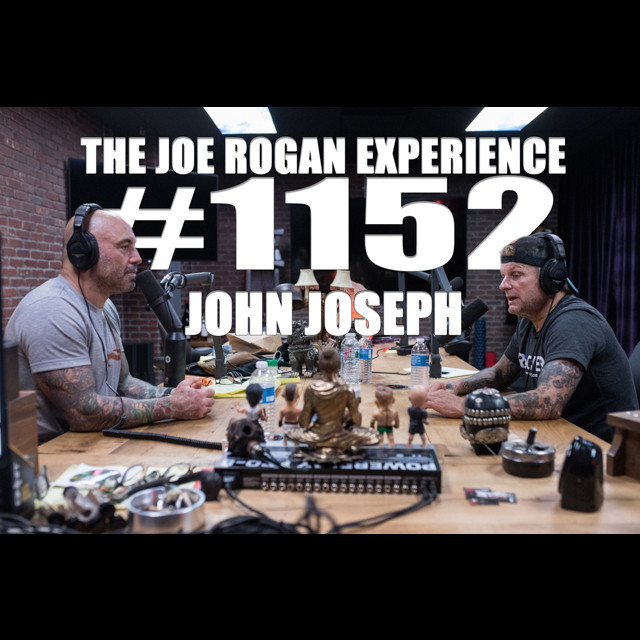
This Joe Rogan podcast features John Joseph, a musician, author, and triathlete best known for his work as the lead singer of the Cro-Mags in the 1980s. The conversation dives deep into John Joseph’s personal journey, exploring themes of overcoming adversity, finding purpose, and fostering compassion.
Major Topics and Underlying Themes
-
The Toxicity of Identity Politics:
- John Joseph criticizes the polarization caused by rigid identities, whether it be veganism, carnivore diets, political affiliations, or other group memberships.
- He highlights how these labels create artificial walls between people, leading to judgment, conflict, and hatred.
- He emphasizes the importance of transcending labels and focusing on common ground as human beings.
- Joseph’s own journey exemplifies this, as he moved away from rigid identities like “vegan” and embraced a more holistic approach to life based on spirituality, fitness, and compassion.
-
The Power of Positive Mental Attitude (PMA):
- John Joseph credits PMA as a crucial factor in his recovery from a difficult childhood and his success in life.
- He advocates for maintaining a positive outlook despite adversity, citing the influence of mentors like Napoleon Hill and his own experiences in the military and prison system.
- PMA, he argues, is essential for overcoming challenges and achieving goals.
- Joseph’s unwavering positivity and dedication to helping others serve as an inspiring example of the transformative power of PMA.
-
The Dangers of Social Media:
- John Joseph expresses concern about the negative impact of social media, particularly its tendency to amplify negativity and create a culture of attack.
- He highlights the anonymity and lack of accountability that fuel trolling and online bullying.
- He argues that social media can be used for good but warns against its potential for toxicity.
- He advocates for using social media platforms to spread positivity and promote meaningful dialogue.
-
Overcoming Childhood Trauma:
- John Joseph shares his harrowing experience of abuse in foster homes, revealing a deeply personal and impactful story.
- He credits Robert McKee’s story seminar as a turning point, helping him process and address his trauma through writing.
- He encourages others who have faced similar experiences to find their voice and share their stories.
- His journey demonstrates the resilience and strength required to overcome adversity and find healing.
-
The Influence of the Bad Brains:
- John Joseph recounts his encounter with the iconic punk band Bad Brains, highlighting their influence on his spiritual and dietary choices.
- He describes being introduced to Rastafarian culture and its emphasis on plant-based diets and natural living.
- He credits the band’s manager, HR, for introducing him to the concept of PMA.
- The Bad Brains’ music and philosophy served as a catalyst for Joseph’s personal transformation.
-
The Transformative Power of the Hare Krishna Movement:
- John Joseph details his journey into the Hare Krishna movement, driven by his search for spiritual enlightenment and a path to peace.
- He emphasizes the principles of non-violence, vegetarianism, and self-discipline as core aspects of Hare Krishna practice.
- He describes his time as a bramachari monk, engaging in intense training and meditation.
- The Hare Krishna movement offered him a profound sense of purpose and helped him to heal from his past traumas.
-
The Importance of Holistic Health:
- John Joseph advocates for a holistic approach to health, encompassing diet, exercise, meditation, and spirituality.
- He criticizes the narrow focus of many diet ideologies, including the carnivore diet and veganism.
- He emphasizes the importance of nutrient-dense foods, organic farming practices, and mindful living.
- He believes that a healthy lifestyle is essential for both physical and mental well-being.
-
The Corruption of the Food System:
- John Joseph exposes the dark side of the food system, from factory farming and pesticide use to the influence of corporations on government regulations.
- He discusses the detrimental effects of genetically modified foods and the widespread use of glyphosate.
- He highlights the connection between the pharmaceutical industry and the food industry, arguing that many health problems are created by unhealthy diets and lifestyles.
- He emphasizes the need for transparency and accountability in the food system.
-
The Prison Industrial Complex and the Need for Reform:
- John Joseph criticizes the prison industrial complex in America, highlighting its exploitative practices and the lack of rehabilitation opportunities.
- He shares the stories of individuals who have spent decades in prison, emphasizing the human cost of incarceration.
- He advocates for a more humane and restorative justice system, emphasizing education and rehabilitation over punishment.
- He highlights the need for a shift in perspective, seeing incarcerated individuals as human beings with the potential for redemption.
-
The CIA’s Involvement in the Drug Trade:
- John Joseph delves into the controversial history of the CIA’s involvement in the drug trade, citing declassified documents and eyewitness accounts.
- He connects this to the rise of the prison industrial complex, arguing that the government’s actions have fueled drug addiction and mass incarceration.
- He highlights the hypocrisy of politicians who advocate for stricter drug laws while profiting from the system.
- He underscores the complex and often hidden history of government manipulation and corruption.
-
The Need for a More Just and Equitable Society:
- John Joseph critiques the current political system, arguing that the electoral college and the influence of money are undemocratic and unfair.
- He proposes a council of wise and experienced individuals to guide decision-making, replacing the current system of partisan politics.
- He advocates for a society based on fairness, ethics, and shared values, emphasizing the importance of education and community.
- He believes that a more just and equitable society is possible, but it requires a collective effort and a willingness to challenge the status quo.
-
The Power of Role Models:
- John Joseph emphasizes the importance of positive role models, highlighting the impact of individuals like HR from the Bad Brains and Prabhavathi, a Hare Krishna leader.
- He believes that individuals who live by example, embody their values, and inspire others are crucial for positive societal change.
- He stresses the power of emulation, encouraging listeners to find role models who embody the qualities they admire and aspire to.
- He sees himself as a role model, hoping to inspire others to overcome adversity, embrace a healthy lifestyle, and strive for personal growth.
-
The Importance of Mindfulness and Conversation:
- John Joseph highlights the importance of mindfulness and conscious communication, arguing that both are essential for positive interaction and societal harmony.
- He critiques the superficiality and negativity of online communication, advocating for more meaningful conversations.
- He emphasizes the need for empathy, compassion, and respect in all interactions.
- He encourages listeners to be mindful of their own words and actions, recognizing the impact they have on others.
-
The Importance of Urban Farming and Community Gardening:
- John Joseph believes that urban farming and community gardens can play a vital role in addressing food insecurity and fostering community.
- He emphasizes the benefits of growing your own food, reducing reliance on the industrial food system, and connecting with the natural world.
- He discusses the challenges of urban organic farming, highlighting the need for support from local governments and communities.
- He envisions a future where communities prioritize food production and create a more sustainable and equitable food system.
-
The Importance of Physical and Mental Recovery:
- John Joseph emphasizes the importance of recovery for athletes and individuals who lead demanding lifestyles.
- He discusses the benefits of various recovery techniques, including yoga, stretching, cold therapy, and microcurrent stimulation.
- He highlights the importance of prioritizing rest and rejuvenation for optimal performance and overall health.
- He shares his own experience with recovery techniques, advocating for a holistic approach that addresses both physical and mental needs.
5 Memorable Quotes
- “Even if we’re just joking around, people get so fucking angry and it’s not necessary. Absolutely. I mean, where’s the humor? Where’s the comedy?” – John Joseph highlights the unnecessary tension and lack of humor often found in debates about veganism.
- “I’m more of a Harry Krishna, a bock to yoga person than I am a vegan. You know, even though I don’t wear animal products, I don’t use animal products, I eat a plant based diet a hundred percent.” – Joseph emphasizes that he doesn’t define himself solely by his diet, and his spirituality is a more central aspect of his identity.
- “I really try to keep it metaphysical with everything I do and who I help. I mean, I’m working on a documentary right now here at 30 of life with hardcore fucking ex cons. If I go in there trying to preach some some vegan shit to them, I’m I’m coming at him, like, a fucking like, yo, dude, this is where I’ve been. I I’ve been where you are.” – Joseph highlights his emphasis on a spiritual approach to helping others and avoids imposing his own beliefs.
- “There’s 2 types of mentality in the world. There’s the be meant taugherty that’s looking for the sweet and the good in people and then there’s the flies and they’re looking for the shit.” – Joseph describes his own outlook as being optimistic and focused on finding good in others, contrasting with those who dwell on negativity and faultfinding.
- “It ain’t what the fuck you say. It’s what you do. It’s about your action and your words and how you interact with other people and how you see other people.” – Joseph emphasizes that actions speak louder than words, and genuine compassion is paramount to creating positive change in the world.
“`