7-Aug-18
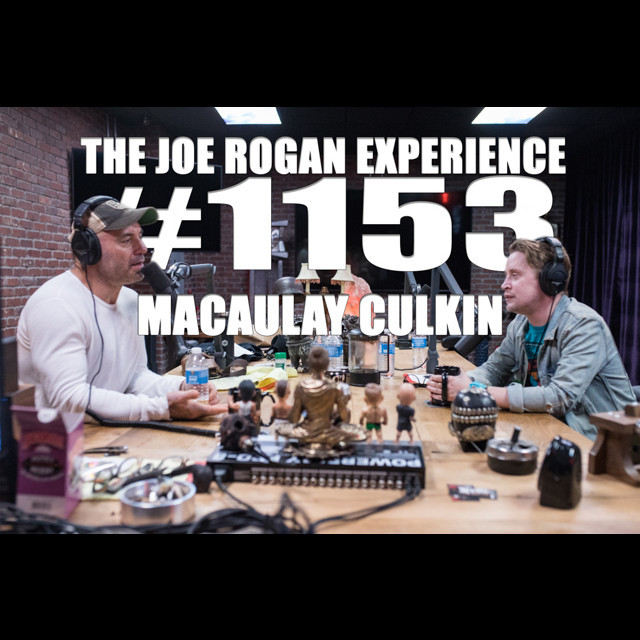
This podcast dives into the unique experiences of Macaulay Culkin, exploring the challenges of child stardom and his current life perspective. Provocative topics include child labor laws, mental health, personal relationships, and humorous observations on fame and societal norms. Underlying themes revolve around the adaptability of the human mind, the pursuit of personal fulfillment, and the complexities of navigating fame and normalcy.
Podcast Topics
1. The Challenges of Child Stardom
- Culkin discusses the unusual nature of growing up famous, lacking a typical childhood experience.
- He reflects on the constant center of attention and the pressure of being a child star.
- Culkin touches on the lack of typical child labor laws in the acting industry, highlighting the unique challenges of working as a child.
- He reveals that he didn’t choose his projects and largely followed his parents’ guidance, highlighting the power dynamics involved in child acting.
2. Adaptability and Perspective
- Culkin emphasizes the human mind’s incredible ability to adapt to challenging and unusual circumstances, especially during childhood.
- He acknowledges the unusual nature of his upbringing, gained through life experience and perspective.
- Culkin highlights the importance of perspective in understanding the unique aspects of his life compared to others.
- He connects his strong memory and charisma to his ability to thrive in the acting world at a young age, showcasing the impact of innate traits.
3. Mental Health and Ulcers
- Culkin opens up about his recent diagnosis of ulcers, attributing it to a combination of lifestyle factors and stress.
- He discusses the impact of ulcers on his daily life, including dietary changes and medication.
- Culkin explores the connection between stress and ulcers, revealing his experience with launching a new company.
- He discusses the link between gut bacteria and ulcers, highlighting the importance of gut health and recent scientific discoveries.
4. Relationships and Family
- Culkin speaks about his current relationship with his partner, emphasizing the importance of family and companionship.
- He shares his plans to have children, highlighting the desire for traditional family life.
- Culkin describes his relationship with his partner’s family, revealing a warm and accepting environment.
- He discusses the dynamics of his multi-species family, including his dog and cat, showcasing his appreciation for animal companionship.
5. Humor and Societal Norms
- Culkin embraces humor, particularly self-deprecating humor, acknowledging the stereotypes associated with his fame and appearance.
- He uses humor to discuss his cultural background and relationships, reflecting on the complexities of cultural identity.
- Culkin challenges traditional masculinity norms, revealing his comfort with activities typically associated with femininity, such as wearing nail polish and purses.
- He embraces a lighthearted approach to life, demonstrating a sense of playfulness and unconventionality in his lifestyle choices.
6. Current Projects: BunnyEars.com and Podcast
- Culkin describes his comedic website, BunnyEars.com, as a blend of Goop and The Onion, satirizing lifestyle and celebrity culture.
- He explains the concept behind the website, highlighting its unique approach to humor and satire.
- Culkin emphasizes the high quality of the writing on BunnyEars.com, showcasing his dedication to the project.
- He also mentions his podcast, Bunny Ears Pod, as part of the website’s multimedia content, demonstrating a commitment to diverse forms of creative expression.
7. Financial Security and Life Choices
- Culkin acknowledges his financial security from his past acting career, indicating a comfortable and independent lifestyle.
- He describes his current approach to life as one of leisure and freedom, allowing him to pursue his interests and passions.
- Culkin emphasizes his ability to live a life based on his circumstances and choices, showcasing a sense of agency and contentment.
- He reflects on the benefits of his financial security, allowing him to travel and explore his interests without constraints.
8. The Allure of Paris
- Culkin speaks about his experience living in Paris, highlighting the city’s unique charm and lifestyle.
- He describes the city’s food, wine, and leisurely pace as key factors that drew him to it.
- Culkin shares a humorous anecdote about his spontaneous decision to move to Paris, showcasing his ability to embrace new experiences.
- He acknowledges the cultural differences between Paris and the United States, particularly in terms of food, time management, and social norms.
9. Cultural Diversity and Immigration
- Culkin discusses the diverse cultural landscape of Paris, highlighting its multicultural character and ethnic mix.
- He contrasts the ethnic diversity of Paris with cities like Oslo and Berlin, emphasizing the city’s unique makeup.
- Culkin acknowledges the challenges of securing a large city like Paris due to its landlocked location and open borders.
- He addresses the common misconception about Paris being a dangerous city, emphasizing that it’s more diverse than many other European cities.
10. The Jewish Community in Brooklyn
- Culkin shares observations about the tight-knit Jewish community in Brooklyn, highlighting its unique cultural practices and values.
- He describes the community’s distinct dress and appearance, showcasing its internal cohesion and cultural identity.
- Culkin touches on the community’s strong sense of tradition and adherence to religious practices.
- He acknowledges the large size and influence of the Jewish community in Brooklyn, demonstrating its cultural significance.
11. The Size and Diversity of Brooklyn
- Culkin expresses surprise at the sheer size and diversity of Brooklyn, highlighting its growth and evolving character.
- He describes the influx of residents from Manhattan to Brooklyn, driven by affordability and lifestyle changes.
- Culkin notes the limited space in Manhattan and the increasing pressure to relocate to other boroughs, revealing the evolving urban landscape.
- He discusses the appeal of Brooklyn’s cultural offerings and its growing popularity, contrasting it with the more established and expensive Manhattan.
12. The Differences Between New York and LA
- Culkin contrasts the lifestyles of New York City and Los Angeles, highlighting the differences in pace, social norms, and weather.
- He describes Los Angeles as a more laid-back and leisurely city, attributing it to the car-centric culture and lack of distinct seasons.
- Culkin acknowledges the potential for Los Angeles to soften one’s perspective and lifestyle, offering a contrasting perspective to New York’s intensity.
- He notes the harsh climate of New York City, particularly the humid summers, contrasting it with the more temperate weather of Los Angeles.
13. The Comedy Scene in New York City
- Culkin discusses the thriving comedy scene in New York City, recognizing the numerous clubs and opportunities for stand-up comedians.
- He highlights the concentration of comedy clubs on the island of Manhattan, emphasizing the city’s status as a hub for comedic talent.
- Culkin reveals a conversation with a friend who opened a comedy club in New York City, highlighting the competitive nature of the industry.
- He acknowledges the limited number of comedy clubs in Manhattan, despite its reputation as a mecca for entertainment, showcasing the need for a focused search for opportunities.
14. Billiard Halls and Bygone Eras
- Culkin discusses the decline of billiard halls in Manhattan, reflecting on the changing leisure activities of men.
- He connects the popularity of billiard halls to a time before video games, highlighting a nostalgic era of social gathering and entertainment.
- Culkin acknowledges the historical significance of billiard halls as a social hub for men, emphasizing their role in shaping cultural norms.
- He speculates on the potential for a resurgence of forgotten games like croquet and badminton, showcasing a playful and nostalgic outlook on leisure activities.
15. Mannequin Hoarding and Collecting
- Culkin reveals his unique hobby of collecting mannequins, showcasing a playful and unconventional side to his personality.
- He describes the process of acquiring mannequins from a closing store, highlighting his entrepreneurial spirit and negotiation skills.
- Culkin expresses uncertainty about the future use of his mannequin collection, showcasing a whimsical and open-ended approach to collecting.
- He humorously suggests that mannequins could be a profitable investment, showcasing his playful perspective on unusual interests.
16. The Greasiness of the Boxing World
- Culkin describes the boxing world as inherently greasy, highlighting the business aspects and behind-the-scenes dynamics.
- He discusses the controversial draw between Lennox Lewis and Evander Holyfield, highlighting the potential for manipulation in the sport.
- Culkin expresses his opinion on the controversial height of Lennox Lewis’s belt, showcasing his critical eye for boxing details and fairness.
- He reveals his interest in current boxing matches, particularly Deontay Wilder vs. Anthony Joshua and Tyson Fury’s potential impact on the heavyweight division.
17. The Conor McGregor vs. Floyd Mayweather Fight
- Culkin discusses the highly anticipated fight between Conor McGregor and Floyd Mayweather, acknowledging McGregor’s surprising performance.
- He analyzes Mayweather’s strategy of wearing McGregor out and the ref’s leniency towards Mayweather’s illegal punches.
- Culkin reflects on the high odds against McGregor’s win and his near-decision to place a bet, highlighting the excitement and unpredictability of sports betting.
- He shares his experiences with prop bets and the potential for gambling addiction, showcasing the allure and risks associated with wagering.
18. The Foxcatcher Institute and Wrestling
- Culkin discusses the infamous Foxcatcher Institute and the controversial figure of John du Pont, emphasizing the dark side of the wrestling world.
- He highlights the film “Foxcatcher” starring Steve Carell and its accurate portrayal of du Pont’s eccentric personality and actions.
- Culkin acknowledges the limited opportunities for professional wrestlers outside of fighting, highlighting the challenges faced by athletes in the sport.
- He discusses the intense physical and emotional intimacy involved in wrestling, showcasing the unique dynamics of the sport.
19. The Rise of MMA and John McCain’s Opposition
- Culkin traces the rise of Mixed Martial Arts (MMA), highlighting its initial resistance from figures like John McCain.
- He connects John McCain’s opposition to MMA to Budweiser’s sponsorship of boxing, suggesting a business-driven motive for resisting the sport’s growth.
- Culkin discusses the evolution of MMA from a “blood sport” to a respected athletic discipline, showcasing the sport’s growing legitimacy.
- He shares his experiences attending MMA events, highlighting the excitement and energy of live sporting events.
20. The Legacy of Stanley Kubrick
- Culkin discusses the legendary filmmaker Stanley Kubrick, highlighting his unique style and influence on the film industry.
- He discusses Kubrick’s preference for shooting in London and the existence of an archive dedicated to his work, showcasing the filmmaker’s legacy.
- Culkin shares his own experience working with Kubrick on “Eyes Wide Shut,” revealing the director’s demanding and meticulous approach.
- He acknowledges Kubrick’s genius and his lasting impact on cinema, highlighting his contribution to the art form.
Memorable Quotes
- “My life is unique to me. That’s what I like to say.” – Culkin embraces the singular nature of his experiences, emphasizing his individual perspective.
- “It’s weird that child labor laws don’t apply to acting.” – Culkin highlights the unique challenges faced by child actors within the industry.
- “I’m almost like a peerless person. Like, to a certain extent, there’s not too many people I can look left and right and say, ‘We have similar experiences.'” – Culkin acknowledges the distinct nature of his experiences as a child star.
- “I’m very, very, very lucky. Lots of weird things happen to kids all the time all around the world every day. You know, I I have something to show for it.” – Culkin reflects on the positive aspects of his career and his sense of gratitude.
- “I’m a man of leisure.” – Culkin embraces his current lifestyle, characterized by freedom and the pursuit of personal fulfillment.