23-Aug-18
“`html
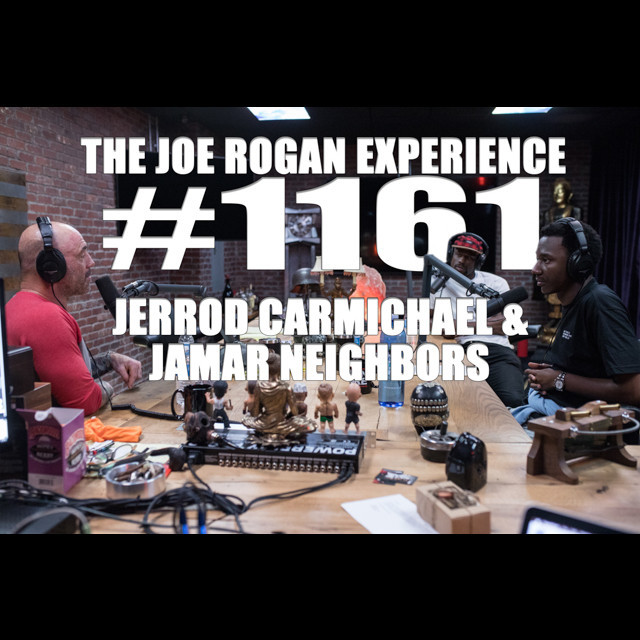
Joe Rogan Podcast: #1161 – Jerrod Carmichael & Jamar Neighbors
This episode of the Joe Rogan Experience features stand-up comedians Jerrod Carmichael and Jamar Neighbors, offering a humorous and insightful exploration of the comedy scene, personal experiences, and even a dive into conspiracy theories.
Major Topics:
-
The Comedy Store: A Mecca for Comedians
- The Comedy Store’s history as a breeding ground for comedic talent.
- The different rooms within the store (The Belly Room, The Main Room, The OR) and the distinct energy and comedic styles they foster.
- The importance of late-night sets and the raw, experimental nature of comedy in those spaces.
- The store’s influence on comedians’ development, pushing them to refine their craft in a competitive and supportive environment.
-
Richard Pryor: A Legacy of Honesty and Innovation
- Richard Pryor’s unique ability to be totally honest and explore ideas on stage without a pre-determined structure.
- The evolution of Pryor’s comedic style, from his early, experimental days to his iconic specials.
- The enduring impact of Pryor’s work, particularly his ability to connect with audiences on a personal and emotional level.
- Anecdotes about witnessing Pryor’s stand-up in his later years, highlighting his dedication to the craft even while facing health challenges.
-
Stand-Up Comedy: A Constant Evolution
- The challenges of stand-up in a world saturated with content and the importance of finding a unique voice within a competitive landscape.
- The pressure to be memorable in the context of a marathon show, where audiences have seen multiple comedians before you.
- The impact of the “comparison culture” prevalent in comedy and the need for comedians to be themselves, or their characters, authentically.
- The value of experimentation, whether on late-night shows or in the back rooms of comedy clubs, to push boundaries and discover new comedic styles.
-
The Role of Late-Night Shows in Comedy
- The evolving role of late-night shows in comedy, from a vital platform for exposure to a less impactful format in the age of streaming services.
- The limitations of the “5-minute” format, which often forces comedians to present a condensed and homogenized version of their act.
- The importance of maintaining artistic integrity and rejecting pressure to conform to the expectations of late-night show producers.
- The potential for comedians to reclaim control and perform more authentically on late-night shows by embracing their unique comedic voice.
-
Mental Health and the Comedy World
- The prevalence of depression in the comedy world, and its potential causes, ranging from performance anxiety to general societal pressures.
- The role of exercise, meditation, and mindfulness in managing mental health challenges, particularly in high-stress professions like stand-up comedy.
- The importance of recognizing the difference between everyday sadness and clinical depression, and seeking help when needed.
- The impact of unaddressed mental health issues on comedians’ creative process and the importance of prioritizing self-care.
-
The Rise of Social Justice and the Comedy World
- The changing comedic landscape and the increasing sensitivity to social justice issues, leading to a rise in “outrage culture” and a blurring of the lines between serious issues and “creative outrage.”
- The impact of the “cancel culture” on comedians’ fear of trying out jokes and pushing boundaries, and the potential for creative expression to be stifled.
- The importance of recognizing the difference between genuine outrage and “recreational outrage” and the need for nuanced conversations about social justice issues.
- The challenges of navigating a world where every word and action can be scrutinized, especially for those in the public eye.
-
The Moon Landing: A Conspiracy Theory That Endures
- The enduring fascination with the moon landing conspiracy theory, rooted in skepticism about American technology and the government’s motives.
- The specific elements of the moon landing that fuel the conspiracy theory, including questionable video footage, ambiguous press conferences, and missing telemetry data.
- The emotional appeal of the conspiracy theory, particularly for those who feel disillusioned with authority and crave alternative narratives.
- The importance of critical thinking and separating factual evidence from speculative theories, even in the face of seemingly compelling arguments.
-
The Kennedy Assassination: A Moment in History Forever Engraved
- The enduring mystery surrounding the Kennedy assassination, fueled by inconsistencies in evidence and the pervasive belief in a larger conspiracy.
- The significance of the Zapruder film, a single piece of footage that changed the narrative and ignited a wave of speculation.
- The enduring fascination with the event, reflected in countless books, documentaries, and conspiracy theories, highlighting the desire to understand a pivotal moment in American history.
- The ongoing debate about the truth behind the assassination, highlighting the limitations of our ability to know for sure what happened and the enduring power of speculation.
-
The Importance of Authenticity in Stand-Up Comedy
- The crucial role of authenticity in stand-up comedy, emphasizing the need for comedians to express their unique voice and perspective.
- The dangers of trying to fit into a pre-defined mold or conforming to industry expectations, which can stifle creativity and authenticity.
- The importance of embracing one’s own style and perspective, regardless of the prevailing trends or pressures in the comedy world.
- The freedom that comes from pursuing one’s own path and being true to oneself, ultimately leading to a more fulfilling and impactful comedic career.
-
The Future of Stand-Up Comedy
- The evolving nature of stand-up comedy and the potential for a major overhaul in its presentation and audience expectations.
- The need for a fresh perspective and a rejection of the “preaching” style that often dominates the stand-up scene, emphasizing the importance of unique articulation and genuine storytelling.
- The potential for stand-up comedy to reclaim its artistic integrity and move beyond the “bubble” of immediate rewards and “outrage culture.”
- The importance of supporting and discovering new and innovative comedic voices that offer fresh perspectives and challenge the status quo.
Memorable Quotes:
- “Holzman said some of the darkest shit I’ve ever seen anybody say on stage.” – Jamar Neighbors on the comedic style of Brian Holzman, known for his provocative and often controversial material.
- “It forces you to be you, specifically you, that’s needed more than ever before.” – Jerrod Carmichael on the necessity for stand-up comedians to find their own unique voice in a crowded landscape.
- “The sadness is those late night because you’re, like, you’re looking at your watch. Like, why am I not at home? Why am I not asleep?” – Carmichael on the sense of melancholy that can set in during late-night comedy sets.
- “That’s why I’m just wondering how we’re, and I I can’t believe it’s not as easy as, Man, get over that shit. My I can’t believe it’s not, but it’s not.” – Carmichael on the complexities of mental health and the inability to simply “get over” depression.
- “Those are the only trips they did. Seven attempts, six of them successful. Apollo 13 was the one that wasn’t successful. That was that big movie. They landed on the moon and then came back seven times. 262,000 miles away.” – Carmichael on the moon landing, highlighting the sheer distance traveled and the magnitude of the feat, even if the validity is questioned.
“`