27-Sep-18
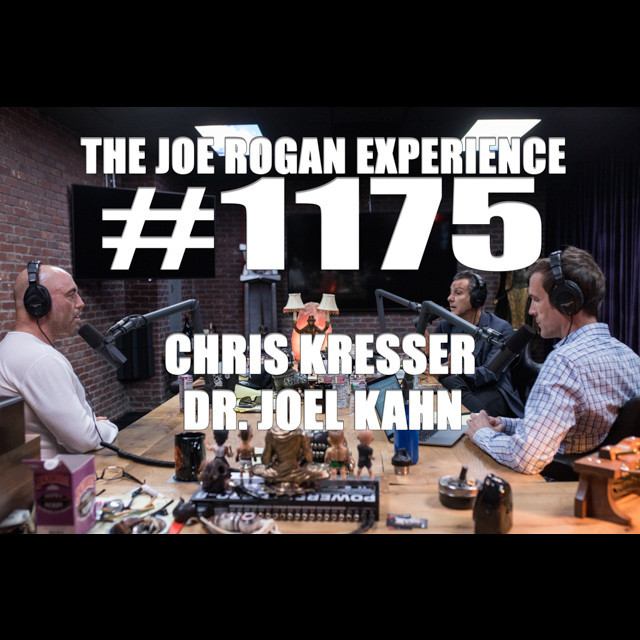
This podcast brings together two leading voices in health and nutrition: Chris Kresser, a proponent of ancestral health and functional medicine, and Dr. Joel Kahn, a cardiologist who advocates for plant-based nutrition. The conversation, while respectful, dives into contentious territory, tackling the effectiveness of different dietary approaches and the role of saturated fat in cardiovascular health.
While both Chris and Joel emphasize the importance of individualized approaches and the complex interplay of factors influencing health, a central theme emerges: the limitations of observational studies and the need for rigorous randomized controlled trials to truly understand the impact of diet on disease.
Provocative topics include the validity of epidemiological studies, the controversy surrounding saturated fat, the role of the microbiome, and the potential downsides of the carnivore diet.
Major Topics:
1. The Limitations of Epidemiology and Observational Studies:
- Data Collection Issues: Observational studies often rely on food frequency questionnaires that rely on memory, which can be inaccurate and unreliable, especially when it comes to long-term dietary recall.
- Healthy User Bias: People who choose a particular diet (e.g., red meat or vegan) may also be more likely to engage in other healthy behaviors, confounding the results and making it difficult to isolate the effect of the diet itself.
- Low Relative Risks: The relative risks associated with dietary changes in observational studies are often very small, making it difficult to distinguish them from chance. Chris argues that an 18% increase in cancer risk attributed to processed red meat is insignificant compared to the risks associated with smoking.
- The Importance of Randomized Controlled Trials: Both Chris and Joel agree that randomized controlled trials are the gold standard for evaluating dietary interventions. However, Chris criticizes the reliance on older observational studies when there is more robust, recent evidence available from controlled trials.
2. Saturated Fat and Cardiovascular Health:
- The Cholesterol Hypothesis: Dr. Kahn argues that a century of research, including biochemistry, epidemiology, and randomized controlled trials, supports the idea that saturated fat raises blood cholesterol levels, increasing the risk of heart disease and stroke. He points to the widespread consensus among international medical societies that saturated fat should be limited.
- Challenging the Consensus: Chris counters that recent meta-analyses of randomized controlled trials, including studies of low-carb diets high in saturated fat, have not found a clear relationship between saturated fat intake and heart disease. He highlights the inconsistencies between older observational studies and more recent controlled trials.
- Context Matters: Chris emphasizes the importance of dietary context, arguing that saturated fat from whole foods, such as avocados and olive oil, may not pose the same risks as saturated fat from processed foods.
- The Role of Individual Variability: Both Chris and Joel acknowledge that individuals respond differently to dietary changes, and the effects of saturated fat may vary based on genetics, microbiome, and other factors.
3. The Microbiome and TMAO:
- TMAO as a New Risk Factor: Dr. Kahn highlights trimethylamine-N-oxide (TMAO) as a recently discovered risk factor for atherosclerosis, heart disease, and kidney fibrosis. He argues that the consumption of red meat and egg yolks, rich in choline and carnitine, increases TMAO levels, promoting plaque buildup in arteries.
- The Gut Microbiome Connection: Chris and Joel agree that the gut microbiome plays a significant role in TMAO production. Chris suggests that a healthy gut microbiome, nurtured by a plant-rich diet, may mitigate the effects of red meat on TMAO levels.
- The Role of Fish: Chris notes that fish consumption, despite its potential benefits from omega-3 fatty acids, also elevates TMAO levels, but he argues that this may be a less significant concern than TMAO from red meat and egg yolks.
- Ongoing Research: The relationship between TMAO, diet, and cardiovascular health remains an active area of research, and Dr. Kahn believes it holds significant potential for developing new interventions.
4. The Carnivore Diet:
- A Growing Trend: Chris acknowledges the increasing popularity of the carnivore diet, where individuals consume only meat and animal products. He speculates that the diet’s benefits may stem from its resemblance to fasting, reducing gut inflammation and potentially benefiting those with gut dysbiosis.
- Nutrient Deficiencies: Chris and Joel raise concerns about the potential for nutrient deficiencies on the carnivore diet, particularly in the absence of supplementation. They highlight the lack of vitamin C, fiber, and certain micronutrients in a meat-only diet.
- Long-Term Risks: Both experts emphasize the lack of long-term data on the safety and efficacy of the carnivore diet, cautioning against drawing conclusions based on short-term anecdotal evidence. Chris points out the potential for negative impacts on various health markers, including testosterone levels.
- Individualized Approach: While acknowledging the potential benefits for some individuals, both agree that a carnivore diet is not a sustainable or universally suitable solution for most people.
5. The Importance of Nutrient Density and a Balanced Plate:
- Nutrient Density of Animal Foods: Chris highlights the high nutrient density of certain animal foods, particularly organ meats and shellfish. He suggests that these foods can provide essential nutrients like B12, zinc, iron, and choline, even in small amounts.
- The Importance of Plants: Both experts emphasize the importance of a plant-rich diet, acknowledging the abundance of antioxidants, fiber, and other beneficial compounds found in fruits, vegetables, and whole grains.
- A Spectrum of Approaches: Both Chris and Joel advocate for a flexible approach, encouraging individuals to find a dietary pattern that works best for them, incorporating a balance of plants and animal foods based on their individual needs and preferences.
- The Standard American Diet as the Enemy: Both agree that the standard American diet, characterized by highly processed foods, refined carbohydrates, and excessive calories, is detrimental to health and should be avoided.
Memorable Quotes:
- “We share a lot in common as human beings, but we have a lot of important differences too. And from the beginning, I’ve always argued that there’s no 1 size fits all approach when it comes to diet.” – Chris Kresser
- “There’s never been a randomized clinical trial smoking because that’d be unethical. You’re never gonna do it. It was epidemiology. That prove an association strong enough to recommend to the public don’t smoke. There’ll never be a randomized trial.” – Dr. Joel Kahn
- “The biggest problem with nutritional research epidemiology is that it starts with the assumption that there is 1 diet for everybody.” – Chris Kresser
- “The history of science is really the history of most scientists being wrong about most things most of the time.” – Chris Kresser
- “I don’t want to get lost in this because you you pause for a second. So what is your response, though, to all these studies that he was reciting? You’re citing these old studies that seem to contradict what he’s saying. But these new studies that he’s showing, and you could we can go over them again. But you didn’t address feel like I well, you did. Well, he didn’t say that. I’m saying that by name. I’ll tell you — No. The facts are the names, but what did — what why are the results so different in the new studies?” – Joe Rogan