2-Oct-18
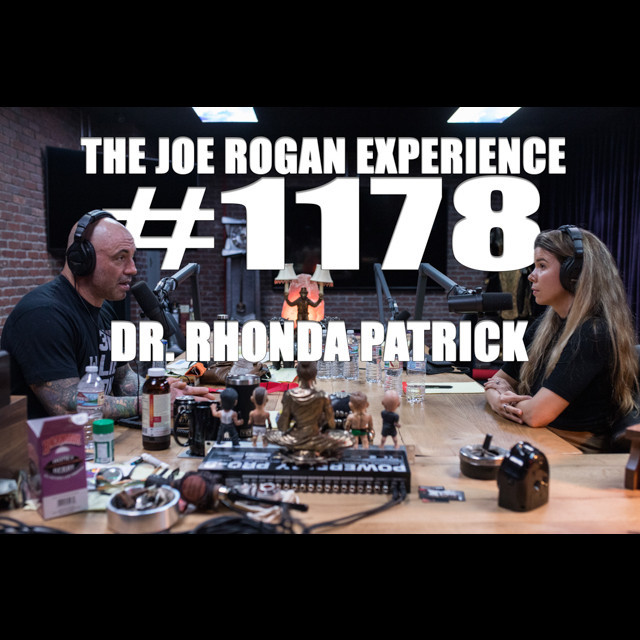
This Joe Rogan podcast dives into a wide array of topics with Dr. Rhonda Patrick, a Ph.D. in biomedical science and expert on nutritional health. From the controversial carnivore diet and the fascinating world of the microbiome to the impact of environmental toxins and the power of heat stress, the conversation reveals Dr. Patrick’s deep knowledge and thought-provoking insights. Underlying themes explore the complexities of human health, the importance of understanding mechanisms, and the need for a more nuanced approach to nutrition and wellness.
Major Topics Discussed:
- BPA and Endocrine Disruptors:
- Concerns about BPA in plastic bottles and the impact of heating plastics on leaching.
- Discussion of BPA alternatives and their potential negative effects on the endocrine system and reproduction.
- Emphasis on the potential for BPA to disrupt hormones, affecting insulin sensitivity and fertility.
- Dr. Patrick’s cautious approach to BPA exposure during pregnancy.
- The Carnivore Diet:
- Exploration of the carnivore diet, its recent popularity, and Dr. Patrick’s initial skepticism.
- Discussion of the potential dangers of a restrictive diet without long-term studies and published evidence.
- Examination of the potential mechanisms behind the observed benefits, including caloric restriction, microbiome changes, and food habituation.
- Dr. Patrick’s concerns about long-term health risks associated with eliminating plant-based foods.
- The Role of the Microbiome:
- Discussion of the microbiome’s connection to autoimmunity, including conditions like arthritis and multiple sclerosis.
- Exploration of the potential impact of the carnivore diet on the microbiome, specifically the growth of putrefactive bacteria.
- Highlighting the adaptive nature of bacteria and the rapid changes that occur in the gut microbiome in response to dietary shifts.
- Dr. Patrick’s emphasis on the importance of understanding the mechanisms of microbiome changes and the need for further research on long-term effects.
- Caloric Restriction and Fasting:
- Discussion of the well-established benefits of caloric restriction and fasting in improving autoimmune disease and promoting longevity.
- Exploration of the cellular mechanisms of fasting, including autophagy, apoptosis, and immune system rejuvenation.
- Highlighting the potential for fasting to selectively target and eliminate damaged cells, including cancer cells.
- Dr. Patrick’s suggestion that fasting could be a healthier and more studied alternative for achieving some of the benefits attributed to the carnivore diet.
- Micronutrient Deficiencies:
- Concerns about potential micronutrient deficiencies associated with the carnivore diet, particularly vitamin C, vitamin E, and folate.
- Discussion of the RDAs for these micronutrients and the potential for them to be too low for promoting optimal health and longevity.
- Dr. Patrick’s emphasis on the importance of considering the long-term effects of micronutrient deficiencies on various bodily functions.
- Discussion of the role of organ meats in providing some of the missing micronutrients but emphasizing the difficulty of obtaining a complete range of essential nutrients through this approach.
- The Placebo Effect:
- Examination of the placebo effect and its significant role in influencing health outcomes.
- Discussion of the genetic basis for the placebo effect, with certain genes affecting dopamine levels and influencing susceptibility to placebo responses.
- Highlighting the importance of considering the placebo effect when evaluating anecdotal evidence, particularly in the context of dietary interventions.
- Dr. Patrick’s point that the placebo effect can be a powerful force for positive change but should not be confused with actual scientific evidence.
- Fish Oil and DHA:
- Discussion of the benefits of fish oil, particularly the omega-3 fatty acid DHA, on brain health and cognitive function.
- Exploration of the role of DHA in amyloid clearance, tau tangle reduction, and glucose uptake in the brain.
- Highlighting the importance of DHA in phospholipid form for efficient transport across the blood-brain barrier, particularly for individuals with the APOE4 gene, which increases Alzheimer’s risk.
- Dr. Patrick’s recommendation for consuming salmon roe as a source of phospholipid DHA and her own high-dose fish oil supplementation regimen.
- Phytochemicals and Stress Response:
- Discussion of phytochemicals, plant compounds that activate stress response pathways in humans, offering potential health benefits.
- Focus on sulforaphane, found in cruciferous vegetables like broccoli sprouts, and its role in detoxification, antioxidant production, and reducing DNA damage.
- Dr. Patrick’s critique of the carnivore diet’s emphasis on the negative effects of phytochemicals, pointing to extensive research on their benefits.
- Highlighting the important role of phytochemicals in activating stress response pathways, alongside exercise and fasting, for optimal health and longevity.
- Heat Stress and Health Benefits:
- Exploration of the benefits of heat stress from saunas, hot yoga, and hot baths.
- Discussion of research showing heat stress’s positive effects on cardiovascular health, neurodegenerative diseases, depression, and inflammation.
- Emphasis on the importance of heat stress in stimulating the production of IL-6, an inflammatory cytokine that triggers a powerful anti-inflammatory response.
- Dr. Patrick’s recommendation for utilizing heat stress as a tool for improving mood, reducing stress, and promoting overall well-being.
- The Sensory Deprivation Tank:
- Discussion of the sensory deprivation tank (float tank) and its potential benefits for consciousness exploration, relaxation, and cognitive function.
- Dr. Patrick’s personal experience with the tank and its ability to promote deep relaxation, clear mental clutter, and enhance introspection.
- Exploration of the potential therapeutic value of the tank for sensory gating disorders and its ability to reduce distractions, allowing for greater mental focus.
- Dr. Patrick’s recommendation for using the float tank as a tool for meditation, creativity, and problem-solving.
- The Importance of a Nuanced Approach:
- Dr. Patrick’s strong emphasis on the importance of understanding the mechanisms behind observed health benefits.
- Her critique of the simplistic, often dogmatic approach to diet and wellness that often ignores complex biological interactions.
- Highlighting the need for a more nuanced and scientific approach to nutrition and health, considering the multitude of factors that contribute to well-being.
- Dr. Patrick’s encouragement for listeners to engage in critical thinking and avoid adopting rigid ideologies.
- Motherhood and the Biological Shift:
- Dr. Patrick’s personal experience with motherhood and the profound shift in her priorities and perspective.
- Discussion of the biological changes that occur in women during pregnancy, including hormonal fluctuations and physical transformations.
- Dr. Patrick’s emphasis on the challenging and rewarding nature of motherhood, acknowledging the immense work and dedication involved.
- Highlighting the importance of creating an enriched environment for children and providing them with optimal nutrition and development.
5 Memorable Quotes:
- “You know, the shit’s complicated. Yeah. You gotta understand the mechanism.”
- “It’s like, I’m trying to hold water in my fingers. It’s like, I got it. I’ve got some water. It’s not fucking dripping down my wrists. It’s so hard. It’s so hard to get a real understanding of this stuff.”
- “It’s this is an ideology that’s akin to veganism. It’s really it’s a it’s just another side of the same mindset. It’s almost like a religious mindset.”
- “I feel like I have more brain available to access. I feel like if you were trying to say something that was very, very complicated and you were trying to explain something that required a lot of the resource of your brain. If there’s a lot of noise around you, you wouldn’t be able to do it. But if there’s a lot of noise and, like, you wanna eat? Let’s go eat.”
- “I think his his great contribution is not just understanding the sentient nature of dolphins and how incredibly complex their language is and how smart they are, but also the sensory deprivation tank. Which I I think is it’s 1 of the most underutilized tools for consciousness, for exploring consciousness, and just for relaxation and for me, for examining ideas.”