11-Oct-18
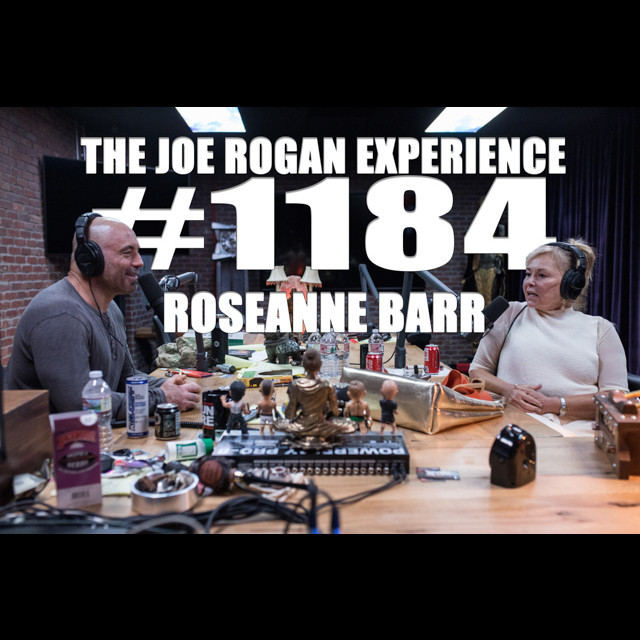
This podcast features a conversation between Joe Rogan and comedian Roseanne Barr, exploring her controversial past, mental health struggles, and perspectives on social issues. Provocative topics include the fallout from her racist tweet, her support for Donald Trump, and her criticisms of “outrage culture.” Underlying themes delve into the complexities of mental health, the power of social media, and the need for open dialogue in a polarized society.
Roseanne Barr’s Twitter Controversy
- Barr acknowledges the viral nature of her tweet, which sparked outrage and led to the cancellation of her show, “Roseanne.”
- She insists that the tweet was politically motivated and not racially driven, referencing the Iran nuclear deal and her opposition to Valerie Jarrett’s actions.
- Barr criticizes the lack of nuance and understanding in the public’s response, highlighting her mental health struggles and her use of Ambien at the time.
- She expresses frustration at the lack of forgiveness and the relentless pursuit of punishment in the wake of her tweet.
Mental Health and Impulsivity
- Barr candidly discusses her past mental health issues, including a traumatic brain injury sustained in a car accident at age 15 and subsequent hospitalization in a mental institution.
- She attributes her impulsive behavior to the lasting effects of the accident, highlighting her struggles with memory, decision-making, and addictive tendencies.
- Barr emphasizes the importance of acknowledging and addressing mental health issues, arguing that individuals should not be judged solely based on their actions, especially when influenced by mental health conditions.
- She highlights the challenges of navigating mental health within the public eye, particularly when facing criticism and judgment.
Support for Donald Trump
- Barr expresses her support for Donald Trump, explaining her disillusionment with the Democratic Party and her desire for a government that serves the interests of the American people.
- She criticizes the “social justice warriors” she worked with on “Roseanne,” who she felt were judgmental and patronizing towards her political views.
- Barr discusses the challenges of being a Trump supporter in Hollywood, where she believes a “ruthlessly left” ideology prevails.
- She highlights the importance of political independence and the need for open dialogue and understanding across political divides.
The Power of Social Media
- Barr criticizes the “outrage culture” she believes permeates social media, where individuals are readily targeted and condemned without proper context or understanding.
- She suggests that social media platforms like Twitter are designed to manufacture consent and dissent, encouraging conflict and tribalism.
- Barr believes that social media magnifies the worst aspects of humanity, hindering genuine communication and human connection.
- She argues that the power wielded by social media can have a devastating impact on individuals, particularly when used for the purpose of public shaming and cancellation.
The “Roseanne” Relaunch and Cancellation
- Barr discusses the circumstances surrounding the relaunch of “Roseanne” and the subsequent cancellation due to her controversial tweet.
- She expresses her disappointment at the lack of support from her cast and crew, who she believes succumbed to the pressure of social media and public opinion.
- Barr reveals that she was denied the opportunity to apologize publicly and defend her tweet, highlighting the lack of redemption in the current cultural climate.
- She believes the show’s success and her political stance played a role in its cancellation, suggesting that the “outrage culture” is driven by political agendas and a desire to silence dissenting voices.
Mental Health and the Media
- Barr contends that the media’s portrayal of her mental health issues and her use of Ambien contributed to the negative public perception of her actions.
- She points out the double standards that exist in the media, where celebrities often escape consequences for similar missteps, particularly when supported by their networks.
- Barr calls for greater empathy and understanding when dealing with mental health issues, highlighting the importance of context and the potential for redemption.
- She argues that the media often sensationalizes mental health issues, contributing to stigma and discrimination.
Moving Forward
- Barr expresses a desire to return to stand-up comedy, focusing on themes of raising functional sons and challenging societal expectations.
- She hopes to create a space for open dialogue and understanding, acknowledging the complexities of human behavior and the need for forgiveness.
- Barr emphasizes the importance of maintaining a sense of autonomy and self-worth, particularly in the face of public scrutiny and criticism.
- She believes that her experiences can serve as a cautionary tale about the dangers of social media, the importance of mental health, and the need for greater empathy and compassion in a polarized world.
5 Memorable Quotes:
- “This whole thing has been completely fucking insane. And you caught it. Yeah. And I I have to tell you, but you caught this madness is outrage culture right at the peak. I think you you hit peak outrage culture.”
- “People didn’t give a fuck if you were making a joke. Didn’t give a fuck if you had no idea that that lady was black. Didn’t give a fuck what your mental state was, didn’t give a fuck if you were on ambien, didn’t give a fuck if you were drinking, didn’t give a fuck if you were 1 thing I learned, paused. Oh, go ahead. I do wanna talk to him. Seriously. Big that. But they didn’t care that you you sincerely apologized and did not didn’t mean to offend.”
- “It’s like, look at this look what they’re saying it meant. And, you know, I’m not gonna bow down before them and say you were right and they want me to. But they weren’t right. I’m right. I wrote it, bitch. Bitch. So I know what I meant. So you don’t fucking get to tell me what I meant.”
- “It’s 1 of the reasons why I love you. Well, you know, they try to outlaw comedy. That’s what I think.”
- “I just wanna say I wish everybody the best, you know. I I wish well for everyone on Earth. That’s all I’m gonna say.”