12-Nov-18
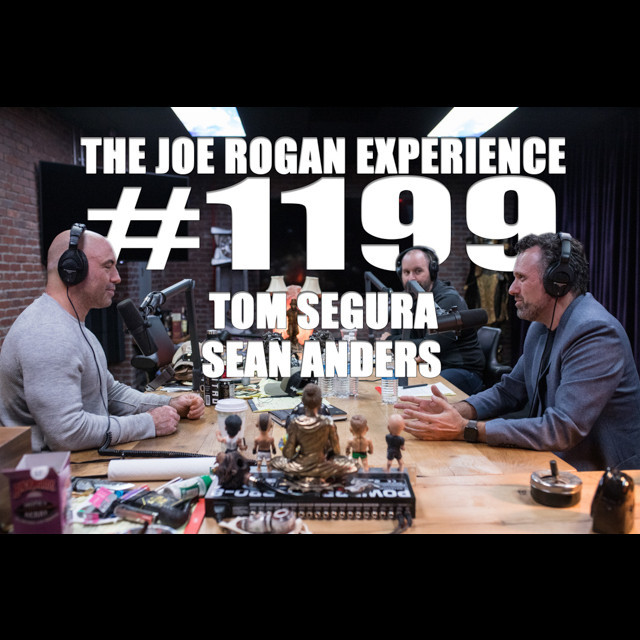
Joe Rogan Podcast #1199 – Tom Segura & Sean Anders
This podcast features a lively conversation between Joe Rogan, comedian Tom Segura, and writer/director Sean Anders, focusing on their experiences in the entertainment industry, adopting a family, and navigating the complexities of media and public perception. Provocative topics include the impact of movie marketing, the realities of adopting children, and the dangers of head trauma in sports. Underlying themes explore the importance of authentic connection, the evolution of family dynamics, and the power of vulnerability in the face of public scrutiny.
Major Topics and 4-Point Summaries
- Sean Anders’ Movie “Instant Family” and the Reality of Adopting:
- Anders and his wife’s decision to adopt three siblings, aged 6, 3, and 18 months, stems from a lighthearted suggestion that evolved into a life-altering journey.
- The initial period proved to be a “nightmare,” challenging their expectations and highlighting the complexities of integrating children into a new family structure.
- The film portrays the adoption process through a comedic lens, aiming to humanize and demystify a topic that often evokes fear and misconceptions.
- Anders emphasizes the importance of honesty and authenticity in depicting the adoption experience, aiming to showcase both the joys and challenges of becoming a family.
- The Unexpected Casting of Tom Segura in “Instant Family”:
- Segura’s casting arose from Anders’ admiration for his stand-up comedy and a belief that his comedic style aligned with the character of Russ.
- Segura’s initial audition for the role did not meet Anders’ expectations, leaving him questioning Segura’s suitability for the part.
- Following a “second audition” that involved a more detailed discussion and script adjustments, Segura’s performance transformed, demonstrating the power of collaboration and creative refinement.
- The episode highlights the dynamic between actor and director, showcasing the importance of shared vision, communication, and trust in creating a successful on-screen collaboration.
- The Paradox of Media Training in an Era of Clickbait:
- Anders recounts his experience with media training, a process aimed at helping celebrities navigate the treacherous landscape of media interviews and avoid potentially damaging soundbites.
- The training emphasizes strategic communication, emphasizing staying on point, avoiding emotional responses, and anticipating potential clickbait traps.
- Anders highlights the challenges of balancing honesty and vulnerability with the need to protect one’s public image, particularly in a climate dominated by sensationalism and misinterpretation.
- The episode explores the evolving nature of media and the inherent tension between the pursuit of truth and the allure of clickbait content, highlighting the ethical dilemmas faced by both journalists and celebrities.
- The Dangers of Head Trauma in Sports:
- The discussion shifts to the topic of head trauma in sports, particularly the growing awareness of subconcussive trauma and its long-term effects.
- Rogan and Segura share personal experiences with head trauma sustained through playing football, highlighting the normalized culture of impact and the potential for long-term cognitive decline.
- The episode explores the ethical considerations of sports safety, questioning the balance between athletic achievement and the potential for irreversible brain damage.
- The conversation highlights the disconnect between the immediate gratification of athletic success and the long-term consequences of repetitive head trauma, prompting a reflection on the responsibility of athletes, coaches, and governing bodies.
- The Role of Language and Culture in a Multi-Ethnic Family:
- Segura’s fluency in Spanish, despite his American appearance, often surprises people and highlights the diversity of cultural experiences within the United States.
- The episode touches on the challenges and rewards of raising a multi-ethnic family, prompting reflections on cultural appropriation and the importance of understanding and embracing different cultural perspectives.
- The conversation highlights the complexities of navigating cultural identity in a rapidly changing world, emphasizing the need for open dialogue and respectful understanding.
- Segura’s experiences underscore the importance of embracing diversity, both within family structures and in society as a whole, fostering a sense of inclusivity and understanding.
- The Importance of Authentic Connection in Family Life:
- Anders’ journey with adopting three children highlights the transformative power of family bonds, even when forged through unconventional paths.
- The episode emphasizes the importance of embracing the unexpected, highlighting the ways in which life can take unexpected turns and lead to profound personal growth.
- The conversation showcases the transformative nature of love and connection, demonstrating how even the most challenging circumstances can lead to profound emotional fulfillment.
- The episode serves as a reminder of the inherent power of human connection, emphasizing the importance of family, both biological and chosen, in shaping our lives.
Memorable Quotes
- “So you’re like, wait, what do they look like? But but, you know, you don’t wanna be shallow about it. I mean, your kids are kids, and you know you’re gonna fall in love with them regardless.”
- “So I so I’m watching it Skype and I’m just so I’m I’m trying to you know, so How do you feel about this that you weren’t good? I have I had no idea what what weather his thing, every audition.”
- “That’s kinda why I wanted to talk about this. On on the podcast because I knew you didn’t know all. I definitely didn’t know that. I definitely didn’t know that.”
- “It’s it’s the thing though like it’s that’s the big bummer about in general auditioning is you walk out and you go, sometimes you follow-up with your agent, you’re like, So what’s the feedback? And they’re like, they love they always they always tell you. They loved you.”
- “Well, and that balance of comedy and drama was what we worked on. That was the number 1 thing we worked on through redraft and everything and It’s great.”