14-Nov-18
“`html
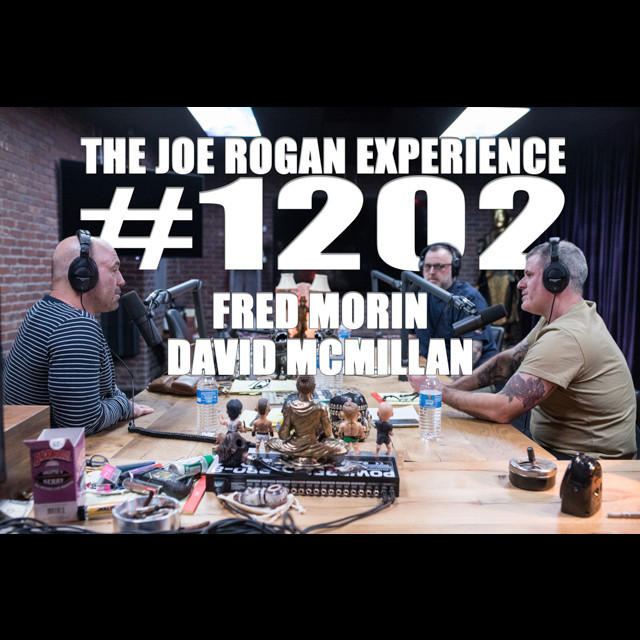
This podcast features Fred Morin and David McMillan, culinary adventurers and owners of the acclaimed restaurant, Joe Beef in Montreal. They discuss their new cookbook/survival guide “Joe Beef: Surviving the Apocalypse,” which delves into their passions beyond just food, including the outdoors, traditional Quebec culture, and a deep understanding of food sourcing and sustainability.
Provocative topics include the controversial ban on wood burning stoves in Montreal, the cultural stigma surrounding horse meat consumption, and the ethical considerations of foraging and wild game harvesting. Deep underlying themes explore the importance of regional food traditions, the need for responsible resource management, and the changing landscape of contemporary food culture.
Major Topics
-
“Joe Beef: Surviving the Apocalypse” Cookbook
- Fred Morin and David McMillan decided to write a cookbook that encompasses their interests beyond just cooking.
- They wanted to explore topics such as the outdoors, mushroom picking, fermentation, canoeing, and Quebec’s indigenous culture.
- The book serves as a guide for surviving the apocalypse, both literally and figuratively, offering practical tips and recipes.
- It reflects their commitment to living authentically and embracing a more self-sufficient lifestyle.
-
The Controversial Ban on Wood Burning Stoves in Montreal
- Montreal’s strict regulations regarding wood burning are seen as irresponsible and potentially dangerous.
- The ban is intended to reduce air pollution, but Fred and David argue that it could have devastating consequences in extreme winters.
- They believe that having wood-burning stoves as a backup heat source is crucial for survival in case of power outages.
- This topic highlights the tension between environmental concerns and the need for practical solutions, particularly in regions with harsh climates.
-
The Cultural Stigma Surrounding Horse Meat Consumption
- Fred and David challenge the cultural aversion to horse meat, arguing that it’s a perfectly acceptable and sustainable protein source.
- They compare horse meat to other four-legged animals like cows, bison, deer, and elk, emphasizing that it’s simply another form of flesh.
- They believe that our aversion to horse meat is based on arbitrary factors like cuteness and cultural conditioning rather than actual nutritional value.
- This topic sparks a conversation about the role of cultural biases in our dietary choices and the importance of reconsidering traditional taboos.
-
The Ethics of Foraging and Wild Game Harvesting
- Fred and David discuss the ethical considerations of foraging and wild game harvesting, acknowledging the potential for overexploitation.
- They raise concerns about territorial disputes and the black market for valuable mushrooms and clams.
- They argue that while foraging and hunting can be sustainable practices, they require careful management and respect for the environment.
- This topic explores the delicate balance between human needs and the preservation of natural resources, highlighting the importance of responsible stewardship.
-
The Importance of Local and Sustainable Seafood
- Fred and David advocate for the consumption of sustainable seafood options, like oysters and clams, which have a positive impact on the environment.
- They highlight the impressive efforts of Florida’s stone crab fishery, where only one claw is harvested per crab, allowing the animal to regenerate.
- They discuss the fascinating history of oysters in New York City, highlighting their role as a vital protein source for early settlers.
- This topic underscores the crucial role of responsible fishing practices in ensuring the long-term health of our oceans and food supply.
-
The Role of Insects in Cuisine
- Fred and David touch upon the growing trend of insect consumption, highlighting the use of cricket protein bars and ant dishes at high-end restaurants.
- They acknowledge the cultural discomfort surrounding insects but emphasize their nutritional value and sustainability as a protein source.
- The discussion about bugs in salads sparks a conversation about the realities of organic farming and the need for realistic expectations.
- This topic opens the door to a broader discussion about alternative food sources and the potential for rethinking our culinary boundaries.
-
The Unexpected Culinary Uses of Frogs
- Fred and David share a hilarious and disturbing anecdote about their encounter with a live frog market in New York City.
- This encounter forces them to confront their own culinary knowledge gaps and the complexities of processing an entire frog for food.
- The podcast then dives into a graphic video showing the traditional Chinese method of preparing frog legs, highlighting the cultural differences in food preparation.
- This topic offers a humorous and insightful look into the world of exotic cuisine and the cultural biases that shape our perceptions of food.
-
The Connection Between Food and Regional Environment
- Fred and David emphasize the importance of matching ingredients to their natural environment, advocating for a “locavore” approach to cooking.
- They critique the practice of using ingredients that are not native to the region, arguing that it can lead to incongruous flavors and a disconnect from the food’s origins.
- The example of lobster and mango highlights the importance of considering the natural relationships between ingredients, emphasizing that food is more than just a combination of tastes.
- This topic encourages a deeper appreciation for the interconnectedness of food, culture, and the environment.
-
The Importance of Proper Wild Game Preparation
- Fred and David discuss the nuances of cooking wild game, emphasizing the need for specific techniques to address its leanness and gamey flavor.
- They highlight the traditional French technique of “lardering” meat, which involves threading strips of pork fat into leaner cuts to enhance flavor and tenderness.
- They explain how the field dressing and handling of wild game can significantly impact its flavor, highlighting the importance of knowledge and skill.
- This topic explores the complexities of preparing wild game, demonstrating the importance of understanding its unique characteristics and the traditions surrounding its consumption.
-
The Controversial Laws Surrounding Sturgeon and Caviar
- Fred and David discuss the strict regulations surrounding sturgeon and caviar in Quebec, highlighting the high value and potential for black market activity.
- They explain that the laws require the removal and disposal of caviar from caught sturgeon, making the fish less valuable and creating an incentive for illegal harvesting.
- This topic raises ethical questions about the management of endangered species and the impact of restrictive regulations on both conservation efforts and local economies.
- The discussion also touches on the unique role of indigenous communities in fishing sturgeon and the importance of recognizing their traditional rights and knowledge.
-
The Culinary Potential of Sturgeon
- Fred and David discuss the unique flavor of sturgeon, which they compare to veal loin or a braised beef stew with a touch of seaweed.
- They describe their approach to cooking sturgeon, emphasizing the importance of treating it as a meat rather than a fish, using techniques like roasting and braising.
- They highlight the importance of mindful portioning for sustainable consumption, advocating for smaller servings of sturgeon in rich sauces.
- This topic encourages a broader appreciation for less commonly consumed fish species and their potential in contemporary cuisine.
-
The Curious Case of Eels
- Fred and David delve into the fascinating world of eels, exploring their unique characteristics and the cultural traditions surrounding their consumption.
- They discuss the challenges of processing eels for food, highlighting the difficulties in skinning and preparing them due to their slippery nature and strong odor.
- They touch on the historical significance of eel dishes in French cuisine and the role of necessity in shaping traditional food practices.
- This topic provides a humorous and engaging exploration of the culinary world’s more unusual ingredients and the often-overlooked aspects of food traditions.
-
The Importance of Calorie Restriction and Healthy Eating
- Fred and David discuss the potential benefits of calorie restriction, referencing Jordan Peterson’s experience with the carnivore diet and its impact on his health.
- They highlight the role of calorie restriction in reducing inflammation and improving overall health, emphasizing that it’s not just about the type of food but also the quantity.
- They discuss the controversial “carnivore diet” and the tendency for both vegan and pro-meat groups to become overly dogmatic in their beliefs.
- This topic encourages a nuanced perspective on dietary choices, acknowledging the complexities of individual health needs and the importance of finding a balanced approach.
-
The Role of Exercise and Physical Activity in Well-being
- Fred and David discuss the transformative effects of regular exercise, particularly long-range cardio, and its impact on reducing stress and anxiety.
- They acknowledge the importance of finding a balance between feast and famine cycles, emphasizing that exercise should not be seen as a constant obligation but rather a natural part of life.
- They discuss their personal experiences with sobriety and the benefits of physical activity in managing stress and improving mental clarity.
- This topic underscores the crucial role of physical activity in overall well-being, advocating for a more mindful and balanced approach to exercise.
-
The Importance of Community and Camaraderie
- Fred and David highlight the sense of community and camaraderie that emerges during times of crisis, referencing their experiences during the California wildfires and the Montreal ice storm.
- They argue that these shared experiences reinforce the importance of human connection and the need for mutual support in challenging times.
- They discuss the unique bonds forged in the high-pressure environment of restaurant kitchens, emphasizing the importance of trust and collaboration.
- This topic explores the resilience of human spirit and the inherent desire for connection in the face of adversity.
-
The Future of Joe Beef and the Quest for Authenticity
- Fred and David share their vision for the future of Joe Beef, expressing a desire to create a smaller, more intimate restaurant focused on traditional French cuisine.
- They envision a space that prioritizes skill, authenticity, and a nostalgic ambiance, harkening back to the golden age of fine dining.
- They reject the idea of expanding their brand or opening multiple locations, emphasizing their commitment to the unique character of their original restaurant.
- This topic offers a glimpse into their creative aspirations and their enduring passion for preserving culinary traditions.
-
The Legacy of Anthony Bourdain
- Fred and David express their deep respect and admiration for Anthony Bourdain, highlighting his impact on their lives and the food industry as a whole.
- They acknowledge the challenges of maintaining authenticity in the face of celebrity and the importance of staying true to oneself.
- They recognize Bourdain’s unique ability to connect with marginalized characters and elevate the stories of those often overlooked.
- This topic reflects their shared commitment to celebrating the art of food and the people who create it, honoring Bourdain’s legacy of culinary exploration and honest storytelling.
Memorable Quotes
- “We haven’t written a book in years…I wanna talk about multiple subjects. I wanna talk about the native Mohawks of Quebec. I want to, you know…so I said, ‘Let us write a book about the multiple subjects of which we’re into, you know, if we’re not cooking.'” – Fred Morin expresses his desire to broaden the scope of their cookbook, showcasing their multifaceted interests.
- “It’s a stigma, you know, what’s a cow, an elk, a bison, a deer, a horse…it’s all flesh, really.” – David McMillan challenges the cultural aversion to horse meat, highlighting its similarities to other protein sources.
- “It’s not that the steak is so good for you, it’s that you’re not eating all this processed food anymore.” – David McMillan points out the underlying benefits of calorie restriction and the importance of eliminating processed foods from the diet.
- “I was taught that in rehab…so would you drink acetone? I don’t know.” – David McMillan humorously compares the effects of alcohol to acetone, highlighting the destructive nature of the substance.
- “Everybody loves each other when there’s delicious food on the table, man.” – Joe Rogan concludes the conversation by emphasizing the unifying power of food and the importance of breaking bread together.
“`