12-Dec-18
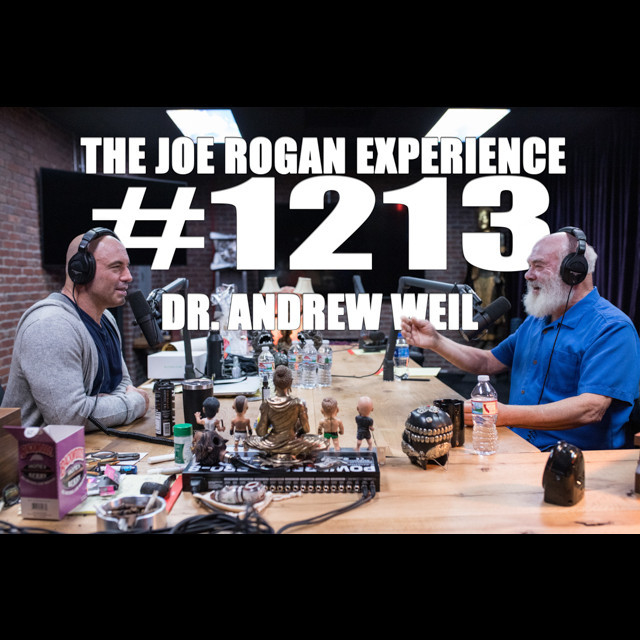
This podcast features Dr. Andrew Weil, a prominent figure in alternative medicine, discussing his views on health, healing, and the intersection of conventional and unconventional practices. Provocative topics include the efficacy of antidepressants, the power of the placebo effect, the benefits of psychedelics, and the importance of mind-body connection. Underlying themes explore the limitations of conventional medicine, the body’s innate healing capabilities, the role of consciousness in health, and the potential of integrative approaches to wellness.
Podcast Topics:
1. Matcha: A Passionate Introduction
- Dr. Weil’s deep-rooted love for matcha, dating back to his youth in Japan, is revealed.
- He explains the unique qualities of matcha, emphasizing its high chlorophyll, antioxidant content, and relaxed alertness effect.
- He discusses the importance of sourcing high-quality matcha and provides tips for storage and preparation.
- The conversation highlights matcha’s potential benefits, such as its caffeine and l-theanine content, which contribute to a state of relaxed alertness.
2. The Power of Color in Diet
3. Sustainable Seafood and Dietary Choices
- Dr. Weil expresses concern about the sustainability of ocean fish and the impact of overfishing.
- He encourages listeners to be mindful of seafood choices and recommends using guides like those from the Monterey Aquarium to assess both sustainability and toxicity.
- He shares his personal journey towards a pescatarian diet, emphasizing the importance of individual dietary choices.
- The conversation underscores the need for informed and responsible consumption, while acknowledging the complexities of dietary decisions.
4. Integrative Medicine: A Vision for the Future
- Dr. Weil passionately advocates for integrative medicine, defining it as a fusion of conventional and alternative approaches.
- He emphasizes the body’s inherent ability to heal, advocating for a holistic approach that considers lifestyle and individual needs.
- He highlights the importance of the practitioner-patient relationship and the value of therapies with evidence of efficacy and safety.
- The conversation presents integrative medicine as a solution to the healthcare crisis, with Dr. Weil emphasizing the need for increased training and adoption of this approach.
5. The Mind-Body Connection in Healing
- Dr. Weil asserts that the body’s ability to heal itself is a fundamental principle often neglected in medical education.
- He discusses the phenomenon of self-healing, highlighting the body’s capacity for repair and regeneration at various levels of biological organization.
- He explains his approach to patient care, focusing on facilitating the body’s inherent healing process by addressing lifestyle factors and removing obstacles.
- The conversation emphasizes the crucial role of the mind in influencing physical health, encouraging listeners to tap into their bodies’ natural healing abilities.
6. Back Pain: Mind Over Matter
- Dr. Weil delves into the work of Dr. John Sarno, who believed that much back pain originates from muscle spasms caused by stress and anxiety.
- He highlights Sarno’s belief that physical injury is often not the root cause of pain, emphasizing the psychological component.
- He shares an anecdote about a friend who avoided back surgery after listening to Sarno’s lectures, showcasing the potential of mind-body interventions.
- The conversation explores the complex interplay between physical injury, muscle spasm, and psychological factors in chronic back pain, highlighting the need for a holistic understanding of the condition.
7. The Power of the Placebo Effect: A Mind-Body Phenomenon
- Dr. Weil underscores the importance of the placebo effect, advocating for its deliberate incorporation into medical practice rather than dismissal.
- He explains the mechanism behind the placebo effect, suggesting that the mind, through belief, can influence physiological processes.
- He highlights the role of doctors in fostering belief and hope in patients, emphasizing the power of a positive outlook on healing.
- The conversation encourages a shift in perspective regarding the placebo effect, viewing it as a potent tool for healing rather than a mere artifact of treatment.
8. Psychedelics: Exploring the Mind-Body Frontier
- Dr. Weil expresses optimism about the potential of psychedelic interventions for addictions and other conditions.
- He cites anecdotal evidence and emerging research on the effectiveness of psychedelics like psilocybin and ayahuasca in treating addiction and anxiety.
- He shares personal experiences with LSD, highlighting its potential to influence allergies, skin pigmentation, and even physical limitations.
- The conversation sparks a discussion on the potential of psychedelics to unlock the mind’s potential for healing, highlighting their profound impact on consciousness and perception.
9. Microdosing: A Gentle Approach to Psychedelics
- Dr. Weil discusses the growing popularity of microdosing, a practice involving taking sub-perceptual doses of psychedelics for potential benefits.
- He acknowledges the potential for microdosing to enhance mood, creativity, and overall well-being.
- He expresses hope for the legalization of psilocybin in Oregon, emphasizing the potential for positive outcomes, including relief for terminally ill patients.
- The conversation explores the potential of microdosing as a less intense and potentially safer alternative to traditional psychedelic experiences, highlighting its growing acceptance and exploration within society.
10. The Science of Swearing: A Linguistic Exploration
- Dr. Weil introduces the scientific study of swearing, highlighting its unique neurological and psychological aspects.
- He explains that the brain areas responsible for swearing are distinct from those involved in ordinary language, suggesting a deeper emotional connection.
- He shares research findings on the effects of swearing, including its association with increased sweating and pain tolerance.
- The conversation delves into the cultural and neurological dimensions of taboo language, exploring the power of swear words to evoke emotions and create social bonds.
11. Detoxification: The Body’s Natural Cleansing Processes
- Dr. Weil debunks common misconceptions about detoxification, emphasizing the body’s innate capacity to purify itself through various mechanisms.
- He highlights the liver’s remarkable detoxification capabilities and the benefits of supporting its function through natural products like milk thistle.
- He emphasizes the importance of reducing exposure to toxins as a key component of detoxification.
- The conversation provides a scientific perspective on detoxification, emphasizing the body’s natural processes and the importance of lifestyle choices in maintaining health.
12. Quitting Smoking: Setting a Date and Building Motivation
- Dr. Weil discusses the importance of setting a date to quit smoking, emphasizing that the act of making the commitment is a significant step towards quitting.
- He highlights the potential for failed attempts to build motivation and resilience, suggesting that each attempt contributes to a reservoir of quitting power.
- He emphasizes the importance of helping people to set a date and build motivation rather than focusing solely on the success rate of quitting attempts.
- The conversation encourages a shift in perspective on quitting smoking, highlighting the value of the effort and the power of determination in breaking habits.
13. Antidepressants: Questioning Conventional Treatments
- Dr. Weil expresses concerns about the widespread use of antidepressants, highlighting their limited efficacy and potential side effects.
- He criticizes the tendency to add antipsychotics to antidepressants, emphasizing the importance of considering alternative approaches.
- He advocates for exploring non-pharmacological treatments, including physical activity, omega-3 fatty acids, and CBD.
- The conversation encourages a more critical assessment of conventional antidepressant treatments and a broader exploration of holistic approaches to mental health.
14. The Role of the Microbiome in Mental Health
- Dr. Weil highlights the growing understanding of the microbiome’s impact on mental well-being.
- He suggests that imbalances in gut bacteria could contribute to depression and anxiety.
- He underscores the importance of maintaining a healthy gut microbiome for overall mental and physical health.
- The conversation expands the discussion of mental health beyond traditional pharmacological interventions, highlighting the influence of the gut microbiome on mood and well-being.
15. Breathing Techniques for Anxiety
- Dr. Weil presents breath regulation as a powerful tool for managing anxiety.
- He emphasizes the effectiveness of simple breathing techniques in addressing even severe panic disorder.
- He cautions against the overuse of benzodiazepines, highlighting their addictive potential and negative effects.
- The conversation promotes a natural and non-pharmacological approach to anxiety management, encouraging listeners to explore breathwork as a powerful tool for calming the mind and body.
16. Colonics: Debunking a Wacky Idea
- Dr. Weil debunks the practice of colonic irrigation, highlighting its lack of scientific evidence and potential for harm.
- He explains that the body’s natural cleansing processes are sufficient, emphasizing the importance of maintaining regular bowel movements.
- He criticizes the practice of colonics as unnecessary and potentially disruptive to the gut microbiome.
- The conversation provides a grounded perspective on digestive health, highlighting the body’s natural abilities and the potential downsides of unnecessary interventions.
17. The Limits of Traditional Medicine: A Call for Innovation
- Dr. Weil expresses frustration with the slow pace of progress in integrating alternative approaches into mainstream medicine.
- He highlights the dominance of a materialistic paradigm in science and medicine, which often overlooks the role of the mind in health and healing.
- He criticizes the reluctance of medical professionals to embrace non-physical causes of physical events, despite evidence of the placebo effect.
- The conversation calls for a paradigm shift in medicine, emphasizing the importance of acknowledging the mind-body connection and incorporating alternative approaches for a more comprehensive understanding of health.
18. The Importance of General Practitioners: A Call for a Balanced Approach
- Dr. Weil advocates for the importance of general practitioners, emphasizing their role in guiding patients toward a more holistic approach to health.
- He highlights research suggesting that states with a higher proportion of primary care physicians have better medical outcomes.
- He criticizes the trend towards over-specialization, arguing that general practitioners play a vital role in providing comprehensive care.
- The conversation calls for a re-evaluation of the value of general practitioners and a shift towards a more balanced approach that prioritizes comprehensive care over highly specialized services.
19. The True Food Kitchen: A Restaurant Concept Rooted in Wellness
- Dr. Weil reveals his involvement in the True Food Kitchen restaurant chain, emphasizing its commitment to serving healthy and delicious food.
- He explains the restaurant’s focus on anti-inflammatory diets and the availability of diverse options for different dietary needs.
- He highlights the concept’s success in providing healthy and flavorful food while adhering to good nutritional principles.
- The conversation showcases Dr. Weil’s dedication to promoting healthy lifestyles through practical and enjoyable means, demonstrating the intersection of his work with the culinary world.
20. Intermittent Fasting: A Personal Experiment
- Dr. Weil discusses his personal experience with intermittent fasting, emphasizing its potential benefits and the need for finding a suitable regimen.
- He shares his approach to intermittent fasting, incorporating it into his routine for several days a week.
- He expresses interest in exploring longer fasting periods, acknowledging the potential for enhanced mental clarity and energy levels.
- The conversation delves into the world of fasting, showcasing its potential as a tool for improving health and well-being, and emphasizing the importance of individual experimentation and finding a suitable approach.
21. The Power of Example: Inspiring Change Through Personal Action
- Dr. Weil highlights the importance of leading by example, emphasizing that personal practice is crucial for inspiring others.
- He emphasizes the effectiveness of sharing personal experiences and showcasing the benefits of integrative approaches.
- He acknowledges the power of user testimonials and the impact of seeing individuals who have successfully integrated these practices into their lives.
- The conversation emphasizes the importance of authentically living out the principles one advocates for, recognizing the power of lived experience in inspiring transformation.
Memorable Quotes
- “The most marvelous thing about our bodies is that they have the capacity to heal themselves.”
- “The body has within it the ability to maintain equilibrium, heal itself.”
- “The greatest problem is that we talk about placebos in phrases like, ‘How do you know that’s not just a placebo effect?’ The most interesting word there is ‘just.'”
- “I’ve had many patients over the years who the most important thing I did for them was that I was the only doctor who told them they could get better.”
- “Everything is conscious. That consciousness permeates everything.”