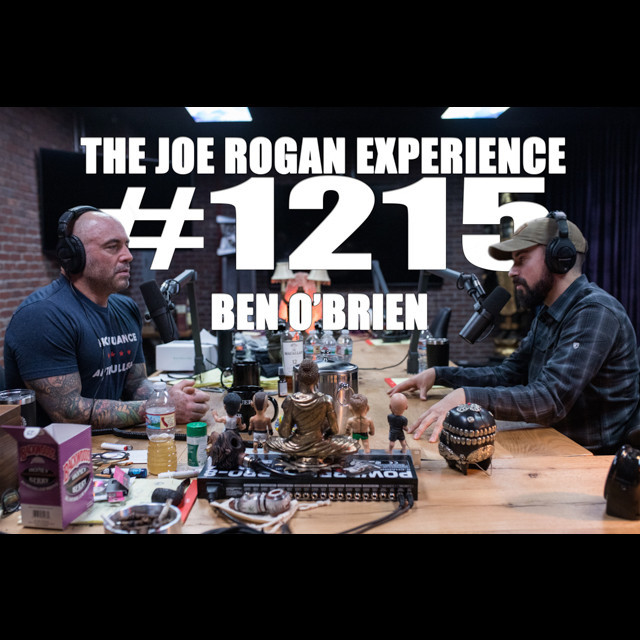
17-Dec-18
This podcast explores the world of hunting with Ben O’Brien, a writer, editor, and avid outdoorsman. It delves into the complexities of ethical hunting, conservation, and the unique perspectives of those who engage in this controversial activity. Provocative topics include the weaponization of trophy hunting, the role of predators in ecosystems, and the delicate balance between human development and wilderness preservation. Underlying themes explore the evolving relationship between humans and nature, the importance of understanding complex issues, and the ongoing search for responsible practices within a rapidly changing world.
Podcast Topics
1. The Rise of MeatEater and the Outdoor Media Juggernaut:
- MeatEater, a multimedia company, has amassed a vast network of outdoor programs and content, creating a dominant force within the hunting and angling industry.
- The scale of this network represents a new era for outdoor media, with extensive resources and reach.
- This trend has reshaped the hunting industry, introducing new players and influencing the direction of conservation efforts.
- The podcast discusses the potential impact of this juggernaut, both positive and negative, on the future of hunting and conservation.
2. The Importance of Wilderness and the “Pro Nuance” Movement:
- The podcast highlights the significance of preserving wilderness areas, emphasizing their value for both wildlife and human well-being.
- It criticizes the tendency to divide opinions into simplistic “pro” and “anti” camps, arguing for a more nuanced understanding of complex issues.
- The “Pro Nuance” movement advocates for a balanced approach to conservation, recognizing the need to protect both wildlife and human interests.
- The podcast explores the challenges of balancing conservation with economic development, highlighting the need for responsible practices that benefit both.
3. The Ethics of Hunting and the Importance of Understanding Animals:
- The podcast delves into the moral and ethical dimensions of hunting, exploring the complexities of human-animal relationships.
- It emphasizes the importance of understanding the natural behaviors and roles of animals within their ecosystems.
- The conversation touches on the need to avoid anthropomorphizing animals and to acknowledge their inherent wildness and potential for violence.
- The podcast encourages a thoughtful approach to hunting, promoting respect for animals and a deep understanding of their behaviors.
4. The Impact of Urbanization on Hunting and Conservation:
- The podcast discusses the growing disconnect between people and nature as a result of urbanization, and the impact this has on hunting and conservation.
- It analyzes the decline in hunting participation as people become increasingly removed from rural areas and traditional hunting practices.
- The conversation explores the challenges of educating a younger generation about the importance of conservation, particularly in urban environments.
- The podcast highlights the need for creative solutions to bridge the gap between urban and rural communities and to foster a renewed appreciation for the natural world.
5. The Role of Predators and the Challenges of Managing Wildlife Populations:
- The podcast addresses the controversial issue of predator hunting, exploring the complexities of managing wildlife populations and maintaining a healthy ecosystem.
- It discusses the importance of predators in regulating prey populations and ensuring a balance within ecosystems.
- The conversation acknowledges the challenges of controlling predator populations, particularly in situations where they pose a threat to human safety or livestock.
- The podcast examines different approaches to predator management, emphasizing the need for evidence-based practices and a thoughtful approach to wildlife conservation.
6. The Weaponization of Trophy Hunting and the Power of Images:
- The podcast critiques the practice of trophy hunting, particularly when it involves taking animals solely for their size or rarity, without a clear conservation or subsistence purpose.
- It analyzes the negative impact of trophy hunting images on public perception of hunting, often fueling outrage and misconceptions.
- The conversation highlights the need for hunters to be mindful of how their actions and images are perceived by the broader public.
- The podcast encourages hunters to communicate the true nature of their activities and to advocate for responsible and ethical hunting practices.
7. The Importance of Long-Form Conversations and Building Understanding:
- The podcast emphasizes the value of long-form conversations in fostering deeper understanding and empathy.
- It argues that shallow interactions and limited information often contribute to misunderstandings and polarized opinions.
- The conversation encourages listeners to engage in thoughtful dialogue, to challenge their assumptions, and to listen to diverse perspectives.
- The podcast advocates for a more nuanced and informed approach to discussing complex issues, promoting respectful communication and collaborative solutions.
8. The Role of Technology and Social Media in Shaping Public Perception:
- The podcast discusses the impact of social media on the hunting community and how it has shaped public perception.
- It explores the challenges of controlling the narrative and messaging around hunting in the age of instant communication and viral content.
- The conversation highlights the need for hunters to engage with social media thoughtfully and to be mindful of how their actions are portrayed.
- The podcast encourages hunters to use social media as a platform for education, advocacy, and building bridges with non-hunters.
9. The Importance of Conservation and the North American Model of Wildlife Management:
- The podcast explores the success of the North American Model of Wildlife Conservation, which emphasizes sustainable use and public trust resources.
- It discusses the crucial role of hunters and anglers in funding and supporting conservation efforts through license fees and excise taxes.
- The conversation highlights the importance of science-based management practices, ensuring the long-term health of wildlife populations.
- The podcast advocates for continued support for the North American Model, recognizing its effectiveness in promoting responsible wildlife management.
10. The Role of Hunters as Stewards of the Land:
- The podcast explores the responsibility of hunters as stewards of the land, recognizing their role in maintaining healthy ecosystems.
- It discusses the importance of hunters advocating for conservation, habitat protection, and responsible land management practices.
- The conversation highlights the unique perspective that hunters have on the natural world and their ability to contribute to conservation efforts.
- The podcast encourages hunters to use their knowledge and experience to promote a greater understanding and appreciation for the natural world.
11. The Complexities of Hunting in Different Cultures and Contexts:
- The podcast examines hunting practices in various cultures, recognizing the diverse perspectives and motivations surrounding this activity.
- It explores the cultural significance of hunting in different societies, highlighting its historical and traditional roles.
- The conversation acknowledges the evolving nature of hunting and the need for adapting practices to changing environmental and social contexts.
- The podcast encourages an open-minded and respectful approach to understanding the various cultural dimensions of hunting.
12. The Importance of Personal Growth and Learning through Hunting:
- The podcast discusses the personal growth and learning that can occur through hunting, highlighting the physical and mental challenges it presents.
- It explores the development of discipline, self-awareness, and respect for nature that hunting can foster.
- The conversation acknowledges the unique rewards and challenges that hunting offers, emphasizing the importance of personal growth and self-discovery.
- The podcast encourages listeners to explore activities that challenge them and foster a deeper connection with the natural world.
13. The Role of Diet and Food Choices in Environmental Impact:
- The podcast examines the impact of dietary choices on the environment, highlighting the connections between food production, land use, and wildlife conservation.
- It discusses the challenges of balancing ethical food choices with personal preferences and cultural traditions.
- The conversation explores the complexities of large-scale agriculture and its environmental footprint, promoting a more mindful approach to food consumption.
- The podcast encourages listeners to consider the broader implications of their food choices and to engage in a more sustainable and responsible approach to eating.
14. The Role of Personal Accountability and Respect for Wildlife:
- The podcast stresses the importance of personal accountability in hunting, emphasizing the need for ethical and responsible practices.
- It discusses the significant consequences of hunting decisions, both for individual animals and for the broader ecosystem.
- The conversation highlights the need for hunters to respect wildlife, to act with compassion, and to minimize unnecessary suffering.
- The podcast encourages hunters to embrace a higher standard of ethics and to strive for excellence in their pursuit of game.
15. The Importance of Challenging Assumptions and Engaging in Meaningful Dialogue:
- The podcast encourages listeners to question their assumptions and to engage in open and respectful dialogue about hunting and conservation.
- It highlights the need to approach these issues with an open mind and to listen to diverse perspectives.
- The conversation emphasizes the importance of critical thinking and evidence-based reasoning in forming informed opinions.
- The podcast advocates for a collaborative approach to addressing complex issues, promoting understanding and finding common ground.
16. The Challenges of Navigating Public Perception and Building Trust:
- The podcast examines the challenges that hunters face in navigating public perception and building trust with those who may not understand or appreciate their activities.
- It discusses the need for hunters to communicate their values, practices, and motivations effectively.
- The conversation highlights the importance of transparency, education, and community engagement in fostering a more positive and informed dialogue about hunting.
- The podcast encourages hunters to be ambassadors for their sport and to promote a more nuanced and respectful understanding of their activities.
Memorable Quotes
- “It’s a very strange thing where they’re they’re this giant multimedia corporation stepped in throwing a ton of money at MeatEater and all these different companies that are involved in the outdoors.” – Joe Rogan on the emergence of a powerful media juggernaut within the hunting industry.
- “It doesn’t get crazy that you wanna be able to defend your family. Like, why do these movies all have robberies and break ins and bad guys, why these are real things.” – Ben O’Brien addressing the misconception that gun ownership equates to violence.
- “Those old boars that we’re trying to kill, there if you kill them, it’s better for the whole population of bears because they eat bears.” – Ben O’Brien highlighting the complex dynamics of predator-prey relationships.
- “I think what non hunters want from hunters is is for us to say, listen. We get it’s complex. We get it’s a serious thing. and we’re doing our best to unpack the the moral and ethical entanglements in what we do.” – Ben O’Brien on the need for hunters to acknowledge the complexity of their actions.
- “You don’t always know who the fuck you are.” – Joe Rogan on the importance of self-reflection and personal growth, particularly within the context of relationships.