19-Dec-18
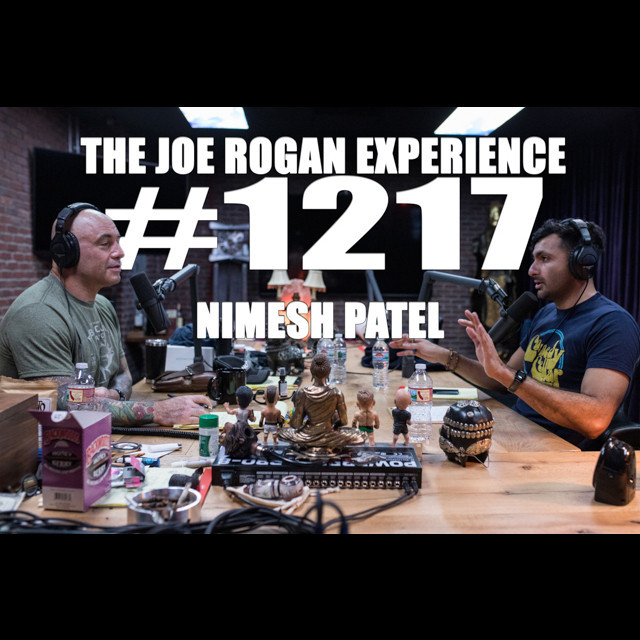
This Joe Rogan podcast dives into the fascinating and controversial world of stand-up comedy, exploring the evolving dynamics of humor and social sensitivity in today’s landscape. Nimesh Patel, a comedian who made history as the first Indian American writer on SNL, shares his personal story of navigating the complexities of the comedy scene, highlighting the tension between pushing boundaries and the dangers of overstepping them. Provocative discussions include the concept of “trigger warnings” in comedy, the delicate balance of humor and social awareness, and the backlash Patel faced after a joke at a Columbia University event. Underlying themes explore the changing nature of comedy, the power of free speech, the dynamics of audience expectations, and the responsibility of comedians in shaping cultural discourse.
Here’s a deep dive into the podcast’s major topics, broken down into digestible points:
-
Patel’s Columbia University Incident:
- Patel’s performance at a Columbia University event was abruptly cut short by organizers after a joke about gay black people was deemed offensive.
- The organizers argued that the joke was disrespectful and created an uncomfortable environment, despite a significant portion of the audience finding it funny.
- Patel defended himself by arguing that the joke was intended to be progressive and that he was simply trying to make people laugh. He emphasized that he had a right to express himself and that humor often requires pushing boundaries.
- The incident sparked a heated debate about free speech in comedy, the role of “trigger warnings,” and the expectations of audiences in today’s politically charged environment.
-
The Changing Landscape of Comedy:
- Patel’s experience at Columbia highlighted a growing trend of increased sensitivity and a shift in audience expectations among younger generations.
- He argued that while the desire for inclusivity and social justice is positive, it’s important to avoid stifling humor and creative expression.
- Patel suggested that younger audiences, particularly those in university settings, may be more susceptible to outrage culture and less tolerant of jokes that challenge their beliefs.
- He emphasized that comedy requires a willingness to push boundaries and that comedians should not be held back by fear of offending a narrow segment of their audience.
-
The Importance of Context and Intent:
- Patel stressed the importance of considering the context and intent behind a joke when assessing its offensiveness.
- He argued that the joke about gay black people was meant to be humorous and not intended to be hurtful or discriminatory.
- He expressed frustration at the organizers’ inability to recognize the humor in his joke and the broader context of his performance.
- He believes that comedians have a responsibility to be funny first and foremost and that their personal beliefs should not be judged solely based on their jokes.
-
The Role of Social Media and Confirmation Bias:
- Patel acknowledged the influence of social media in shaping public opinion and facilitating outrage culture.
- He explained how social media platforms can create echo chambers where people are exposed only to information that confirms their existing beliefs.
- He highlighted the dangers of confirmation bias, where people tend to seek out information that supports their views and dismiss or discredit information that contradicts them.
- Patel argued that social media’s ability to amplify negative narratives and foster mob mentality can be detrimental to open dialogue and understanding.
-
The Value of Free Speech and the Dangers of Censorship:
- Patel argued that free speech is essential for a healthy society and that attempts to censor or silence dissenting voices can have dangerous consequences.
- He expressed concern about the increasing trend of deplatforming and censorship, particularly in online spaces.
- Patel emphasized that while hate speech should be condemned, it’s important to distinguish between hate speech and offensive jokes. He believes that free speech allows for the expression of diverse opinions, even those that may be controversial or unpopular.
- He warned about the slippery slope of censorship, arguing that it can lead to the suppression of legitimate viewpoints and the creation of a more restrictive and intolerant society.
-
The Importance of Hard Work and Commitment in Comedy:
- Patel shared his personal process for writing and performing stand-up comedy, emphasizing the importance of consistent effort and dedication.
- He stressed the need for comedians to write regularly, practice their material, and seek feedback from audiences.
- He highlighted the importance of finding a balance between honing their craft and performing live to refine their delivery and timing.
- Patel stressed that comedy is a demanding profession requiring a significant investment of time, energy, and mental discipline.
-
The Nature of Comedy and the Search for Laughter:
- Patel expressed a profound appreciation for the power of laughter and the joy it brings to audiences.
- He highlighted the unique connection that comedians share with their audiences and the feeling of fulfillment that comes from making people laugh.
- He described the thrill of landing a joke and the sense of shared understanding that it creates between performer and audience.
- Patel views stand-up comedy as a form of social commentary and a way to connect with audiences on a deeper level.
-
The Future of Comedy and the Role of Comedians:
- Patel acknowledged the challenges facing comedians in today’s climate of increased sensitivity and political polarization.
- He expressed optimism about the future of comedy, believing that humor has the power to bring people together and promote understanding.
- He emphasized the need for comedians to be courageous and to continue pushing boundaries, even in the face of criticism and backlash.
- Patel believes that comedians have a responsibility to be thoughtful and to use their platform to spark dialogue and challenge societal norms.
-
The Impact of Technology and the Rise of Online Outrage:
- Patel discussed the impact of technology on modern society, particularly the rise of social media and its role in amplifying outrage culture.
- He expressed concern about the ease with which people can spread misinformation and engage in online harassment.
- He argued that social media platforms can be used to create echo chambers and reinforce existing biases.
- Patel believes that technology can be a powerful tool for communication and connection, but it’s important to be aware of its potential for abuse and to use it responsibly.
-
The Need for Patience and Understanding:
- Patel emphasized the importance of patience and understanding in navigating the complexities of today’s social landscape.
- He argued that it’s important to allow for diverse viewpoints and to engage in open dialogue, even when there are disagreements.
- He believes that rushing to judgment and resorting to censorship can be counterproductive and ultimately hinder progress.
- Patel encouraged listeners to approach conversations about sensitive topics with empathy, respect, and a willingness to listen to different perspectives.
-
The Impact of Political Polarization and the Trump Presidency:
- Patel discussed the impact of political polarization on American society and the role of the Trump presidency in exacerbating these divisions.
- He expressed concern about the increasingly toxic political climate and the way it has eroded civil discourse.
- He believes that the Trump presidency has created an environment where people are more likely to demonize those with opposing views and to engage in personal attacks.
- Patel argued that it’s important to find common ground and to focus on issues that unite us rather than those that divide us.
-
The Need for Self-Awareness and Personal Growth:
- Patel reflected on the importance of self-awareness and personal growth, particularly in the context of navigating challenging social situations.
- He encouraged listeners to be open to feedback and to be willing to learn from their mistakes.
- He stressed the importance of listening to different perspectives and to challenging one’s own biases.
- Patel believes that personal growth is a lifelong journey and that it’s important to be humble and open to new ideas.
Here are 5 memorable quotes from the podcast that capture the essence of Nimesh Patel’s insights:
- “I don’t think I’ve been disrespectful in the slightest. What are you talking about?” – Patel’s incredulous response to the organizers’ accusations highlights the absurdity of the situation and the tension between subjective interpretations of humor.
- “You can’t isolate yourself from the real world. Like, what are you gonna do when some real bad shit happens in the world?” – Patel’s powerful statement underscores the importance of confronting difficult issues and preparing for real-world challenges rather than retreating into safe spaces.
- “They’re deciding to be outraged.” – This insightful observation points to the performative nature of outrage culture and the way individuals may choose to be offended for validation or to assert their own beliefs.
- “The worst thing is when you see a guy on stage and you’re like, ‘Oh, I know where this is going.'” – Patel’s critique of predictable comedy underscores the importance of originality, surprise, and the ability to connect with audiences on a deeper level.
- “I think it’s also a trend, and I think that political correctness and it comes in waves.” – Patel’s historical perspective on political correctness acknowledges that it’s not a new phenomenon and that it will likely continue to ebb and flow throughout history.