24-Dec-18
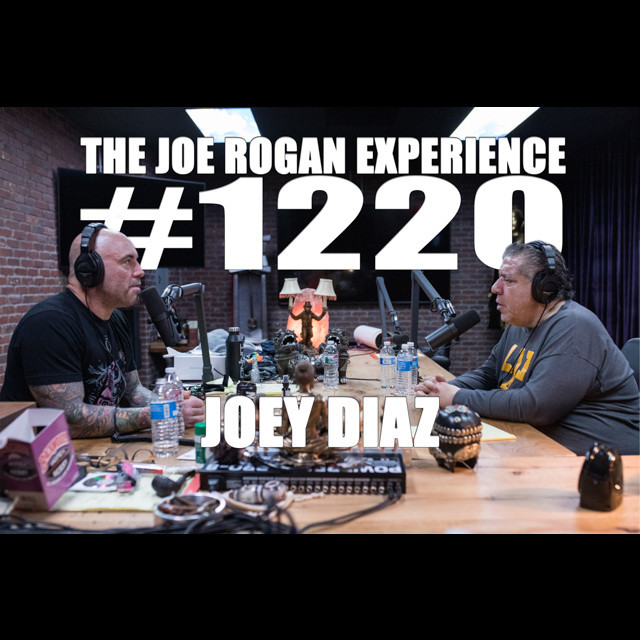
This episode of the Joe Rogan Experience features Joey Diaz, a Cuban-American standup comedian and actor. The conversation ranges from personal anecdotes to social commentary, exploring topics from conspiracy theories and technology to the nuances of the entertainment industry and the human condition.
Major Topics
- Surveillance and Privacy in the Digital Age: Rogan and Diaz discuss the ease with which authorities can access personal information, particularly through smartphones and devices like AirPods. They reminisce about the “paranoid” practices of bookmakers in the 70s, who avoided using phones in rooms due to potential surveillance, highlighting how technology has outpaced privacy concerns.
- The Mob’s Influence in Construction and Other Industries: Diaz recounts his experiences with organized crime in New York, revealing how the mob has infiltrated construction, exploiting loopholes and extorting money from contractors. The discussion delves into the “concrete tax” and the role of “Bidrig” in inflating prices, showcasing the pervasiveness of mob influence in major industries.
- The Nature of Masculinity and Gender Dynamics in the Workplace: Rogan and Diaz examine the traditional, male-dominated environment of construction. They discuss the changing dynamics with the influx of women in the field, reflecting on the challenges faced by men in adapting to female supervision. The conversation touches on the role of female trainers in athletics, highlighting societal biases and preconceptions about gender roles.
- The Genetic and Environmental Factors Influencing Athletic Prowess: Rogan and Diaz explore the origins of exceptional athleticism, particularly in relation to athletes from Cuba. They speculate about the role of genetics, training regimen, and potential use of performance-enhancing drugs, referencing the remarkable abilities of Cuban athletes like Hector Lombard.
- The Longevity of Athletes and the Impact of Injuries: Diaz and Rogan delve into the factors influencing the longevity of athletes, particularly in MMA and football. They cite the “9-year window” often mentioned by experts as a peak performance period for fighters, contrasting this with the shorter lifespan of NFL running backs due to the severity of injuries. The discussion highlights the delicate balance between pushing boundaries and preserving one’s body in demanding sports.
- The Evolution of Weed and its Impact on Society: Rogan and Diaz trace the history of marijuana, recalling the different strains and their potency through the decades. They discuss the shift from “Panama red” and “Colombian gold” in the 70s to the high-THC “green weed” that emerged in the 80s, attributing this change to deliberate breeding practices. The conversation explores the ongoing debate surrounding legalization and the potential for both positive and negative effects of high-potency marijuana.
- The Role of Music in Personal Life and the Evolution of Music Consumption: Diaz passionately expresses his love for music, particularly Led Zeppelin and Pink Floyd. He recounts his childhood experiences with vinyl records and cassette tapes, reminiscing about the evolving technology and the cultural impact of music. The discussion reflects on the changing nature of music consumption, from physical media to streaming services, and the enduring power of classic music.
- The Impact of Technology on Communication and Privacy: Rogan and Diaz speculate about the future of communication, anticipating the development of technology that will enable more seamless and intimate sharing of thoughts and ideas. They express concerns about the potential erosion of privacy in an increasingly interconnected world, suggesting that even thoughts may eventually become accessible to others.
- The Power of Humor in Dealing with Difficult Situations: Diaz shares a poignant anecdote about making a joke while discovering his mother’s death, highlighting the coping mechanism of humor in confronting difficult situations. He emphasizes the transformative power of humor, turning something tragic into something slightly funny. He also references Dave Foley’s reaction to Phil Hartman’s Emmy loss, illustrating the absurdity of life and the ability to find humor in the face of tragedy.
- The Overconsumption of News and the Negativity of Social Media: Rogan and Diaz express concern about the constant barrage of information and the prevalence of negativity on social media. They discuss the difficulty in separating valuable information from sensationalized stories and the dangers of engaging in online conflicts. They advocate for mindful consumption and a balanced approach to staying informed.
- The Ethics of Travel and Personal Boundaries: Diaz expresses a preference for avoiding potentially dangerous travel destinations, highlighting his desire to maintain control over his personal environment. He describes his aversion to experiencing conflict or danger, highlighting a personal philosophy of seeking out predictable and peaceful experiences.
- The Power Dynamics in the Entertainment Industry: Rogan and Diaz discuss the potential for abuse of power in the entertainment industry, specifically referencing the Harvey Weinstein case. They speculate about the strategies Weinstein might employ to defend himself against sexual assault charges, drawing parallels to similar cases involving Bill Cosby. The conversation delves into the complexities of power dynamics and the exploitation of individuals seeking success.
- The Role of Lawyers in High-Profile Cases: Diaz offers insights into the legal strategies employed by defendants in high-profile cases, suggesting that Weinstein may utilize diversity and emotional appeal to influence a jury’s perception. He references the “dream team” assembled by O.J. Simpson in his trial, emphasizing the importance of strategic legal maneuvering in influencing outcomes.
- The Nature of Obsession and the Traits of Successful Artists: Rogan and Diaz contemplate the link between obsession and success, suggesting that many brilliant artists possess a certain degree of insanity or unconventional traits. They discuss the dedication and focus of individuals like Daniel Day Lewis, highlighting the potential for extreme work ethic to drive creative achievements.
- The Impact of Substance Abuse on Creative Endeavors: Rogan and Diaz explore the complex relationship between substance abuse and creative talent. They acknowledge the contributions of individuals like Nick Nolte and Sean Penn, who have faced significant substance abuse issues, while emphasizing the negative impact these challenges can have on personal and professional lives.
- The Importance of Recognizing and Addressing Abuse of Power: Diaz speaks out against the systemic abuse of power, specifically citing the #MeToo movement and the tragic story of Marilyn Monroe, whom he considers a victim of exploitation. He underscores the need to challenge societal norms that enable and perpetuate abusive behavior, highlighting the enduring fight against injustice.
- The Legacy of Classic Films and the Use of Real Animals in Cinema: Rogan and Diaz discuss the iconic scene from “The Godfather” involving the horse’s head, revealing the use of a real horse head in the filming. They discuss the ethical implications of using real animals in films, referencing the controversy surrounding the use of a horse rectum on the show “Fear Factor.” The conversation highlights the blurring lines between art and ethical considerations.
- The Importance of Recognizing the Nuances of Cultural Representation: Rogan and Diaz discuss the portrayal of Spanish and Italian characters in film and television, highlighting the potential for stereotypes and oversimplification. They mention the importance of authentic representation and the challenges faced by actors seeking to break free from stereotypical portrayals.
- The Experience of Working on Soap Operas: Diaz shares his own experience working on soap operas, highlighting the fast-paced environment and the lack of personal connection with actors and producers. He describes the process as a business-driven operation focused on efficiency rather than artistic expression. The discussion offers insights into the industry’s unique demands and its impact on actors.
- The Cultural Impact of Soap Operas and the Phenomenon of Luke and Laura: Rogan and Diaz discuss the enduring popularity of soap operas and the phenomenon of Luke and Laura, a couple whose relationship on “General Hospital” transcended the show and became a cultural touchstone. They discuss the reasons for their widespread appeal, including the characters’ unconventional dynamic and the show’s ability to capture the attention of viewers across demographics.
- The Evolution of Content Consumption and the Rise of Streaming Services: Rogan and Diaz discuss the abundance of content available to consumers today, particularly through streaming services like Netflix and Amazon Prime. They explore the shift from traditional television to on-demand viewing and the challenges of keeping up with the vast amount of content available. The conversation highlights the ongoing evolution of entertainment consumption and its implications for the industry.
- The Importance of Supporting Local Businesses and the Dangers of Monopolization: Rogan and Diaz discuss the threat of large corporations dominating industries, particularly in the context of marijuana legalization. They express concern about the potential for monopolies to stifle competition and restrict access to products, arguing for the importance of supporting local businesses and ensuring fair market practices.
- The Importance of Personal Responsibility and Mindfulness: Rogan and Diaz discuss the importance of personal responsibility in various aspects of life, including driving, substance use, and decision-making. They advocate for caution and awareness, particularly when dealing with potentially harmful substances or situations, highlighting the need to be mindful of one’s actions and their consequences.
- The Complexities of Testing in Athletics and the Debate Surrounding John Jones: Rogan and Diaz delve into the ongoing controversy surrounding UFC fighter John Jones, who has tested positive for a banned substance. They discuss the advancements in testing technology, the potential for false positives, and the use of tainted supplements. The conversation explores the ethical and scientific complexities of testing in competitive sports and the challenges of determining intent.
- The Impact of Bureaucracy and the Need for Flexibility: Rogan and Diaz critique the rigidity of bureaucracy, specifically highlighting the UFC’s decision to move a major fight from Las Vegas to Los Angeles due to John Jones’s positive test. They argue for a more flexible approach, particularly in situations where scientific evidence suggests a potential misunderstanding or a minor violation.
- The Significance of Upcoming UFC Fights and the Potential for Upsets: Rogan and Diaz discuss the upcoming UFC fights, particularly the highly anticipated matchup between John Jones and Alexander Gustafsson. They analyze the strengths and weaknesses of each fighter, highlighting the potential for upsets and the competitive nature of the sport. The conversation showcases their passion for MMA and their insights into the fighters’ strategies and personalities.
- The Importance of Family and the Challenges of Parenting: Diaz shares anecdotes about his experiences as a father, reflecting on the challenges and joys of raising children. He discusses the emotional rollercoaster of parenthood and the constant need to adjust to the changing dynamics of family life. The conversation touches on the anxieties associated with daughters entering their teenage years and the complexities of navigating a rapidly evolving world.
- The Importance of Staying Active and Maintaining a Healthy Lifestyle: Rogan and Diaz discuss the benefits of physical activity and the importance of staying hydrated, particularly as one ages. They share tips and routines for staying fit, emphasizing the value of prioritizing health and well-being.
- The Power of Coffee and the Potential Benefits of Nicotine: Rogan and Diaz discuss their personal preferences for coffee and the potential benefits of nicotine, specifically in the context of cognitive enhancement. They acknowledge the addictive nature of nicotine but speculate on the potential for a clean and controlled form of nicotine to be beneficial. The conversation touches on the evolving understanding of substances and their potential effects on the human body.
Underlying Themes
Several recurring themes intertwine throughout the conversation, painting a complex picture of the human experience:
- The Evolution of Society and Technology: The podcast consistently reflects on how technology has changed the world, from the rise of smartphones and social media to advancements in drug testing. The conversation highlights both the benefits and risks of these developments, prompting reflection on the trajectory of human progress and its impact on personal lives.
- The Perpetuation of Power Dynamics and Abuse: The conversation repeatedly touches on the theme of power dynamics and abuse, particularly in relation to organized crime, the entertainment industry, and interpersonal relationships. The discussion highlights the vulnerabilities created by power imbalances and the need for accountability in addressing these issues.
- The Search for Meaning and Purpose: Diaz and Rogan explore the ways individuals cope with the complexities of life, highlighting the importance of personal values, relationships, and pursuing passions. They discuss the role of humor, music, and various activities in finding meaning and purpose amidst the challenges of everyday life.
- The Human Condition: The podcast delves into the intricacies of the human experience, exploring the complexities of relationships, the pursuit of success, the impact of trauma, and the enduring search for connection. The conversation offers a glimpse into the diverse ways individuals navigate the challenges and joys of existence.
Memorable Quotes
- “They don’t need to bug your house anymore. They just use your phone.” – Diaz highlights the ease with which authorities can access personal information through technology.
- “You could take all the steroids in the world. You’re not gonna move like this guy moves.” – Rogan emphasizes the significance of genetic potential in athleticism, referencing Hector Lombard’s unique abilities.
- “Most people that don’t do podcasts all the time, getting on your podcast is a minefuck.” – Diaz acknowledges the intensity and potential for unexpected experiences in podcasting.
- “People have no idea what I see people arguing now. Like, now as a fifty-five year old, you look at it, and you go, I threw away 20 years of my life arguing with people.” – Diaz reflects on the futility of engaging in unproductive arguments, advocating for a more mindful and less combative approach to communication.
- “You gotta get what? Why would you do that when you can take a flight? Because the flight’s gonna be… It’s not that expensive. Uber’s gonna… It will… It is on a day’s notice. Is it… How much does Southwest cost? It’s 255. And here’s the base… 300. It’s 300. I got a car with a guy farting for 3 hours. Look for 33… 100 divided by 3… I saved 200.” – Diaz showcases his comedic timing and knack for delivering humorous observations about everyday situations, using this example to illustrate the absurdity of choosing a long Uber ride over a flight.