17-Jan-19
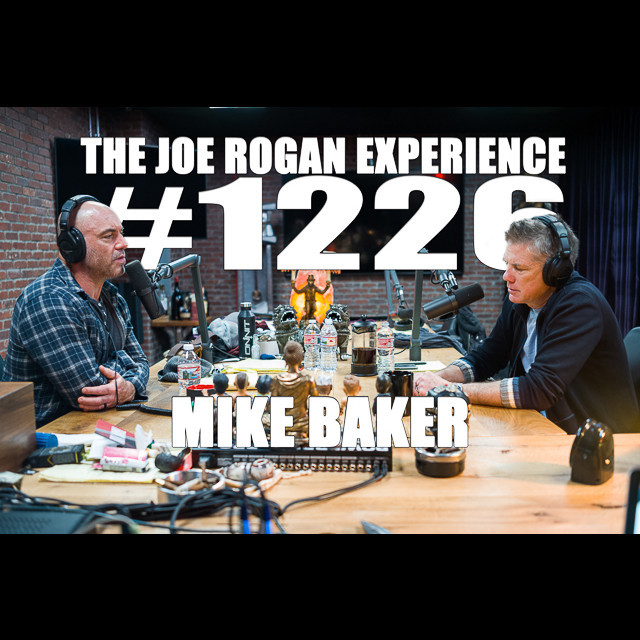
This podcast features Mike Baker, a former CIA covert operations officer and president of Diligence LLC, a global intelligence and security firm. Baker discusses his experience in the CIA and his current work, offering a unique perspective on intelligence gathering, government secrecy, and the current political landscape.
Provocative topics include classified budgets, black ops programs, the ethics of intelligence operations, and the motivations behind information leaks. Baker delves into the complexities of navigating the intelligence community, highlighting the tension between national security and transparency. Underlying themes explore the evolution of intelligence methods, the impact of technology on espionage, and the challenges of balancing power and accountability.
- Black Files: The Untold Stories of Hidden Budgets
- The CIA’s budget is hidden within the Defense Department, keeping its funding and activities secret.
- The show “Black Files” explores past and present black ops programs funded by these hidden budgets.
- The show aims to shed light on how the money is spent, who oversees it, and the implications of these programs.
- The CIA’s secrecy is justified as necessary to prevent adversaries from understanding its capabilities.
- The Ethics of Intelligence Operations
- The line between covert operations and illegal activities can be blurred.
- The CIA’s secrecy and power raise ethical concerns about accountability and the potential for abuse.
- Baker acknowledges that the CIA has a responsibility to ensure its operations remain within the law and ethical bounds.
- The public’s right to know about government activities is balanced against the need for national security.
- The Impact of Technology on Espionage
- Technology has dramatically changed how intelligence is gathered and shared.
- Surveillance capabilities have become more sophisticated, allowing for real-time monitoring and data collection.
- The CIA has adapted to these advancements, utilizing advanced technology for covert operations.
- The potential for abuse and misuse of these technologies raises ethical concerns.
- The Current Political Landscape
- Baker offers his perspective on the Trump administration’s approach to intelligence and national security.
- He expresses concerns about the administration’s rhetoric and actions, particularly regarding the FBI and the withdrawal from Syria.
- Baker believes that the administration’s messaging is often counterproductive and self-inflicted.
- He highlights the importance of a nuanced and informed approach to foreign policy, emphasizing the need for stability and cooperation.
- The Rise of China and its Espionage Activities
- China is seen as a growing threat to national security, particularly due to its cyber espionage and theft of intellectual property.
- Huawei, a major Chinese telecommunications company, is accused of embedding backdoors in its equipment to facilitate espionage.
- Baker believes that China’s actions are deliberate and well-planned, aiming to gain control of information and technology.
- He emphasizes the need for vigilance and a coordinated response to counter China’s activities.
- The Importance of Privacy in a Digital Age
- The erosion of privacy in the digital age is a growing concern.
- Voice recognition software, smartphones, and even billboards are capable of collecting vast amounts of personal data.
- Baker highlights the potential for misuse of this data by both private companies and government agencies.
- He argues that the public should be aware of the implications of these technologies and advocate for greater privacy protections.
- The Future of the Intelligence Community
- The intelligence community is constantly evolving to adapt to new threats and technologies.
- The future of espionage likely involves more sophisticated cyber capabilities, AI, and data analysis.
- Baker acknowledges the need for transparency and accountability within the intelligence community.
- He stresses the importance of maintaining public trust and ensuring that intelligence operations are conducted ethically and effectively.
- Conspiracy Theories and the Assassination of JFK and MLK
- Baker offers his perspective on the assassination of JFK and MLK, acknowledging the lingering doubts and conspiracy theories.
- He believes that Lee Harvey Oswald acted alone in JFK’s assassination but acknowledges that there may be information that hasn’t been uncovered.
- He expresses strong doubts about James Earl Ray acting alone in MLK’s assassination, citing Ray’s behavior change leading up to the event.
- Baker emphasizes the importance of critical thinking and examining evidence objectively when considering conspiracy theories.
- The Future of the US: Political Polarization, Economic Challenges, and Social Change
- Baker reflects on the current political landscape, emphasizing the polarization and lack of compromise in American politics.
- He discusses the economic challenges facing the US, including the government shutdown, trade imbalances, and global economic slowdown.
- He touches on social issues, including income inequality, the role of education, and the potential for automation to impact the workforce.
- He expresses hope for a future where the US can address these challenges through open dialogue, compromise, and a renewed focus on common goals.
5 Memorable Quotes:
- “If you take, like, the CIA, for example, the agency’s budget is hidden inside. It’s not hidden, but it’s placed inside the defense department, and it’s and it’s classified piece of information, obviously, because So the defense department gets a certain budget. The CIA gets a piece of that, but nobody’s allowed to know how much — Right. — or where it’s been. Right. because, obviously, the Russians, the Chinese, whomever would like to know, you know, how much money is sent over to the agency so that they can get a sense of size, resources capabilities, that sort of thing.” – This quote highlights the deliberate secrecy surrounding the CIA’s budget and its strategic implications.
- “It’s it’s as simple as this. Somebody gets an idea. They’re sitting around the table. not unlike going out with your buddies and drinking and thinking, you know, come with somebody comes up with with some, you know, dumbass idea then they say, you know, it it turns into a TV show or something. But it’s it’s it’s not unlike that. A lot of smart guys sitting around a table thinking, well, here’s the problem. How do we resolve it? And the key is to do it creatively. They come up with because if you get a bunch of engineers sitting around the table, you hope that they’re not at all approaching it from the same point of view.” – This quote offers a glimpse into the creative process behind developing intelligence operations, highlighting the need for diverse perspectives.
- “You can’t point to someone from CNN and you’re fake news. Yeah. Like, what? It serves no purpose for the president. I agree with the 100%.” – This quote expresses Baker’s strong disapproval of Trump’s attacks on the media, highlighting the lack of purpose and the potential damage to the free press.
- “The Chinese don’t operate that way. So the Chinese authorities some time ago, years ago, looked at it and went, yeah, this makes sense. Right? We’ve got Huawei, which by the way, the founder is a former military. People’s Liberation Army Engineer. He they they they looked at this and they thought, Poland, that would be a good beachhead for us.” – This quote underscores Baker’s belief that China’s espionage activities are carefully planned and strategic, aiming to gain access to sensitive information and technology.
- “I don’t think the job itself is too big. Right? I just think that the way that we scope through the selection process has slowly over a period of time, you know, gone downhill and has — Yeah. — kind of resulted in what we’re doing right now.” – This quote reflects Baker’s concerns about the current political system and the selection process for presidents, suggesting that it may be contributing to the challenges faced by the US.