29-Apr-19
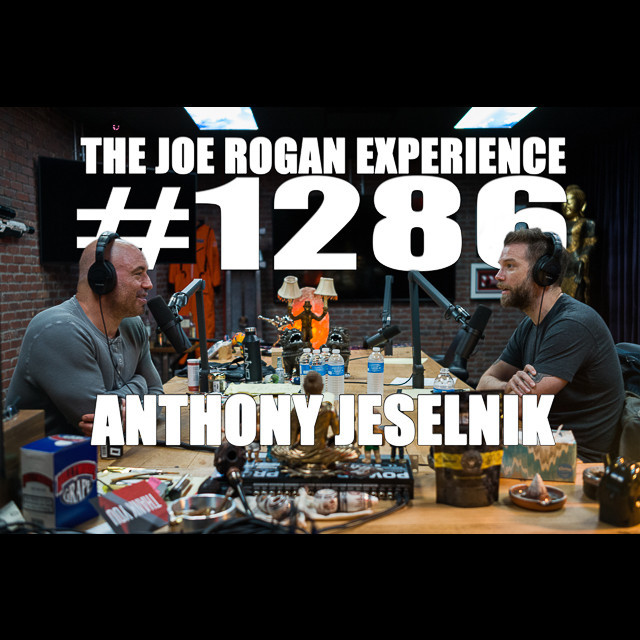
#1286 – Anthony Jeselnik
Joe Rogan sits down with Anthony Jeselnik, a comedian whose new special “Anthony Jeselnik: Fire in the Maternity Ward” is available streaming on Netflix. This episode explores the world of stand-up comedy, navigating topics like the creative process, the influence of drugs and alcohol on performance, the dynamics of comedy clubs, and the ever-evolving nature of humor.
Jeselnik, known for his dark and provocative comedy, provides a unique perspective on the complexities of stand-up. He delves into the nuances of joke writing, the importance of refining one’s craft, and the potential pitfalls of relying on a comfort zone. The podcast also tackles societal issues, such as divorce, mental illness, and gun violence, through a comedic lens.
Underlying themes of personal growth, societal critique, and the enduring power of laughter weave throughout the conversation. Jeselnik’s self-awareness and honesty, combined with Rogan’s inquisitive and open-minded approach, create a captivating dialogue that resonates with those who appreciate candid discussions and raw humor.
-
The Beard as a Metaphor
- Jeselnik’s newfound love for a beard is compared to sunglasses for the bottom half of his face, creating a sense of anonymity and detachment.
- The beard helps him feel more relaxed on stage, particularly by concealing the sweat that often accompanies his animated performances.
- The beard acts as a shield against anxiety, highlighting the way external appearances can influence internal states.
- The metaphor of the beard as a shield against the world extends to the broader theme of a comedian’s persona, often serving as a buffer between the artist and their audience.
-
The Constant Pursuit of Improvement
- Jeselnik believes that comedians can always improve, even with decades of experience, emphasizing the ongoing nature of honing one’s craft.
- He advocates for consistent work, whether it’s nightly open mics or regular appearances at comedy clubs, emphasizing the value of practice and exposure.
- He acknowledges the difference between comedians who truly strive for improvement and those who simply go through the motions, highlighting the importance of genuine passion for the art form.
- This theme underscores the dedication and commitment required to excel in any creative endeavor, particularly in stand-up comedy, where the pursuit of excellence is a continuous journey.
-
The Impact of Substance Use on Comedy
- Jeselnik discusses how different substances can affect his performance, revealing the personal relationship between comedy and altered states.
- He acknowledges that cocaine hinders his ability to be funny, both in terms of timing and creative thought, underscoring the impact of stimulant drugs on the comedic process.
- He finds that marijuana, while allowing him to explore weirder and more introspective material, can also lead to a sense of detachment and a desire to finish the set quickly, rather than truly engage with the audience.
- This exploration delves into the complex relationship between substance use, personal expression, and artistic integrity, revealing the unique challenges faced by comedians in navigating these factors.
-
The Importance of a Balanced Audience
- Jeselnik highlights the value of performing for a diverse and challenging audience, arguing that it’s crucial for developing material and pushing boundaries.
- He views comedy clubs like The Comedy Store as a “gym” for comedians, where they can refine their craft and test their material in a demanding environment.
- He contrasts this with the more comfortable and predictable atmosphere of venues like Largo, where the audience is already familiar with and receptive to his work, highlighting the potential for stagnation without the challenge of a diverse audience.
- This emphasis on a balanced audience reflects the importance of feedback and the need for comedians to constantly evolve and adapt their act to engage different audiences, pushing them to grow and expand their comedic repertoire.
-
The Power and Pitfalls of Controversial Humor
- Jeselnik acknowledges that some topics carry more weight than others, requiring a heightened level of skill and awareness to navigate effectively.
- He recognizes that a successful joke on a controversial topic can have a greater impact, but it’s crucial to be able to handle the tension and avoid triggering a negative reaction.
- He reflects on the audience’s response to his anti-feminist material, emphasizing the importance of finding ways to make even the most sensitive jokes accessible and engaging.
- This discussion explores the delicate balance between challenging social norms, provoking thought, and avoiding offensiveness, highlighting the complexity of navigating potentially controversial material in a way that is both insightful and entertaining.
-
The Evolution of Comedy and its Relationship with Society
- Jeselnik discusses how the landscape of comedy has changed over the years, with the rise of Netflix specials and the increased focus on political humor.
- He expresses his concern about the trend of comedians putting out substandard specials, fueled by the desire for money and fame, highlighting the importance of artistic integrity and the long-term impact of a comedian’s work.
- He criticizes the reliance on political humor as a shortcut to easy laughs, suggesting that it can be divisive and limiting, rather than truly insightful or thought-provoking.
- This exploration of the evolving landscape of comedy reflects a broader conversation about the role of humor in society, its potential for social commentary, and the responsibility of comedians to navigate these complex issues with skill and sensitivity.
-
The Impact of Fame and the Pressure to Perform
- Jeselnik discusses the pressure that comes with being a successful comedian, particularly in terms of maintaining a consistent level of humor and staying true to one’s persona.
- He reveals his frustration with being judged based solely on his fame, rather than the quality of his work, highlighting the unique challenges faced by comedians who become known for their controversial material.
- He acknowledges that the pressure to constantly perform and deliver can be overwhelming, particularly when audiences have high expectations and are familiar with his previous work.
- This discussion explores the complexities of fame, the need to balance expectations with personal growth, and the ongoing struggle to stay authentic as an artist in a world obsessed with celebrity and instant gratification.
-
The Importance of Personal Growth and Self-Awareness
- Jeselnik shares his experiences with dating and relationships, reflecting on the importance of learning from past mistakes and evolving as a person.
- He emphasizes the value of self-awareness and the ability to recognize one’s own flaws and shortcomings, highlighting the importance of personal growth as a lifelong process.
- He highlights the importance of finding the right fit in relationships, both romantic and professional, acknowledging that not everyone is compatible and that compatibility is key to happiness and success.
- This exploration of personal growth reinforces the need for introspection, self-reflection, and the willingness to change and adapt as we learn and evolve throughout life.
-
The Dark Side of Society and the Prevalence of Mental Illness
- Jeselnik discusses the alarming increase in violence and hate crimes, particularly targeting places of worship, highlighting the growing concern over societal breakdown and the prevalence of mental illness.
- He explores the complex relationship between mental illness and violence, recognizing that individuals who commit acts of violence are often deeply troubled and suffering.
- He emphasizes the need to address the root causes of mental illness, rather than simply focusing on gun control or other superficial solutions, advocating for a deeper understanding of the societal factors that contribute to mental health issues.
- This conversation delves into a critical social issue, prompting reflection on the need for compassion, understanding, and effective solutions to combat the growing mental health crisis that plagues our society.
-
The Influence of Culture on Violence and Aggression
- Jeselnik discusses the role of media, particularly violent video games and movies, in shaping societal attitudes toward violence and aggression.
- He acknowledges the potential for violent content to desensitize individuals and normalize violence, even if it doesn’t directly cause it, recognizing the complex interplay between media and behavior.
- He emphasizes the importance of considering the impact of media on vulnerable individuals, particularly those who may be susceptible to influence or struggling with mental health issues.
- This exploration of the cultural landscape touches on the broader societal conversation about the responsibilities of media creators and consumers, the need for thoughtful content, and the importance of critical thinking in navigating a world saturated with violent imagery.
-
The Importance of Laughter and its Role in Healing
- Jeselnik highlights the power of laughter to provide relief, release tension, and promote a sense of connection, even in the face of darkness and suffering.
- He acknowledges that comedy can be a tool for coping with difficult emotions, providing a safe space for exploring challenging topics and finding humor in unexpected places.
- He recognizes the ability of laughter to unite people, transcending differences and fostering a sense of shared humanity.
- This theme underscores the enduring power of laughter to heal, inspire, and bring people together, even in the most challenging times.
5 Memorable Quotes:
- “It’s like sunglasses for the bottom half of your face.” – Jeselnik describes his beard as a shield against the world.
- “It’s not that big a deal. You could.” – Jeselnik playfully responds to the notion that anyone could be a stand-up comedian.
- “You gotta be putting in the work yourself otherwise, why why am I doing your favor?” – Jeselnik emphasizes the importance of dedication and consistent effort in comedy.
- “It makes me wanna get through the set as opposed to being present and enjoying it. Like, I just wanted to be over so I can go chill out.” – Jeselnik reflects on the impact of marijuana on his stand-up performances.
- “It’s like being mad at slayer for being loud. What do you? That’s what they do. Exactly. What are you what are you talking about?” – Jeselnik defends his controversial comedy style.