13-May-19
“`html
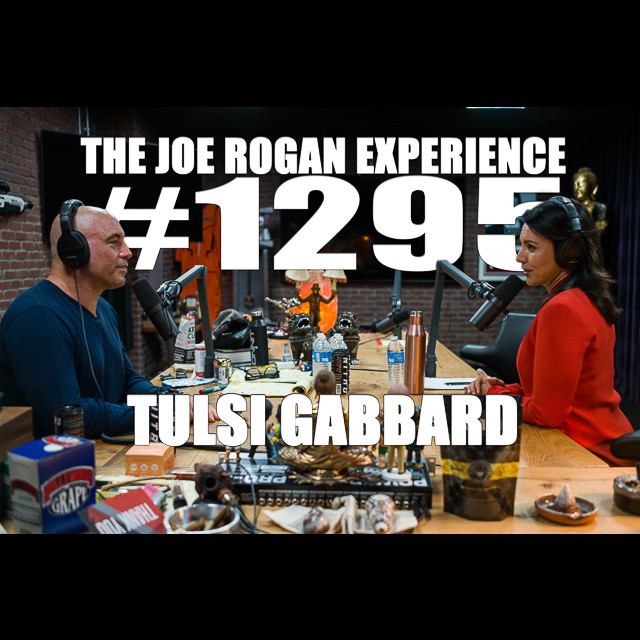
This podcast features a conversation between Joe Rogan and Tulsi Gabbard, a 2020 Presidential Candidate of the Democratic Party and U.S. Representative for Hawaii’s 2nd congressional district. The episode delves into Gabbard’s foreign policy positions, her stance on regime change wars, her experiences in the military, and her criticism of the military industrial complex. It also explores her thoughts on social media, free speech, the opioid crisis, automation, artificial intelligence, and the challenges facing America’s political landscape. The podcast highlights Gabbard’s unique perspective as a veteran and her commitment to serving the American people. It also raises provocative and controversial topics like the role of the military industrial complex, the impact of social media on free speech, and the dangers of artificial intelligence.
Here are some of the major topics covered in the podcast:
Regime Change Wars
- The Motivations for Regime Change Wars: Gabbard argues that regime change wars are often driven by financial interests, like access to oil, rather than genuine humanitarian concerns. She cites the Iraq War as an example, claiming it was sold to the American people as a response to 9/11 but was actually motivated by oil interests.
- The Cost of Regime Change Wars: Gabbard highlights the devastating human cost of these wars, not only for the people in the target countries but also for American troops and veterans. She points to the trillions of dollars spent on wars since 9/11 and the ongoing costs of caring for wounded veterans.
- The Consequences of Regime Change Wars: Gabbard argues that regime change wars often lead to more instability and suffering, citing examples like Libya and Syria. She asserts that the US intervention in these countries resulted in failed states and widespread violence.
- The Hypocrisy of Regime Change Wars: Gabbard criticizes the hypocrisy of the US government’s foreign policy, pointing to its willingness to engage in regime change in some countries while supporting authoritarian regimes in others, like Saudi Arabia.
The Military Industrial Complex
- The Existence of the Military Industrial Complex: Gabbard echoes President Eisenhower’s concerns about the military industrial complex, a powerful network of defense contractors and politicians who benefit financially from war. She sees this complex as a significant driver of US involvement in wars.
- The Impact of the Military Industrial Complex: Gabbard believes the military industrial complex influences politicians to support wars even when they are not in the best interests of the American people. She highlights the revolving door between defense contractors and government officials as evidence of this influence.
- The Need for Reform: Gabbard advocates for campaign finance reform and a change in the culture of Washington, arguing that politicians should put service above self and prioritize the needs of the people over the interests of special interests.
- The Importance of Transparency: Gabbard believes in increased transparency around campaign finance and the influence of special interests on government decisions.
Social Media and Free Speech
- The Power of Social Media Platforms: Gabbard expresses concerns about the power of social media companies like Facebook and Google to control the flow of information and influence public opinion through their algorithms.
- The Threat to Free Speech: Gabbard criticizes Facebook’s practice of banning individuals from its platform based on their speech, arguing it undermines First Amendment rights. She believes these platforms should be regulated as public utilities to ensure free speech and prevent censorship.
- The Dangers of Social Media Algorithms: Gabbard worries that algorithms on these platforms promote outrage and divisiveness, further polarizing the country and hindering meaningful discourse. She suggests breaking up large social media companies to promote competition and diversity of viewpoints.
- The Need for Responsible Regulation: Gabbard believes that social media platforms need to be regulated to protect free speech, ensure responsible use, and mitigate potential harm.
The Opioid Crisis
- The Urgency of the Crisis: Gabbard acknowledges the devastating impact of the opioid crisis and emphasizes the need for immediate action. She sees the federal government as failing to adequately address the problem.
- The Role of Marijuana: Gabbard argues that legalizing marijuana could significantly help combat opioid addiction by providing a less harmful alternative. She cites research showing a correlation between marijuana legalization and reduced opioid addiction and deaths.
- The Importance of Treatment and Support: Gabbard stresses the need for increased resources for treatment and support services for those struggling with opioid addiction. She emphasizes the need to help individuals recover and rebuild their lives after detoxification.
- Holding Pharmaceutical Companies Accountable: Gabbard calls for criminal accountability for pharmaceutical companies like Purdue Pharma, which she believes have intentionally misled the public about the risks of opioids. She advocates for legislation that would empower prosecutors to hold these companies responsible.
Automation and the Future of Work
- The Impact of Automation: Gabbard acknowledges the increasing automation of jobs, particularly in unskilled labor sectors, and the potential for widespread job displacement. She sees this as a significant challenge for the American economy and workforce.
- The Need for Universal Basic Income: Gabbard considers universal basic income as a potential solution to bridge the gap for workers displaced by automation. She believes it could provide a safety net and ensure a basic standard of living for those who lose their jobs.
- The Importance of Workforce Training: Gabbard emphasizes the need for investments in retraining programs to prepare workers for new jobs in evolving industries. She believes that the government and private sector need to work together to create opportunities for workers displaced by automation.
- The Need for a Comprehensive Approach: Gabbard advocates for a comprehensive approach to address the challenges of automation, including retraining programs, universal basic income, and a focus on quality of life for workers.
Artificial Intelligence and Its Dangers
- The Rapid Evolution of Artificial Intelligence: Gabbard expresses concern about the rapid advancement of artificial intelligence and the lack of adequate oversight or understanding of its potential risks. She worries that the technology could be weaponized and lead to unintended consequences.
- The Threat of Autonomous Weapons: Gabbard highlights the potential dangers of autonomous weapons, which she sees as a real threat to human security. She calls for global cooperation to prevent the weaponization of artificial intelligence.
- The Need for Global Cooperation: Gabbard believes that international collaboration is crucial to address the challenges of artificial intelligence and prevent a global arms race in autonomous weapons. She emphasizes the need for checks and balances on this technology.
- The Importance of Ethical Considerations: Gabbard stresses the importance of ethical considerations in the development and use of artificial intelligence, arguing that it should not be used to harm or threaten humanity.
The Future of American Politics
- The Power of the People: Gabbard believes that the American people have the power to change the political landscape and hold politicians accountable. She encourages people to get involved in politics, support people-powered campaigns, and demand a government that serves their interests.
- The Importance of Service: Gabbard advocates for a change in the culture of Washington, where politicians prioritize service above self. She believes that politicians should focus on serving the people and not the interests of special interests.
- The Need for Bipartisanship: Gabbard emphasizes the importance of bipartisanship and finding common ground to address the challenges facing the country. She believes that meaningful dialogue and compromise are essential to move forward.
- The Role of Experience and Judgment: Gabbard highlights her own experience as a veteran and member of Congress as valuable assets for the presidency. She believes that the next president needs strong judgment and the ability to make decisions that serve the best interests of the country.
Memorable Quotes
- “These are my favorite things that you talk about. My question is always though, why do we spend so much time and money… for these regime change wars?” – Joe Rogan, expressing his agreement with Gabbard’s stance on foreign policy.
- “I’m on a mission.” – Tulsi Gabbard, emphasizing her commitment to addressing the issues she believes are critical for the country.
- “I think it makes most people angry. It’s why I introduced legislation called the Stop Arming Terrorists Act. Why we would need to have such legislation is beyond me, but clearly, we do…” – Tulsi Gabbard, expressing outrage over US support for terrorist groups in Syria.
- “The military industrial complex is a real thing. This is something that President Eisenhower talked about.” – Tulsi Gabbard, highlighting the reality of the powerful network of defense contractors and politicians.
- “The earth provides enough for everyone’s need, but not everyone’s greed.” – Tulsi Gabbard, quoting Mahatma Gandhi to underscore the importance of sustainable practices and respect for the environment.
“`