21-May-19
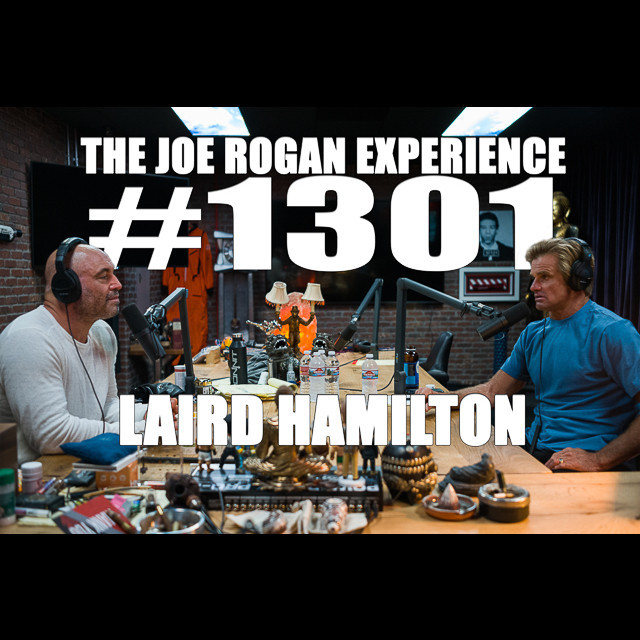
#1301 – Laird Hamilton
This podcast delves into the fascinating world of Laird Hamilton, a big-wave surfer, co-inventor of tow-in surfing, and co-founder, with his wife Gabrielle Reece, of XPT Training (Extreme Performance Training). This episode is a treasure trove of knowledge and experiences, offering a unique perspective on physical performance, mental resilience, and the pursuit of pushing limits.
Podcast Topics
Here are some of the major topics discussed in the podcast:
- The Power of Turmeric Coffee:
- Rogan’s newfound addiction to turmeric coffee, highlighting its potential benefits for inflammation and gut health.
- Exploring the concept of cravings as a natural human response, potentially driven by our body’s desire for essential nutrients.
- Debunking the notion that all cravings are negative, arguing that we often crave unhealthy things because they’re disguised with sugar.
- The importance of listening to our body’s signals and understanding the difference between healthy and unhealthy cravings.
- Extreme Sauna Practices:
- Hamilton’s extreme sauna routine, cranking the temperature up to 220 degrees Fahrenheit.
- The impact of core temperature on sauna tolerance, influencing how long one can stay in the sauna.
- The principle of constant stress in training, pushing the body to adapt and enhance its performance.
- The potential for hot yoga to mimic the positive health effects of sauna, due to increased core temperature and strain.
- The Benefits of Nose Breathing:
- The physiological advantages of nose breathing, including nitric oxide production, reduced air intake, and increased CO2 tolerance.
- The link between mouth breathing and reduced oxygen absorption, highlighting the importance of nose breathing for optimal oxygen utilization.
- The impact of chronic mouth breathing on CO2 levels, leading to decreased oxygen absorption and potential health issues.
- The potential for nose breathing to open up restricted nasal passages, improving overall breathing capacity.
- The Psychology of Craving and Addiction:
- Exploring the addictive nature of physical activities, particularly those involving intense breathing, like running.
- The potential for addiction to success and the positive feedback loop of achieving results.
- The body’s remarkable ability to adapt to extreme stress, enabling us to handle greater workloads over time.
- The importance of recognizing and overcoming limiting beliefs about age and physical capabilities.
- The Importance of Embracing Struggle:
- The concept of “no pain, no gain” and its relevance to physical and mental growth.
- The argument that struggle is essential for appreciating the good times and enhancing our enjoyment of life.
- The importance of movement and physical exertion for combating sleep issues, reducing anxiety, and promoting overall well-being.
- The significance of recognizing and embracing the natural stress inherent in our universe.
- The Debate on Warm-ups:
- Hamilton’s perspective on warm-ups, suggesting that being alive is a sufficient warm-up.
- The potential for psyching up and preparing mentally to serve as a natural warm-up for intense physical activities.
- The evolution of fitness trends, from emphasizing stretching before workouts to questioning its necessity.
- The argument that warm-ups might be less crucial for individuals who live more active and natural lifestyles.
- The Deterioration of Modern Humans:
- Hamilton’s concerns about the declining physical capabilities of modern humans due to sedentary lifestyles.
- The impact of this deterioration on mental health, as physical inactivity can negatively affect brain function.
- The societal resistance to accepting the connection between physical activity and mental well-being.
- The potential for lifestyle changes, including exercise and diet, to address issues like depression and hormone imbalances.
- The Sauna as a Performance Enhancer:
- Hamilton’s rationale for pushing sauna temperatures to extremes, citing European sauna traditions.
- The importance of listening to one’s body and recognizing personal limits when using saunas.
- The impact of hydration on sauna tolerance, emphasizing the importance of staying well-hydrated.
- The potential benefits of sauna for athletes, particularly in terms of overheating tolerance and recovery.
- The Debate on Ice Baths for Recovery:
- Hamilton’s belief that heat may be a better recovery tool than ice, citing studies on heat shock proteins.
- The impact of ice baths on the healing hormone IGF-1, potentially hindering recovery.
- The potential for ice baths to suppress pain, which may be a crucial signal for healing.
- The importance of recognizing that ice baths can provide comfort but may not necessarily be the most effective recovery method.
- The Importance of Groundedness and Nature:
- The unique groundedness exhibited by people who live in Hawaii, influenced by the power of the land and the ocean.
- The potential for the ocean’s electrical conductivity to influence our energy and sense of well-being.
- The humbling effect of being surrounded by powerful natural forces, fostering a sense of humility and perspective.
- The positive impact of being near the ocean on mental well-being, as described in the book “Blue Mind.”
- The Allure of Cities and the Cost of Density:
- The factors that make cities attractive, including abundance of resources, opportunities, and entertainment.
- The biological and social challenges of living in dense urban environments, including stress, lack of nature, and diffusion of responsibility.
- The potential for city life to foster a sense of detachment and diminished value for human life, leading to decreased empathy and assistance.
- The importance of recognizing our natural inclination towards living in harmony with nature and the potential downsides of extreme urban density.
- The Importance of Holistic Well-being:
- Hamilton’s belief in the need for balance in all aspects of life, emphasizing the importance of family, friends, health, sleep, and work.
- The potential for neglecting any one of these aspects to negatively affect our overall performance and well-being.
- The importance of prioritizing mental clarity and a balanced lifestyle for optimal performance in all areas of life.
- The dangers of overworking and neglecting personal needs, potentially leading to burnout and compromised well-being.
- The Benefits of Electric Vehicles:
- Hamilton’s positive experience with Tesla vehicles, highlighting their efficiency and advanced technology.
- The potential for electric vehicles to revolutionize transportation, reducing reliance on fossil fuels and minimizing pollution.
- The importance of considering the long-term benefits of sustainable technologies for the environment and human well-being.
- The need for individuals and businesses to prioritize sustainable practices and embrace technological advancements that promote a healthier planet.
- The Importance of Recognizing and Resetting:
- The challenges of recognizing when we’re on the wrong path and the need to step back and reassess our choices.
- The importance of prioritizing happiness and long-term well-being when making life decisions.
- The need to consider the sustainability of our choices and how they may impact our future health and well-being.
- The value of self-reflection and taking the time to evaluate our priorities and make adjustments for a more fulfilling life.
- The Power of XPT Training:
- Hamilton’s explanation of XPT Training as a holistic lifestyle program encompassing physical, mental, and emotional well-being.
- The focus on rest, recovery, and breath work as integral components of XPT, emphasizing a more nurturing approach to training.
- The importance of proper movement and form to prevent injuries, particularly in gym settings.
- Hamilton’s unique pool training system, integrating gym-style exercises with the buoyancy and resistance of water.
- The Benefits of Pool Training:
- The enhanced blood flow and lymphatic drainage provided by water compression, aiding in recovery and overall health.
- The controlled environment of the pool, offering protection from impact forces and allowing for intense training without injury.
- The psychological benefits of being underwater, including reduced stress and enhanced breath-holding capacity.
- The versatility of pool training, catering to a wide range of individuals from athletes to those recovering from injuries.
- The Role of Breath Work in Performance:
- The importance of conscious breathing and the various techniques for improving breath work, including pranayama, apnea, and holatropic breathing.
- The impact of breath work on oxygen utilization, cardiovascular health, and stress management.
- The need for athletes and individuals alike to incorporate breath work into their training and daily lives.
- The potential for breath work to calm the nervous system, promote relaxation, and enhance performance.
- The Importance of Grounding and Barefoot Running:
- Hamilton’s emphasis on barefoot running on soft surfaces like sand, citing the benefits of grounding and impact absorption.
- The potential risks of running on hard surfaces, particularly for individuals with larger body sizes.
- The importance of choosing running surfaces that minimize impact and promote natural foot mechanics.
- The potential for alternative forms of exercise, like stand-up biking, to provide low-impact cardiovascular benefits.
- The Importance of Healing and Recovery:
- Hamilton’s insights on the importance of allowing pain as a signal for healing and avoiding pain suppression through ice or medication.
- The potential for dry needling to effectively address muscle knots and trigger points, promoting tissue release.
- The synergistic benefits of sauna and ice baths for recovery, reducing the need for frequent massage therapy.
- The importance of recognizing the limits of infrared saunas, particularly regarding potential collagen damage and eye safety.
- The Importance of Finding Qualified Practitioners:
- Hamilton’s emphasis on finding skilled and passionate practitioners for massage, dry needling, and other therapeutic modalities.
- The importance of recognizing the art of touch and the ability of some practitioners to intuitively understand and release tension.
- The need to prioritize practitioners who prioritize healing and well-being over financial gain.
- The potential for finding qualified practitioners through word-of-mouth recommendations and personal experience.
- The Power of Continuous Learning and Experimentation:
- Hamilton’s approach to fitness as a continuous learning process, involving experimentation and adapting to new information.
- The importance of embracing failure and learning from mistakes as a key part of the learning journey.
- The value of a laboratory mindset, exploring different techniques and practices to find what works best for each individual.
- The importance of staying curious and open to new possibilities in the pursuit of optimal health and well-being.
Memorable Quotes
- “If ten’s good, then 20 is gonna be better. Even better.” – Hamilton’s mentality of pushing limits and seeking constant improvement.
- “I think we’re not creating enough things that nurture the system.” – Hamilton’s concern about the focus on intense training at the expense of recovery and rejuvenation.
- “You don’t wanna own 1 of those houses, but they’re nice to stand.” – Hamilton’s playful observation about the beauty and vulnerability of homes built on the water.
- “I think my injuries, first of all, it’s a form of failure. I think that is taught. I’ve learned a few things from failure.” – Hamilton’s perspective on injuries as learning opportunities.
- “You don’t learn a lot from winning, you know, and succeeding. That doesn’t teach you anything compared to losing.” – Hamilton’s belief that failure is a more potent teacher than success.