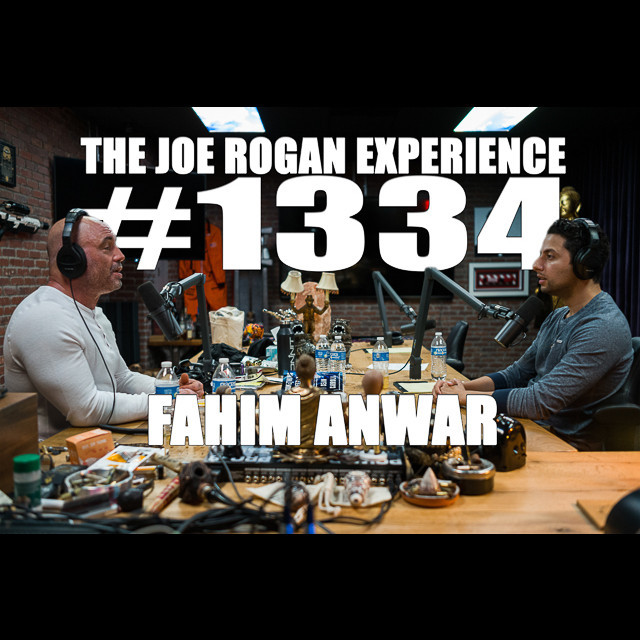
13-Aug-19
This podcast explores the world of stand-up comedy with Fahim Anwar, a comedian who offers insightful perspectives on the industry’s challenges, the evolution of comedy, and the unique challenges faced by comedians.
Major Topics in the Podcast
- The Dunbar Number and Comedian Social Circles:
- Comedians, especially those at a high level, encounter a vast number of people daily, making it challenging to remember everyone.
- Dunbar’s number suggests we can only maintain meaningful relationships with around 150 people.
- Comedians develop a strong sense of camaraderie with other comics, even when encountering them in unexpected places like airports.
- The transient nature of comedians’ schedules leads to frequent meetings and interactions, further contributing to the challenge of remembering everyone.
- The Importance of Live Audience Feedback:
- Stand-up comedy is a unique art form that requires live audience interaction to refine and perfect material.
- Even seemingly minor changes in delivery or inflection can significantly impact a joke’s effectiveness.
- Comedians are constantly learning and adapting based on audience reactions, leading to ongoing evolution in their performances.
- The reliance on audience feedback highlights the collaborative nature of stand-up comedy.
- The Shifting Landscape of Comedy Specials:
- The increasing frequency of comedy specials has diluted their significance, making them more like marketing brochures than unique events.
- While there are varying degrees of polish and quality among specials, the sheer volume has changed their perceived value.
- The traditional purpose of specials as a vehicle for sitcom deals has largely faded away.
- The current focus on streaming platforms has shifted the power dynamics, with platforms now holding more influence than traditional comedy venues.
- The Pressure to Succeed in Comedy:
- The pressure to succeed in comedy can be immense, leading to anxiety and potentially even tragic consequences, as illustrated by the story of Chicken.
- The rise and fall of comics is a common occurrence, highlighting the fickle nature of the industry and the importance of staying grounded.
- The pressure to develop for television can be a double-edged sword, potentially jeopardizing a comedian’s stand-up career.
- The constant cycle of creating new material and performing to stay relevant creates a constant state of flux for comedians.
- The Role of Agents and Industry Professionals:
- Agents and industry professionals often prioritize financial gains, sometimes pushing comedians towards opportunities that may not be in their best interests.
- The pressure to secure lucrative sitcom deals can lead to overlooking a comedian’s stand-up strengths and pushing them towards acting roles that may not be suitable.
- The industry’s obsession with decibels and quick pops can overshadow the nuances and subtleties of true comedic talent.
- The power dynamics between comedians and industry professionals can be complex, with established comedians often wielding more influence.
- The Rise of CBD and its Impact on the Comedy Industry:
- CBD is gaining popularity in the comedy industry, with comedians frequently offered CBD oil and products.
- The perceived health benefits of CBD, particularly for anxiety and inflammation, make it a tempting option for comedians facing demanding schedules.
- CBD’s popularity reflects the industry’s growing focus on health and wellness, as well as its willingness to embrace alternative therapies.
- The use of CBD, while seen as a potential aid for some comedians, underscores the industry’s culture of experimentation and self-care.
- Alex Jones and the Misunderstanding of Truth:
- Alex Jones, a controversial figure known for his outlandish claims, has been misunderstood by many.
- His claims about Jeffrey Epstein, while initially dismissed as fringe theories, have since been corroborated by mainstream media.
- Jones’s willingness to embrace his perceived “craziness” has led to him being written off by many, yet he continues to have a significant following.
- Jones’s example highlights the challenges of discerning truth in a media landscape saturated with misinformation and conflicting narratives.
- The Importance of Long-Form Conversations and Transparency:
- Long-form conversations, such as those featured on podcasts, offer a valuable platform for exploring complex issues and gaining insights into individuals’ perspectives.
- The extended nature of these conversations allows for greater depth and nuance, revealing more about individuals’ personalities and beliefs.
- Politicians, in particular, can benefit from long-form conversations to present their ideas and address concerns in a more nuanced way than traditional sound bites allow.
- The transparency of long-form conversations helps to combat misinformation and cultivate a more informed public discourse.
- The Fickle Nature of Public Opinion and the Rise and Fall of Heroes:
- Public opinion can shift dramatically, leading to the elevation and subsequent downfall of individuals who once held hero status.
- The case of Michael Avenatti illustrates how quickly public sentiment can change, with individuals being both praised and vilified in rapid succession.
- The media plays a significant role in shaping public perception, often amplifying certain narratives while downplaying others.
- The constant flux of public opinion highlights the importance of critical thinking and avoiding blind allegiance to individuals or ideologies.
- The Impact of Stand-Up Comedy on Political Discourse:
- Stand-up comedy has increasingly influenced political discourse, with comedians employing tactics like nicknames and exaggerated personas to engage audiences.
- The use of nicknames like “Moscow Mitch” and “Sleepy Joe Biden” mirrors the tactics of stand-up comedians, reflecting a shift towards a more theatrical and less formal style of political discourse.
- This shift towards a more comedic style of politics has both its advantages and disadvantages, potentially engaging a wider audience but also trivializing important issues.
- The blurring of lines between comedy and politics raises questions about the role of humor in shaping public opinion and driving political engagement.
- The Power of Visual Culture and Social Media Frenzy:
- Social media has amplified the impact of visual culture, leading to rapid and often intense reactions to even minor changes in familiar images, such as the Will Smith Genie.
- The ease with which social media can mobilize public opinion underscores its power in shaping cultural discourse.
- The tendency to overreact to visual cues highlights the importance of critical thinking and separating fact from fiction in a hyper-connected world.
- The rapid spread of misinformation and the manipulation of public sentiment underscore the need for media literacy and responsible social media engagement.
- The Importance of Community and Mentorship in Comedy:
- The comedy store, a renowned Los Angeles venue, represents a strong sense of community for comedians, fostering connections and mentorship.
- The importance of supporting up-and-coming comedians and fostering a welcoming environment is emphasized by comedians like Fahim Anwar.
- The shared experiences and challenges of comedians create a strong bond, leading to a sense of camaraderie and mutual support.
- The sense of community within the comedy industry is a powerful force for driving creativity, collaboration, and innovation.
- The Illusion of Hierarchy in Comedy:
- The perceived hierarchy within comedy is often an illusion, as all comedians are ultimately striving for the same goals.
- The importance of treating all comedians with respect and valuing their contributions is emphasized by experienced comedians.
- The constant evolution of comedy and the cyclical nature of success and failure remind us that everyone is on a unique journey.
- The focus on community and shared experiences fosters a more collaborative and supportive environment, promoting growth and development for all comedians.
- The Importance of Self-Awareness and Avoiding Imposter Syndrome:
- Comedians often grapple with imposter syndrome, questioning their abilities and comparing themselves to others.
- The importance of recognizing everyone’s unique journey and focusing on personal growth is emphasized.
- The focus on developing one’s craft and staying true to one’s comedic voice is crucial for success.
- The constant pursuit of improvement and the willingness to learn from both successes and failures contribute to a fulfilling and sustainable comedy career.
- The Role of Personal Experiences and Storytelling in Comedy:
- Personal experiences and storytelling are often the foundation of stand-up comedy, with comedians drawing from their lives and relationships to create relatable and humorous narratives.
- The willingness to share personal stories and perspectives fosters a sense of authenticity and connection with audiences.
- The unique challenges and experiences of comedians contribute to the diversity and richness of the art form.
- The exploration of personal journeys through comedy allows for self-discovery, introspection, and the development of a unique comedic voice.
- The Importance of Originality and Avoiding Imitation:
- The importance of developing a distinct comedic voice and avoiding mere imitation of other comedians is emphasized.
- The comedy bubble of the 1980s, characterized by a prevalence of imitation and lack of originality, serves as a cautionary tale.
- The emergence of true artists and comedians who embraced originality helped to define the art form and elevate its standards.
- The pursuit of originality and authenticity is essential for creating enduring and impactful stand-up comedy.
- The Role of Comedy Clubs and Venues in Fostering Talent:
- Comedy clubs play a vital role in nurturing comedic talent, providing a platform for experimentation, feedback, and community building.
- The comedy store, with its unique atmosphere and emphasis on raw talent, has been instrumental in shaping the careers of many comedians.
- The importance of supporting local comedians and creating a supportive environment is essential for fostering a vibrant comedy scene.
- Comedy clubs serve as a testing ground for new material, allowing comedians to refine their craft and connect with audiences.
- The Impact of Social Media and Streaming Platforms on Comedy:
- Social media and streaming platforms have revolutionized the comedy industry, providing new avenues for reaching audiences and promoting careers.
- YouTube, in particular, has become a powerful tool for comedians to share their work and build a following.
- The increasing availability of comedy content on platforms like Netflix, Amazon, and HBO Max has expanded the reach of stand-up comedy.
- The power shift towards streaming platforms has created new opportunities for comedians to bypass traditional gatekeepers and gain direct access to audiences.
- The Importance of Hard Work, Persistence, and Finding One’s Groove:
- The success of comedians like Theo Von demonstrates the power of hard work, persistence, and finding one’s comedic voice.
- The importance of cultivating a unique style and embracing one’s personality is emphasized.
- The willingness to experiment and push boundaries is crucial for achieving comedic success.
- The journey to comedic success is often a winding path, requiring dedication, resilience, and a commitment to the art form.
- The Potential for Shadow Banning on Social Media:
- The possibility of shadow banning on social media platforms like Instagram raises concerns about censorship and the manipulation of algorithms.
- Comedians like Andrew Schultz have experienced difficulties in finding their accounts on Instagram, suggesting the possibility of shadow banning.
- The potential for shadow banning highlights the need for transparency and accountability in social media platforms’ content moderation policies.
- The potential for censorship underscores the importance of fostering open and diverse platforms for artistic expression.
- The Evolution of Comedy and the Need for Constant Adaptation:
- The comedy industry is constantly evolving, requiring comedians to adapt their approach and content to stay relevant.
- The changing landscape of comedy venues, audiences, and platforms requires comedians to be agile and flexible in their approach.
- The need to stay current and engage with contemporary issues is crucial for maintaining a strong comedic voice.
- The embrace of new technologies and platforms allows comedians to reach a wider audience and explore new creative avenues.
- The Importance of Authenticity and Staying True to One’s Self:
- The comedy industry, with its pressure to conform and succeed, can pose a threat to a comedian’s authenticity.
- The importance of embracing one’s unique voice and staying true to one’s comedic vision is emphasized.
- The rejection of industry pressures to apologize for one’s art or conform to expectations is a sign of strength and integrity.
- The pursuit of authenticity fosters a more genuine and meaningful connection with audiences, leading to a more fulfilling comedic journey.
- The Power of Stand-Up Comedy as a Force for Change:
- Stand-up comedy has a powerful potential to influence societal change, offering a platform for challenging norms and promoting critical thinking.
- The ability of comedians to shed light on injustices, expose hypocrisy, and question authority makes stand-up a potent force for social commentary.
- The unique combination of humor and social commentary can reach a wider audience, making stand-up a vehicle for raising awareness and fostering dialogue on important issues.
- The power of comedy to inspire, provoke, and challenge can be a catalyst for positive change in the world.
- The Importance of Discipline and Methodical Approach in Comedy:
- The pursuit of comedic success requires discipline, planning, and a methodical approach, rather than relying solely on inspiration or chance.
- The ability to manage time effectively, prioritize goals, and cultivate a consistent work ethic is crucial for building a sustainable comedy career.
- The importance of developing routines, habits, and rituals that support the creative process is emphasized.
- The combination of discipline and artistry allows for a more balanced and fulfilling journey in the world of stand-up comedy.
- The Power of Music as a Catalyst for Creativity:
- Music plays a significant role in the creative process of many comedians, inspiring new ideas and providing a backdrop for brainstorming.
- The exploration of diverse genres and artists, particularly those outside the mainstream, fuels creative inspiration.
- The ability to tap into the emotional resonance of music enhances the comedic experience and allows for a deeper connection with audiences.
- The integration of music into the creative process adds another layer of depth and complexity to stand-up comedy.
- The Importance of Free Time and Unstructured Thinking:
- Free time and unstructured thinking are essential for allowing the creative mind to wander and discover new comedic material.
- The ability to step away from work and allow for spontaneous ideas to emerge is crucial for fueling comedic inspiration.
- The exploration of hobbies and interests outside of comedy can provide fresh perspectives and fuel creative energy.
- The importance of balance and prioritizing downtime is essential for maintaining a healthy and productive creative process.
- The Importance of Taking Ownership of One’s Artistic Journey:
- The decision to pursue comedy full-time often involves a significant shift in mindset, embracing a new identity as an artist and taking control of one’s career.
- The willingness to take risks, embrace challenges, and trust in one’s abilities is crucial for success.
- The importance of setting goals, developing a plan, and executing it with determination is emphasized.
- The ability to navigate the complex world of comedy requires self-confidence, resilience, and a belief in one’s own potential.
- The Importance of Building a Support System and Fostering Relationships:
- Building a strong support system, including family, friends, and fellow comedians, is crucial for navigating the challenges of the comedy industry.
- The importance of surrounding oneself with supportive and encouraging individuals who understand the demands of the profession is emphasized.
- The ability to rely on others for guidance, encouragement, and feedback is essential for staying motivated and focused.
- The strength of relationships within the comedy community can provide a sense of belonging, camaraderie, and inspiration.
Underlying Themes
The podcast reveals several underlying themes that are woven throughout the conversation:
- The Power of Perseverance and Embracing Challenges: The podcast emphasizes the importance of resilience and hard work, highlighting the unpredictable nature of the comedy industry and the need to persevere even in the face of setbacks.
- The Importance of Authenticity and Staying True to One’s Voice: The podcast underscores the need for genuineness in comedy, encouraging comedians to embrace their unique perspectives and comedic styles rather than conforming to industry pressures.
- The Value of Community and Collaboration: The conversation emphasizes the significance of fostering strong relationships within the comedy community, highlighting the importance of supporting fellow comedians, sharing knowledge, and creating a supportive environment.
- The Constant Evolution of Comedy: The podcast underscores the dynamic nature of stand-up comedy, recognizing that the art form is constantly adapting to new trends, audiences, and platforms, demanding that comedians stay agile and relevant.
Memorable Quotes
- “Don’t think people understand the volume of people that comedians, especially at your level, like, come across every day.”
- “It’s the 1 of the weird art forms that you can’t you can’t practice alone. You have to use an audience.”
- “I think if Like, if that had happened and he actually had, I don’t know, the equity of a standard comedian and been doing it for long enough — Yes. That would be like a bump in the road, but you can come back from that.”
- “I think we’ve gotta we’ve gotta take some bully tactics. And then even Moscow Mitch, I’m like, oh, they get it. Mhmm. Nicknames are the only thing that stick.”
- “It’s almost like I think he’s just so outside of the system. Like, that it seemed that — Yeah. — like, it it could’ve done anything. Just, like, we want someone to throw a wrench into it.”