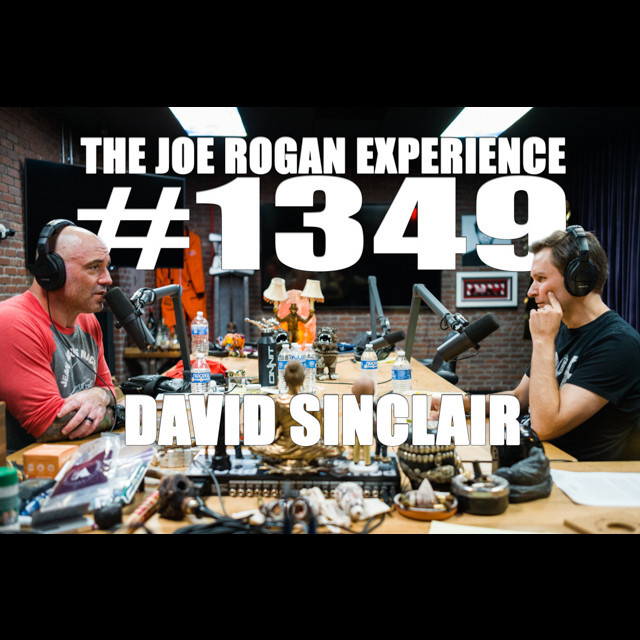
10-Sep-19
This podcast dives deep into the fascinating world of aging with Dr. David Sinclair, a leading researcher in the field of longevity. Sinclair’s groundbreaking work explores the mechanisms of aging, revealing potential pathways to not just slow down the aging process but potentially reverse it. The conversation touches upon provocative topics like the Horvath Clock, the effectiveness of various supplements like Metformin and Resveratrol, the role of exercise and fasting, and the potential of emerging technologies like CRISPR for rejuvenating cells and tissues. Underlying themes explore the scientific quest for extending lifespan, the complex interplay between lifestyle, genetics, and aging, and the ethical considerations surrounding genetic engineering and anti-aging interventions.
Major Topics:
1. The Horvath Clock: A New Way to Measure Biological Age:
- A groundbreaking discovery that measures aging based on chemical modifications in DNA, offering a more accurate gauge of biological age than traditional methods.
- The Horvath Clock can predict an individual’s biological age, potentially indicating their remaining lifespan.
- It’s not just a measure of aging; it’s believed to be an integral part of the aging process itself, offering a target for potential reversal.
- This discovery opens up exciting possibilities for developing interventions that could slow down or even reverse the aging process.
2. Metformin, DHEA, and Human Growth Hormone: A Promising Anti-Aging Cocktail?
- A study showing a significant reduction in biological age (2 biological years) in individuals taking these three supplements, sparking widespread interest in their potential anti-aging benefits.
- While promising, the study involved only 9 individuals, requiring further research to confirm these findings and explore potential long-term effects.
- The study highlights the potential of a combination approach to aging, suggesting that synergistic effects could be achieved by combining different interventions.
- Further research is crucial to determine the optimal dosages, combinations, and potential side effects of these supplements for long-term use.
3. The Role of NAD in Anti-Aging:
- NAD, a vital molecule involved in cellular energy production, declines with age, contributing to aging and disease.
- Supplements like NMN and NR can boost NAD levels, potentially mimicking the effects of fasting and promoting longevity.
- IV NAD, while popular, lacks conclusive scientific evidence for its effectiveness, requiring further research.
- The potential of boosting NAD levels offers a promising avenue for developing interventions that could promote longevity and reverse age-related decline.
4. The Impact of Exercise and Fasting on Aging:
- Exercise is a powerful tool for promoting longevity, but metformin may interfere with its benefits, suggesting the need for a pulsed approach.
- Fasting, particularly intermittent fasting, activates sirtuins, genes that extend lifespan, and promotes healthy aging.
- The optimal strategy involves combining exercise and fasting, but the ideal balance and timing require further investigation.
- The personalized approach to aging emphasizes tailoring exercise and fasting regimens to individual needs and responses.
5. The Role of Antioxidants in Aging:
- Antioxidants have been a major disappointment in the aging field, failing to extend lifespan in most cases.
- Resveratrol, initially thought to be an antioxidant, is now known to work by activating the body’s defenses against aging and disease.
- Resveratrol’s true mechanism involves stimulating sirtuins, key defenders of the body, rather than directly combating free radicals.
- This understanding shifts the focus from simply preventing damage to activating the body’s natural defense systems.
6. The Naturalness of Aging and Technological Interventions:
- The argument that aging is natural and therefore acceptable is challenged by Sinclair, who believes that it’s a preventable process.
- He argues that everything on Earth, including technology, is natural, including genetic engineering, which can be used to enhance human lifespan.
- This perspective opens the door to actively intervening in the aging process, utilizing technology to improve human health and longevity.
- Sinclair emphasizes that we’ve reached the natural lifespan limit and now have the opportunity to exceed it through scientific advancements.
7. The Impact of Diet on Longevity:
- The importance of a balanced diet, avoiding excessive sugar and processed foods, and incorporating colorful fruits and vegetables for their xenohormetic effects.
- The French paradox, where moderate red wine consumption is linked to longevity, is explained by the presence of polyphenols like Resveratrol and quercetin.
- The impact of different types of carbohydrates, highlighting the potential benefits of resistant starch found in cooked and cooled potatoes.
- Sinclair emphasizes the importance of individualized dietary approaches, with glucose monitoring and personalized plans based on individual responses.
8. The Importance of Sleep:
- Sleep deprivation has been directly linked to an increased risk of Alzheimer’s disease, underscoring the importance of getting adequate sleep.
- Sinclair recommends 6-7 hours of sleep nightly, highlighting the role of blue light blocking glasses for mitigating the negative effects of screen time before bed.
- The use of sleep aids like melatonin and Ambien should be approached with caution, as they may disrupt natural sleep cycles and have potential side effects.
- Prioritizing sleep is crucial for overall health, cognitive function, and potentially delaying the onset of age-related diseases.
9. The Potential of CRISPR for Genetic Engineering and Rejuvenation:
- CRISPR, a gene-editing tool, offers the potential to correct genetic defects and potentially reverse aging by reprogramming cells.
- Experiments are underway to use CRISPR to target specific genes, potentially preventing diseases like HIV and heart disease, and even enhancing cognitive abilities.
- Ethical considerations surrounding CRISPR are highlighted, with concerns about unintended consequences and the potential for misuse.
- The potential of CRISPR holds immense promise for medicine and longevity, but requires careful research, ethical oversight, and responsible implementation.
10. The Potential of Reprogramming Cells to Reverse Aging:
- Sinclair’s research focuses on reprogramming cells to a younger state, potentially reversing aging and restoring functionality.
- Experiments have shown the ability to rejuvenate the retina in mice, restoring vision and potentially reversing age-related decline in eye function.
- This technology could potentially be applied to other tissues and organs, offering hope for treating age-related diseases and injuries.
- Clinical trials are anticipated within the next few years, marking a significant step towards realizing the promise of this revolutionary technology.
11. The Role of Exosomes and Stem Cells in Rejuvenation:
- Exosomes, tiny compartments released by cells, carry rejuvenating factors that could potentially reverse aging and promote healing.
- Stem cell therapy, utilizing exosomes and other factors, has shown promise for treating injuries and promoting tissue regeneration.
- The use of exosomes and stem cells holds great potential for rejuvenating various tissues and organs, but further research is needed to optimize their therapeutic effects.
- The potential of exosomes and stem cells adds to the growing toolbox of anti-aging interventions, offering multiple avenues for combatting age-related decline.
12. The Controversy and Potential of Young Blood Transfusions:
- Studies in mice have shown that injecting young blood into older mice can rejuvenate tissues and improve cognitive function, but this has not been proven in humans.
- A company offering young blood transfusions to humans was shut down by the FDA, highlighting the ethical and safety concerns surrounding this approach.
- While the potential of young blood transfusions is intriguing, further research is needed to establish its safety and effectiveness in humans.
- The focus is shifting towards developing safe and effective alternatives that can achieve similar rejuvenating effects without relying on blood transfusions.
13. The Role of Senescent Cells in Aging:
- Senescent cells, often called “zombie cells,” accumulate with age and contribute to inflammation, disease, and aging.
- Senolytics, drugs designed to eliminate senescent cells, offer a potential pathway to reverse aging and promote longevity.
- Clinical trials are underway using senolytics to treat osteoarthritis, with potential applications for other age-related conditions.
- The discovery of senescent cells and the development of senolytics represent a significant breakthrough in understanding and potentially reversing aging.
14. The Importance of a Growth Mindset and Purpose in Life:
- Sinclair emphasizes the importance of a growth mindset, actively seeking knowledge and embracing challenges to combat age-related decline.
- He highlights the importance of having goals and purpose in life, which can contribute to happiness and satisfaction, even at older ages.
- The pursuit of knowledge, setting goals, and finding purpose can promote mental and emotional well-being, mitigating the negative effects of aging.
- This perspective encourages a proactive approach to aging, focusing on enriching experiences, personal growth, and contributing to society.
15. The Future of Longevity and the Potential for a Remarkable Future:
- Sinclair believes that we’re on the cusp of a revolution in longevity, with multiple promising interventions on the horizon.
- He highlights the potential of reprogramming cells, senolytics, and other interventions to not just extend lifespan but also improve healthspan, leading to healthier and more productive lives.
- The future holds the potential for reversing age-related decline, restoring function, and improving overall well-being.
- Sinclair’s optimism and passion for this research provide hope for a future where aging is no longer an inevitable decline but a journey of continuous growth and vitality.
Memorable Quotes
- “We’ve evolved to our natural lifespan. We’re now at a maximum, 120-122 is the longest-lived human that ostensibly is on record. So without intervention, we’ve reached our maximum. But why not now give us what evolution failed to give us?” – Sinclair emphasizes the potential for exceeding our natural lifespan through technological interventions.
- “What I think is going on is that metformin is interfering with the mitochondrial…mitochondrial…mitochondrial in the cell. Mitochondrial, we call them battery packs. They’re basically making chemical energy without that chemical energy, we’d be dead in about 20 seconds.” – Sinclair explains the role of mitochondria in cellular energy production and how metformin may affect their function.
- “…don’t tell me those fossils were put there by somebody? No. I mean, obviously not. But it is that the idea that a human being came from some lower hominid, which came originally from a shrew is so, so hard to follow.” – Sinclair humorously emphasizes the incredible journey of human evolution.
- “So we’re talking about Laird earlier…And Laird, I think, is 55 years old, and just as fucking fit as a human being can be. And he’s doing crazy shit where he’s got this whole exercise routine that he does inside the pool.” – Sinclair shares his admiration for Laird Hamilton’s remarkable fitness and resilience.
- “…it’s only been a year or less that we’ve known about this. So imagine 50 years from now what we can do, even 10. It’s gonna be a remarkable future.” – Sinclair emphasizes the rapid pace of scientific discovery and the potential for transformative advancements in the coming years.