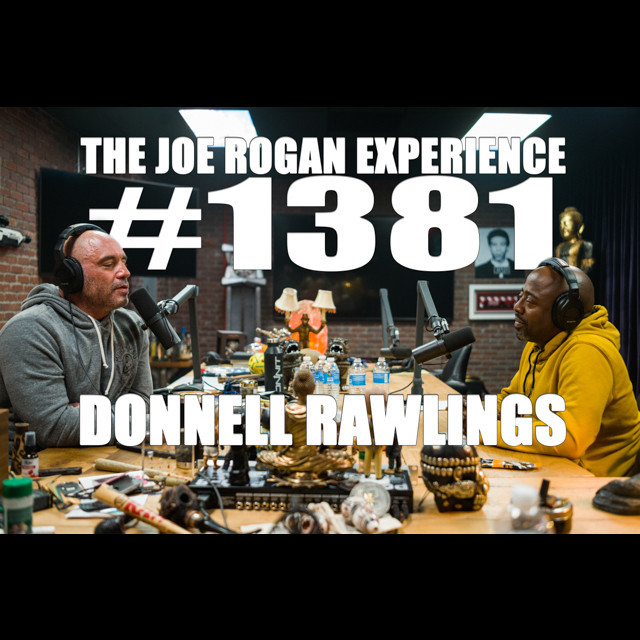
12-Nov-19
This podcast features a lively conversation between Joe Rogan and comedian Donnell Rawlings, delving into topics spanning from hip-hop and comedy to military experiences and social commentary. Rawlings’ sharp wit and insightful observations make for an entertaining and thought-provoking listen.
1. The Art of Spitting:
- Rawlings and Rogan discuss the lack of interest in freestyle rapping among their peers, questioning why they, as avid hip-hop fans, never practiced their own bars.
- They explore the idea of the “hot 16,” a popular rap trope, and the cultural significance of spitting lyrics.
- The conversation delves into the connection between listening to music and actively participating in its creation, highlighting the spontaneity of musical expression.
- This discussion ultimately prompts a deeper contemplation on the nature of talent, practice, and the willingness to step outside of one’s comfort zone.
2. The Impact of Sugarhill Gang:
- Rawlings fondly recalls the release of Sugarhill Gang’s “Rapper’s Delight,” acknowledging its revolutionary impact on the music scene and its role in shaping his youth.
- The conversation touches on the novelty of cassette tapes and their influence on music consumption, emphasizing the importance of physical media in the early days of hip-hop.
- Rawlings reflects on the cultural significance of the song, noting its ability to generate excitement and even romantic opportunities, emphasizing the power of music to shape cultural identity.
- This nostalgic conversation provides a glimpse into the evolution of music technology and the transformative power of music in shaping cultural landscapes.
3. Black Community’s Relationship with Hip-Hop:
- Rawlings discusses the often-critical reception of white rappers within the black community, highlighting the expectations and standards set for those who enter the genre.
- They explore the role of mentorship and the importance of black artists supporting one another, creating a sense of community and fostering a sense of belonging.
- Rawlings uses Eminem as an example of an artist who defied these expectations, ultimately earning respect through his consistent talent and dedication to the craft.
- This discussion delves into the complexities of race, identity, and artistic expression within the realm of hip-hop, revealing the challenges and opportunities inherent in navigating cultural expectations.
4. Military Life and Comedy:
- Rawlings shares his experiences in the military, acknowledging his constant struggles with disciplinary actions due to his comedic nature.
- He reveals the pressures of undergoing frequent random drug tests and the constant threat of expulsion for his playful behavior.
- Rawlings details the unique experiences of serving in Korea, including the lack of a drinking age and the prevalence of alcohol rations.
- This personal anecdote highlights the tension between upholding authority and expressing individuality, while also showcasing how humor can serve as both a coping mechanism and a source of trouble.
5. Boxing and Brain Trauma:
- Rawlings and Rogan discuss the prevalence of brain trauma among boxers, highlighting the lasting consequences of repeated head injuries.
- They focus on the story of Riddick Bowe, who turned to the Marines as a form of self-discipline, showcasing the struggles of athletes who have faced significant trauma in the ring.
- They touch on the complexities of retirement in combat sports, acknowledging the challenges of transitioning back to a normal life and the potential for cognitive decline.
- This conversation delves into the dark side of competitive sports, revealing the physical and mental toll that can be taken on athletes and the importance of prioritizing long-term health.
6. The Impact of Mike Tyson:
- Rawlings expresses admiration for Mike Tyson’s comedic side, emphasizing the contrast between his public persona as a formidable boxer and his more endearing personality off-screen.
- They discuss a memorable interview with Tyson where he confronts a disrespectful interviewer, showcasing his ability to stand up for himself and maintain his composure in a heated situation.
- Rawlings praises Tyson’s ability to reinvent himself after a tumultuous career, highlighting his transition into a more introspective and positive figure.
- This exploration of Tyson’s career highlights the complexities of fame, resilience, and the potential for personal growth even after significant adversity.
7. The George Foreman Grill:
- Rawlings and Rogan engage in a humorous back-and-forth about the George Foreman Grill, with Rawlings expressing a fondness for the appliance and Rogan jokingly suggesting that elk is not an appropriate food to cook on it.
- The conversation highlights the Grill’s practicality for single individuals and its ability to create gourmet-looking food, emphasizing the simplicity and convenience of this popular kitchen tool.
- They also touch on the topic of cooking wild game, with Rawlings emphasizing the importance of slow cooking and Rogan offering to provide him with some elk meat to experiment with.
- This lighthearted exchange exemplifies the playful camaraderie between the two, while also revealing their shared appreciation for cooking and exploring different culinary techniques.
8. The Power of Sous Vide:
- Rawlings and Rogan discuss the benefits of sous vide cooking, emphasizing its ability to create perfectly cooked meat with consistent texture and tenderness.
- They highlight the technique’s suitability for wild game, noting its ability to prevent the meat from drying out, showcasing the appliance’s versatility.
- Rawlings shares his own experiences with sous vide, demonstrating his willingness to embrace new culinary methods and experiment with different techniques.
- This conversation provides a glimpse into the growing popularity of sous vide cooking and its potential to transform the way people approach their culinary practices.
9. The Death of Lenny Bias:
- Rawlings discusses the tragic death of Lenny Bias, a promising basketball player who died of a drug overdose, highlighting the impact of his loss on the black community.
- He emphasizes the weight of expectations placed on individuals who break out of poverty and the potential for downfall when those expectations become overwhelming.
- Rawlings underscores the importance of community support and the need for resources to help individuals navigate the complexities of success and social mobility.
- This poignant discussion explores the consequences of systemic inequalities and the need for continued support and resources for those who struggle to break free from cycles of poverty and despair.
10. The Rise of Fentanyl:
- Rawlings expresses concern about the growing epidemic of fentanyl-related deaths, highlighting the dangers of this potent opioid and the fact that it is often unknowingly ingested in other substances.
- He shares personal anecdotes about his own experience with prescription painkillers and the ease with which addiction can develop.
- Rawlings delves into the potential causes of addiction, suggesting that it can stem from trauma and abuse, providing a broader context for understanding the complex nature of addiction.
- This conversation raises awareness about the dangers of opioids and the need for better prevention and treatment options to combat this growing public health crisis.
11. Mental Health in the Black Community:
- Rawlings acknowledges the stigma surrounding mental health within the black community, highlighting the reluctance to seek help and the tendency to rely on self-medication.
- He emphasizes the importance of addressing mental health issues openly and providing accessible resources for those who need them, challenging the perception that mental health is a taboo subject.
- Rawlings highlights the universality of mental health struggles, emphasizing that everyone experiences challenges in life and that seeking support is not a sign of weakness but rather a sign of strength.
- This discussion sheds light on the importance of fostering a more supportive and understanding environment around mental health issues, advocating for greater awareness and accessibility to resources for all communities.
12. The Power of Community:
- Rawlings discusses the importance of strong social connections and having people to rely on, highlighting the role of family and friends in providing support and fostering a sense of belonging.
- He emphasizes the detrimental impact of loneliness and the need to combat social isolation, particularly in the digital age, where it can be easy to feel disconnected from real-life relationships.
- Rawlings notes that genuine human connection is essential for mental well-being, advocating for the cultivation of strong support systems and the rejection of artificial online interactions.
- This conversation underscores the importance of fostering genuine human connection in the digital age, promoting the creation of supportive and meaningful relationships that combat isolation and loneliness.
13. The Nature of Comedy:
- Rawlings discusses the importance of constantly testing one’s material and pushing boundaries in comedy, emphasizing the role of live performances in refining and developing jokes.
- He highlights the value of working in smaller, more intimate settings, noting that these experiences can be more challenging but ultimately lead to greater growth and improvement.
- Rawlings distinguishes between “money comics” who are primarily motivated by financial gain and those who are passionate about the art of comedy, emphasizing the importance of staying true to one’s creative vision.
- This exploration of comedy reveals the dedication and discipline required to excel in this challenging field, highlighting the importance of constant practice, experimentation, and a genuine love for the craft.
14. The Role of Mentors in Comedy:
- Rawlings discusses the significance of mentors in his comedic journey, highlighting the influence of individuals like Fat Doctor and Tony Woods, who provided guidance and support.
- He describes the specific lessons learned from these mentors, including the importance of working diverse audiences, mastering stage presence, and navigating the challenges of the comedy world.
- Rawlings emphasizes the power of observing and learning from other comedians, highlighting the mentorship that can occur even without explicit guidance.
- This reflection on mentorship highlights the collaborative and supportive nature of comedy, showcasing the crucial role that mentors play in guiding and inspiring aspiring comedians.
15. The Impact of Chappelle’s Show:
- Rawlings reminisces about his experiences on “Chappelle’s Show,” emphasizing the show’s cultural impact and the lasting significance of its sketches.
- He reflects on the creation of the “Black KKK” sketch, highlighting the creative process and the bravery it took to tackle such a controversial topic.
- Rawlings emphasizes the show’s lasting legacy, acknowledging its influence on the comedy world and its ability to spark important conversations about race, identity, and social issues.
- This discussion highlights the importance of comedy as a platform for social commentary, demonstrating the power of satire to challenge societal norms and ignite meaningful dialogue.
16. The Allure of Social Media:
- Rawlings discusses the pitfalls of social media, highlighting the pressure to present a perfect image and the tendency to engage in constant validation-seeking behavior.
- He reflects on the popularity of phone-free comedy shows, acknowledging the benefits of disconnecting from the digital world and experiencing live performance in the present moment.
- Rawlings shares his own experiences with social media, recognizing its potential to be both a valuable tool and a source of distraction and anxiety.
- This conversation sheds light on the complexities of social media in the modern age, prompting viewers to consider the impact of their digital interactions on their well-being and their ability to engage authentically with the world around them.
17. The Importance of Generational Wealth:
- Rawlings discusses the importance of building generational wealth and the role of real estate in achieving financial security, highlighting the need to break free from cycles of poverty and create lasting economic stability.
- He emphasizes the importance of mentorship and education in empowering individuals to make informed financial decisions and create opportunities for future generations.
- Rawlings uses the example of Nipsey Hussle as a role model, highlighting his commitment to community development and his efforts to uplift others.
- This discussion delves into the broader issue of systemic inequality and the need for proactive steps to address economic disparity, emphasizing the importance of providing opportunities for all communities to thrive.
18. The Politics of America:
- Rawlings expresses frustration with the current political climate, highlighting the divisive nature of partisan politics and the tendency to engage in unproductive arguments.
- He emphasizes the importance of finding common ground and promoting civility in discourse, advocating for a more constructive approach to political debate.
- Rawlings questions the effectiveness of government intervention in addressing social issues, suggesting that a more localized approach may be more effective in bringing about positive change.
- This discussion explores the complexities of American politics, prompting viewers to consider the role of individual responsibility, community involvement, and a more collaborative approach to tackling societal challenges.
19. The Gun Control Debate:
- Rawlings explores the complexities of the gun control debate, acknowledging the right to bear arms but also expressing concern about the prevalence of gun violence.
- He shares his perspective as a black man, highlighting the historical context of gun violence in the black community and the specific anxieties that arise when confronting the issue of gun ownership.
- Rawlings suggests that addressing the root causes of crime and violence, such as poverty and lack of opportunity, may be more effective than simply restricting access to firearms.
- This nuanced discussion delves into the multifaceted nature of gun control, prompting viewers to consider the societal factors that contribute to gun violence and the need for a comprehensive approach to tackling this complex issue.
20. The Wild West and the Comanche:
- Rawlings and Rogan engage in a fascinating conversation about the history of the Comanche tribe and their encounters with European settlers, drawing on insights from the book “Empire of the Summer Moon.”
- They discuss the Comanche’s mastery of horseback riding and their effectiveness as hunters, highlighting their unique way of life and their dominance over the western landscape.
- Rawlings expresses fascination with the Comanche’s brutality and their tactics for warfare, highlighting the stark contrast between their nomadic way of life and the modern world.
- This exploration of history provides a glimpse into a different time and a different way of life, prompting viewers to consider the complexities of cultural encounters and the evolution of society over time.
21. The Mystery of Female Magicians:
- Rawlings and Rogan explore the lack of female representation in the world of magic, questioning why this art form has not seen a greater presence of female performers.
- They humorously discuss the potential reasons for this absence, suggesting that the “liar” aspect of magic might be perceived differently by women.
- They also explore the possibility that magic might be more closely associated with male-dominated cultural norms and traditions.
- This lighthearted yet insightful conversation prompts viewers to consider the potential biases and social barriers that might exist within the world of magic, raising questions about the importance of promoting diversity and representation in all areas of creative expression.
22. The Power of the Podcast:
- Rawlings and Rogan discuss the growing popularity of podcasts, highlighting their ability to provide a platform for diverse voices and perspectives.
- They emphasize the unique intimacy of podcasts, noting that they allow for more in-depth conversations and a greater sense of connection between hosts and listeners.
- Rawlings expresses his desire to launch his own podcast, recognizing its potential to reach a wider audience and share his own unique perspective on the world.
- This conversation reflects the evolving media landscape and the growing influence of podcasts as a form of entertainment and social commentary, highlighting their potential to empower individuals and foster meaningful dialogue.
5 Memorable Quotes:
- “If you don’t have anybody that’s telling you the truth or lying, you know, and there’s and there’s a lot of people out there that are real lonely that only exist on the Internet. You know, Internet is the the Internet is the most fabricated, lonely place in the world.”
- “You gotta say what you wanna say. Right. You know? And there was There was a comic I won’t mention their name, but they wrote a critical article about Dave and Styx and Stones. And the thing that I found interesting was that they wrote a they were a comedian writing a critical article, which is all fucked up.”
- “The asshole could be in anything. It could be gay. It could be in white. It could be anything. Take the ass a look. And you said it. Yo. Just what is so hard, Joe? About being nice. What’s so hard?”
- “People have died it or the ones that go for I think a strong community is important, you know, like having a lot of people around you that you love, you know, family, friends. Like, that’s that’s important too. People that you could talk to. Like, fit what you feel loved.”
- “If you can’t handle that, don’t read it. But you’re not reading Are you listening to it, son? You’re right. You listen to it. I’ll listen to it. Yeah. Is that better than reading it? It’s just I can do it in my car. I’m always driving around.”