16-Nov-19
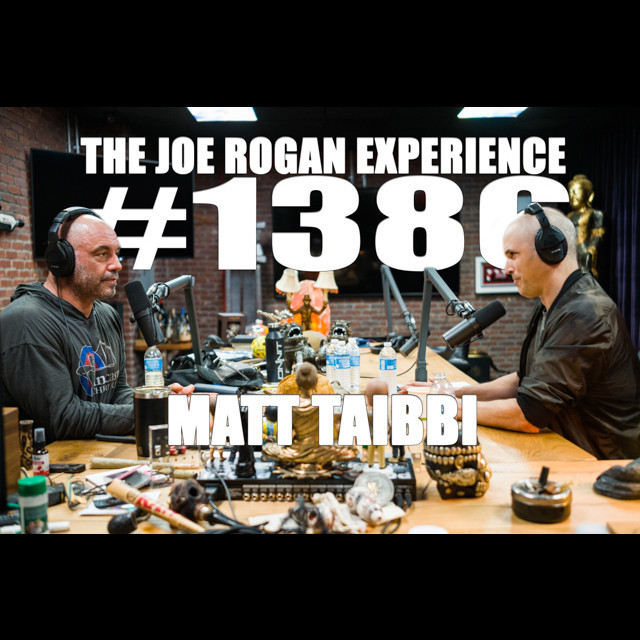
This podcast features journalist and author Matt Taibbi discussing a range of topics, including his latest book “Hate, Inc.: Why Today’s Media Makes Us Despise One Another”. Taibbi delves into the evolution of media, the impact of the internet on journalism, and the nature of political discourse in the digital age. He tackles provocative and controversial subjects like the Epstein case, the influence of intelligence agencies, and the dangers of censorship. This episode is a thought-provoking exploration of the media landscape and its profound impact on society.
Major Topics:
-
The Epstein Case and the Media’s Response:
- Taibbi explores the Epstein case as a blatant public murder of a crucial witness, highlighting the minimal outrage and lack of media coverage.
- He discusses how the story vanished from the headlines almost immediately after Epstein’s death, despite its potential to be the biggest news story in history.
- Taibbi examines the pressure faced by media outlets to avoid stories that implicate powerful figures, suggesting the story’s bipartisan nature as a key factor in its suppression.
- He compares the Epstein case to the Jamal Khashoggi murder, highlighting the blatant nature of both, while emphasizing the complexities and foreign actors involved in the latter case.
-
The Transformation of Media in the Digital Age:
- Taibbi argues that the internet has fundamentally changed the business model of journalism, driving media outlets to monetize anger and division.
- He discusses how the pursuit of clicks and eyeballs has led to a shift away from objective reporting and towards narratives that reinforce audience beliefs.
- Taibbi reflects on the pressure he faces to conform to specific narratives, particularly regarding the Russia story, and the dangers of limiting discourse to predetermined perspectives.
- He highlights the rise of social media platforms and the role of algorithms in shaping information consumption, emphasizing how platforms incentivize outrage and engagement.
-
The Dangers of Censorship and De-Platforming:
- Taibbi expresses concerns about the growing influence of tech giants like Google and Facebook on free speech, highlighting their ability to control information flow and silence opposing viewpoints.
- He argues against the notion that de-platforming is a viable solution to harmful speech, advocating for the power of free speech and open dialogue to challenge harmful ideas.
- Taibbi points to the inconsistency of censorship policies on social media platforms, highlighting the arbitrary and often politically motivated nature of de-platforming decisions.
- He discusses the chilling effect of de-platforming on free speech, emphasizing how it discourages individuals from expressing controversial ideas and promotes conformity.
-
The “Outrage Economy” and Its Impact on Politics:
- Taibbi analyzes the “outrage economy,” where social media algorithms incentivize engagement with content that elicits strong emotions, often anger.
- He examines how this dynamic contributes to political polarization and the rise of figures like Donald Trump, who capitalize on existing anger and frustration.
- Taibbi discusses how the economic incentives of social media platforms, fueled by advertising revenue, encourage the amplification of divisive content.
- He warns about the potential for censorship and manipulation by social media companies, comparing it to the control exercised by authoritarian regimes in other countries.
-
The Impact of Social Media on Journalism and Political Discourse:
- Taibbi explores how social media has blurred the lines between objective reporting and opinionated commentary, contributing to a decline in trust in traditional media outlets.
- He discusses the pressure on journalists to conform to specific narratives and the dangers of losing the ability to challenge audiences and hold powerful figures accountable.
- Taibbi emphasizes the importance of critical thinking and independent journalism in providing audiences with a diverse range of perspectives.
- He highlights the potential of podcasts and other alternative media formats to provide audiences with more in-depth and engaging content.
-
The Future of Journalism in a Digital Age:
- Taibbi expresses concerns about the future of journalism, highlighting the declining trust in traditional media outlets and the challenges of adapting to the digital landscape.
- He discusses the importance of independent journalism in providing a counterpoint to the increasingly polarized and commercialized media landscape.
- Taibbi is optimistic that new platforms and formats will emerge to meet the growing demand for objective and engaging journalism.
- He emphasizes the need for journalists to be independent, truthful, and willing to challenge both audiences and powerful figures.
-
Donald Trump and the Political Landscape:
- Taibbi analyzes the rise of Donald Trump, highlighting his ability to capitalize on anger and resentment, and his role in shaping political discourse.
- He discusses Trump’s unconventional communication style, his use of trolling and provocative rhetoric, and his impact on the media landscape.
- Taibbi speculates on Trump’s possible use of stimulants, examining the potential influence of such substances on his energy and behavior.
- He compares Trump’s political strategy to a 3D chess game, where provocative actions are used to manipulate public opinion and achieve political goals.
-
The 2020 Election and its Implications:
- Taibbi discusses the upcoming 2020 election, speculating on the potential impact of Trump’s rhetoric and political strategy on the outcome.
- He analyzes Joe Biden’s candidacy, highlighting his perceived weaknesses and the challenges he faces in confronting Trump’s aggressive tactics.
- Taibbi expresses concerns about the potential for political polarization and increased division as a result of the election.
- He discusses the importance of independent journalism in providing voters with accurate and unbiased information.
-
The Role of Comedy in a Polarized Society:
- Taibbi examines the role of comedy in a polarized society, highlighting the importance of humor in challenging conventional norms and provoking thought.
- He discusses the challenges faced by comedians in navigating the increasingly sensitive and politically charged landscape.
- Taibbi reflects on the value of controversial and thought-provoking comedy, citing examples like Dave Chappelle and Bill Burr.
- He argues that comedy can provide a valuable outlet for expressing uncomfortable truths and challenging societal norms.
-
The Evolution of Journalism Ethics:
- Taibbi examines the changing landscape of journalism ethics, discussing the shift from a focus on objective reporting to a more opinionated and editorialized approach.
- He reflects on the importance of holding journalists accountable for their work, especially in an era of misinformation and social media influence.
- Taibbi expresses concerns about the decline in investigative journalism and the pressures on reporters to conform to specific narratives.
- He argues that true journalism requires independence, critical thinking, and a commitment to truth-seeking.
5 Memorable Quotes:
- “I don’t think speed is a great drug. I mean, you get a lot of stuff done. So that’s that’s good. But but yeah. No. I think there’s a lot of people who are on it now, and and also a lot of this because kids come up through school and they’re on it too. You know? And they they get used to it.”
- “When people think that you don’t want them to see something, they’re gonna run through it twice as hard. You know? I I just don’t understand a lot of that instinct. I think people people have this idea that it works, that, you know, the deplatforming works, but you can’t deplatform an idea. You know?”
- “You can’t write well unless you can, you know, screw up too. You know what I mean? Like, on the way to to to being creative in a good way, you have to miss. Yes. You know? And if missing is not allowed, and there’s high punishment for missing. You’re not gonna get art. Yeah. You’re not gonna get revelation. You’re not gonna get all these things.”
- “Trump Trump kinda fills that role for a lot of porters now. And then they all a lot of them try to behave in the same way that their characters behave in that book. So you remember Frank Mankiewicz was was McGovern’s sort of handler, and he was having beers with with Thompson after the events and kinda you know, strategizing with them.”
- “It’s so easy to call someone a big hit. It’s so easy to call someone a racist, and it’s so easy to say fake news. And all the they all have the same sort of effect. They just diminish anything that you have to say almost instantaneously.”