22-Nov-19
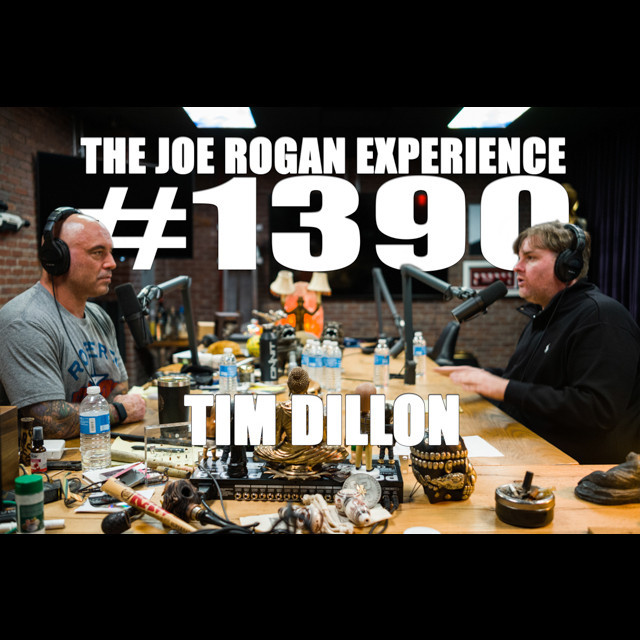
This Joe Rogan podcast with Tim Dillon features a wild and humorous conversation about various topics, often delving into provocative and controversial subjects. The dynamic duo explores the absurdity of modern culture, the nature of fame, and the dark underbelly of society.
Podcast Topics
-
Meghan McCain:
- Dillon’s comedic portrayal of Meghan McCain, including his physical impersonation and mimicking her voice, sparks humor and controversy.
- He satirizes her self-proclaimed “self-made woman” status, emphasizing her privileged background and reliance on her father’s legacy.
- The conversation touches on the challenges of being a public figure on a controversial show and the constant pressure to address her father’s political influence.
- Dillon’s take on Meghan McCain highlights the absurdity of public persona and the constant scrutiny faced by those in the spotlight.
-
The Evolution of Morning Shows:
- The podcast reflects on the changing landscape of morning shows, from the more traditional format to the increasingly chaotic and opinionated approach.
- They discuss the transition from shows like “The View” with Rosie O’Donnell’s unconventional commentary to the current climate of “vagina battle zones” with political clashes.
- Dillon and Rogan highlight the contrast between the open and unfiltered nature of their conversation compared to the tightly controlled and often politically charged nature of mainstream morning shows.
- This analysis offers a critique of the manufactured drama and limited discourse prevalent in the media landscape.
-
The Rise of “Fan Bots”:
- Dillon explores the phenomenon of “Fan Bots,” attractive women who often align themselves with right-wing ideologies, and the monetization of their online presence.
- He discusses how they leverage their appearance to gain a following and influence a specific audience, often promoting anti-immigration and conservative viewpoints.
- The conversation delves into the business model of these “Fan Bots,” recognizing the market for their content and the power dynamics involved.
- Dillon’s analysis critiques the exploitation of appearance for political gain and the normalization of these figures in the public discourse.
-
Candice Owens:
- Candice Owens is recognized as a prominent “Fan Bot” known for her sharp intellect and often controversial opinions.
- Dillon acknowledges Owens’ intelligence and debating skills, while also expressing his disagreement with some of her viewpoints.
- He highlights Owens’ ability to shut down critics and confront accusations of racism, demonstrating her mastery of argumentation.
- This segment delves into the power dynamics of online debate and the challenges of navigating complex and sensitive political issues in a polarized environment.
-
The “Midget” Conspiracy:
- Dillon and Rogan discuss a bizarre and unsettling story about a woman with a growth disorder who was adopted as a child by a couple but later revealed to be an adult.
- The story is framed as a darkly comedic scenario, with Dillon using humor to explore the unsettling reality of the situation.
- They delve into the psychological implications of the adoption, the woman’s alleged violent behavior, and the family’s struggles to navigate the situation.
- This topic highlights the complexities of human identity, the potential for deception, and the blurred lines between childhood and adulthood.
-
Dealing with Online Hate:
- Dillon reflects on the constant exposure to negativity and hate comments on social media platforms.
- He discusses the challenges of navigating online criticism, acknowledging that some comments can be hurtful but recognizing the reality of the internet landscape.
- Dillon’s approach involves confronting negativity, recognizing the motivations behind hate comments, and refusing to let them affect him personally.
- This segment sheds light on the mental toll of online criticism and the need for resilience in the face of relentless negativity.
-
The Absurdity of Fame:
- Dillon and Rogan discuss the strange aspects of fame, particularly the constant requests for photos and the pressure to maintain a public persona.
- They highlight the disconnect between the reality of celebrity life and the public perception, emphasizing the often-unpleasant encounters with fans.
- Dillon’s experiences with fans and the media underscore the challenges of navigating fame and the need for boundaries to maintain sanity.
- This segment questions the value of fame and the often-unrealistic expectations placed upon those in the spotlight.
-
The Reality of Reality TV:
- Dillon shares his experiences on “Fear Factor,” revealing the repetitive and often dangerous nature of the show.
- He discusses the pressure to deliver extreme stunts and the moral dilemmas associated with participating in the show.
- Dillon’s perspective highlights the exploitation of contestants for entertainment and the ethical concerns surrounding the risks involved.
- This segment critiques the exploitative nature of reality TV and the human cost behind the entertainment value.
-
The Impact of Social Media:
- Dillon and Rogan explore the influence of social media on public opinion and political discourse.
- They discuss the rise of “woke culture” and the backlash against it, highlighting the growing polarization and animosity in online spaces.
- The conversation delves into the impact of social media algorithms and the monetization of outrage, highlighting how these factors shape the public narrative.
- This segment examines the complex relationship between social media, political ideologies, and the erosion of civil discourse.
-
The Epstein Scandal:
- Dillon and Rogan delve into the disturbing details of Jeffrey Epstein’s sex trafficking operation, emphasizing the shocking nature of the case and its implications for power structures.
- They explore the possibility of a cover-up, citing the suspicious circumstances surrounding Epstein’s death and the potential involvement of influential figures.
- Dillon and Rogan discuss the implications for the justice system and the potential for future investigations, highlighting the need for accountability.
- This segment delves into the dark underbelly of power, the manipulation of influence, and the enduring nature of corruption within society.
-
The “Autistic” Spectrum:
- Dillon and Rogan touch on the increasing prevalence of autism diagnoses, discussing the challenges of identifying and understanding the spectrum.
- They engage in a humorous but thought-provoking conversation about the social implications of autism and the need for understanding and compassion.
- This segment raises questions about the changing social landscape and the evolving understanding of neurodiversity.
- Dillon’s perspective highlights the need for empathy and the complexities of navigating social expectations in a world with diverse neurotypes.
-
The “Deep State”:
- The podcast touches on the concept of the “deep state,” a shadowy network of government officials and agencies allegedly operating behind the scenes.
- Dillon and Rogan discuss the potential for this network to influence political events and manipulate information.
- This segment delves into the theory of a powerful, hidden force shaping events, raising questions about the transparency of government and the influence of hidden agendas.
- Dillon’s perspective reflects a skepticism toward authority and a belief that powerful forces often operate beyond public scrutiny.
-
The South Dakota Meth Campaign:
- Dillon and Rogan react with incredulity to a bizarre anti-meth campaign in South Dakota, finding humor in the absurdity of the messaging.
- They critique the campaign’s tone and messaging, highlighting the potential for unintended consequences and the overall lack of effectiveness.
- This segment serves as a satirical commentary on government initiatives and the often-flawed approach to tackling complex social issues.
- Dillon and Rogan’s reaction highlights the need for thoughtful and effective strategies when addressing public health concerns.
-
The Future of Comedy:
- Dillon and Rogan discuss the changing landscape of comedy and the impact of online platforms.
- They explore the potential for YouTube to crack down on creators who challenge societal norms and the limitations of mainstream media.
- The conversation delves into the future of comedy in a world shaped by algorithms and the increasing control of online platforms.
- This segment reflects on the future of free speech and the ability for comedians to push boundaries in a rapidly evolving media landscape.
-
The Role of Conspiracy Theories:
- Dillon and Rogan discuss the increasing prevalence and acceptance of conspiracy theories in modern society.
- They explore the appeal of these theories, recognizing the human desire for meaning and explanation in a complex world.
- The conversation acknowledges the potential dangers of conspiracy theories while also acknowledging the role they play in challenging established narratives.
- Dillon’s perspective highlights the importance of critical thinking and the need to navigate the complexities of information in a post-truth era.
-
The JFK Assassination:
- Dillon and Rogan delve into the enduring mystery of the JFK assassination, exploring the various theories and unanswered questions.
- They discuss the potential for a cover-up, highlighting the suspicious circumstances surrounding the event and the potential involvement of powerful figures.
- This segment explores the enduring fascination with historical mysteries and the human desire for truth in the face of ambiguity.
- Dillon and Rogan’s conversation reflects a skepticism toward official narratives and a willingness to question established truths.
-
The “9/11” Conspiracy Theories:
- Dillon and Rogan touch on the various conspiracy theories surrounding the 9/11 attacks, acknowledging the enduring skepticism and debate.
- They highlight the unanswered questions and the suspicious circumstances surrounding the events, specifically the collapse of Building 7.
- This segment explores the complexities of truth and evidence in the face of challenging events and the potential for manipulation.
- Dillon’s perspective encourages a questioning of official narratives and a search for the full truth, even in the face of uncertainty.
-
The Future of Humanity:
- Dillon and Rogan discuss the potential impact of automation and AI on the future of humanity.
- They explore the potential for job displacement, social unrest, and the rise of a dystopian future dominated by technology.
- This segment delves into the philosophical implications of technological advancements and the existential questions surrounding the role of humans in a rapidly changing world.
- Dillon’s perspective reflects a cautious optimism tempered by concerns about the potential consequences of uncontrolled technological development.
-
The “Eating Babies” Conspiracy:
- Dillon and Rogan discuss a viral video that appears to depict a supporter of Alexandria Ocasio-Cortez advocating for cannibalism.
- They find humor in the absurdity of the situation, exploring the potential for a hoax or a genuine case of mental illness.
- This segment highlights the absurdity of online culture and the ease with which misinformation and sensationalism can spread.
- Dillon and Rogan’s conversation underscores the importance of critical thinking and the need to navigate the complexities of online information.
-
The “Dirtiest” Games in Hollywood:
- Dillon and Rogan discuss the cutthroat nature of the entertainment industry, highlighting the potential for exploitation and abuse.
- They explore the power dynamics of contracts and the often-unfair treatment of artists, particularly in the music industry.
- This segment delves into the dark underbelly of the entertainment industry, highlighting the potential for exploitation and the struggles of artists to maintain control of their careers.
- Dillon’s perspective reflects a cynical view of the industry’s practices and the need for artists to be aware of the potential pitfalls.
-
The Power of Cults:
- Dillon and Rogan discuss the allure and dangers of cults, exploring the psychological vulnerabilities that can lead individuals to join these groups.
- They highlight the manipulative tactics employed by cult leaders and the difficulty of escaping their influence.
- This segment delves into the psychological complexities of cult dynamics and the power of belief systems to shape individuals’ actions and perceptions.
- Dillon and Rogan’s conversation reflects a concern for those who fall victim to cults and the need for support and understanding.
-
The Art of Sales:
- Dillon and Rogan discuss the psychology of sales, exploring the techniques used by successful salespeople to persuade and manipulate.
- They highlight the often-formulaic nature of sales pitches and the power of charisma and confidence.
- This segment delves into the world of persuasion and the social dynamics that drive consumer behavior.
- Dillon’s perspective offers a cynical but insightful look at the often-unseen tactics used in the business world.
-
The Future of Politics:
- Dillon and Rogan explore the potential for online personalities and YouTubers to rise to political prominence.
- They discuss the shifting landscape of politics and the potential for a new generation of leaders to emerge from the internet.
- This segment explores the impact of social media on political campaigns and the potential for online platforms to disrupt traditional power structures.
- Dillon and Rogan’s conversation reflects a fascination with the changing dynamics of power and the potential for unexpected outcomes in the political arena.
-
The Power of the Algorithm:
- Dillon and Rogan discuss the influence of algorithms on our online experiences and the potential for manipulation.
- They explore how algorithms shape our feeds, control the information we consume, and influence our opinions.
- This segment delves into the impact of AI on our lives and the potential for algorithms to shape our worldviews and behaviors.
- Dillon and Rogan’s conversation highlights the need for critical thinking and the importance of understanding how algorithms operate.
-
The “Luddites” of the Future:
- Dillon and Rogan speculate on the possibility of a future backlash against technology.
- They discuss the potential for a movement of “Luddites” who resist technological advancements and seek to preserve a more traditional way of life.
- This segment explores the potential for a social and cultural shift in response to the rapid pace of technological development.
- Dillon and Rogan’s conversation reflects a concern for the potential consequences of unchecked technological progress and the need for responsible innovation.
-
The Importance of “Screen Time”:
- Dillon and Rogan discuss the importance of limiting “screen time” for children, recognizing the potential for addiction and negative impacts on development.
- They explore the need for parents to be aware of the dangers of excessive technology use and to create healthy boundaries for their children.
- This segment highlights the importance of fostering healthy relationships with technology and the need for parents to play an active role in shaping their children’s digital experiences.
- Dillon and Rogan’s conversation reflects a concern for the well-being of future generations and the need to approach technology with caution and responsibility.
-
The “Agent Provocateur”:
- Dillon and Rogan discuss the role of “agent provocateurs” in inciting violence and unrest at protests.
- They explore the history of these tactics and their use by government agencies to discredit and undermine movements.
- This segment delves into the shadowy world of political manipulation and the potential for powerful forces to control public narratives.
- Dillon’s perspective reflects a distrust of authority and a belief that government agencies often operate with hidden agendas.
-
The “Franklin Scandal”:
- Dillon and Rogan discuss the “Franklin Scandal,” a controversial case involving alleged sex trafficking and the potential involvement of high-profile figures.
- They explore the cover-up attempts, the silenced victims, and the potential for a deeper conspiracy.
- This segment delves into the history of political corruption and the potential for powerful individuals to abuse their positions.
- Dillon’s perspective reflects a cynicism toward institutions and a belief that corruption often operates beneath the surface of society.
-
The JFK Memorial:
- Dillon visits the site of JFK’s assassination in Dallas, reflecting on the enduring mystery and the conspiracy theories surrounding the event.
- He explores the potential for a cover-up and the conflicting narratives surrounding Oswald’s role in the assassination.
- This segment delves into the history of the assassination and the ongoing debate over the official account of events.
- Dillon’s perspective encourages a questioning of established narratives and a willingness to consider alternative explanations.
-
The Impact of 9/11 on First Responders:
- Dillon and Rogan discuss the long-term health consequences faced by first responders at Ground Zero, highlighting the potential for cancer and other illnesses.
- They explore the lack of transparency and the potential for government cover-ups regarding the risks associated with the aftermath of the attacks.
- This segment delves into the human cost of major events and the responsibility of authorities to protect the health and well-being of those involved.
- Dillon and Rogan’s conversation reflects a concern for those who have been affected by the events of 9/11 and the need for accountability and justice.
-
The “Dirty Game” of Child Acting:
- Dillon and Rogan discuss the potential for exploitation in the world of child acting, highlighting the vulnerability of children and the pressure to succeed.
- They explore the dark side of the entertainment industry and the potential for abuse, citing examples of child stars who have struggled in the aftermath of their fame.
- This segment delves into the ethical considerations of using children in the entertainment industry and the need for protection and support.
- Dillon’s perspective reflects a concern for the well-being of children and the need for responsible practices in the industry.
-
The “Marathon” of a Comedy Career:
- Dillon and Rogan discuss the challenges of maintaining a comedy career, highlighting the constant need for hustle, self-motivation, and the pressure to succeed.
- They explore the mental and emotional toll of performing and the potential for burnout, emphasizing the importance of resilience and a strong support system.
- This segment delves into the realities of a comedy career and the dedication and perseverance required to make it in a competitive industry.
- Dillon’s perspective offers insights into the highs and lows of a comedy career and the importance of passion and dedication.
-
The “Keto” Lifestyle:
- Dillon discusses his experience with the keto diet, highlighting both the benefits and challenges of the lifestyle.
- He explores the importance of finding the right balance and the potential for the diet to be difficult to maintain in certain environments.
- This segment delves into the world of diet and fitness, offering insights into the personal choices and struggles associated with maintaining a healthy lifestyle.
- Dillon’s perspective reflects a commitment to self-improvement and a willingness to experiment with different approaches to health and wellness.
-
The Danger of “Aggressive Parks”:
- Dillon and Rogan discuss the dangers of wildlife encounters in urban parks, particularly the potential for attacks by coyotes.
- They explore the increasing presence of wildlife in urban areas and the need for caution and awareness.
- This segment highlights the complex relationship between humans and nature and the importance of respecting wildlife.
- Dillon’s perspective reflects a sense of humor mixed with caution, highlighting the need for balance when navigating the natural world.
-
The Rise of “Housewife Boxing”:
- Dillon and Rogan discuss the growing trend of “housewife boxing,” highlighting the empowerment and release it offers for women.
- They explore the potential for this sport to provide a unique outlet for women to express their strength and assertiveness.
- This segment delves into the changing role of women in society and the growing acceptance of female athletes in traditionally male-dominated sports.
- Dillon’s perspective reflects a sense of admiration for female empowerment and a belief in the power of women to break down barriers.
5 Memorable Quotes
- “She called herself a self-made woman. I mean, these are things that are insane.”
- “It’s a vagina battle zone. And you have a lot of great intellectuals that are battling out all the things, you know. Joy Bayhorn will be Goldberg. These are brilliant people who we need to hear from.”
- “There’s something about her face too. It’s like some it’s almost like — I hear the story, but she has a thing potentially. There was a couple that adopted a child from Russia, and they thought that the child was a little kid. and it turned out she might have been 30. They don’t know how old she was. She tried to kill them. She scared them.”
- “That’s why I’m saying what he mean. — the president. Yeah. Yeah.”
- “We’re we’re fucked. We’ll see that one with Akashya Cortez and this giant transsexual gal in this beautiful outfit. I really love it. Beautiful outfit.”