13-Dec-19
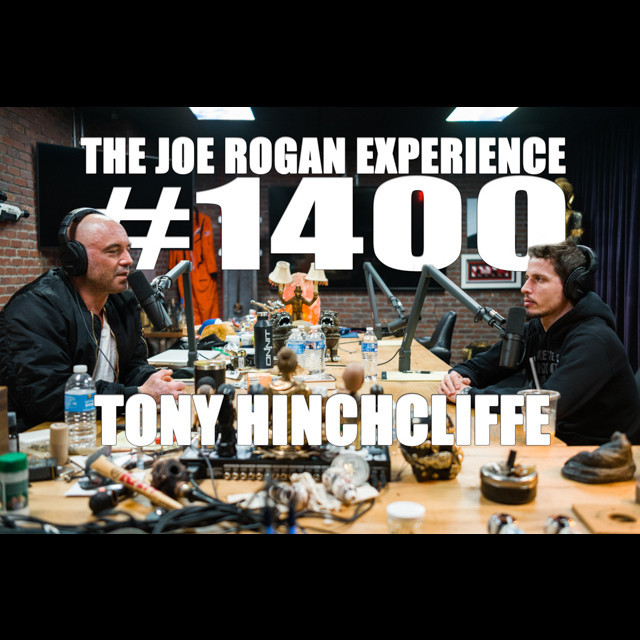
Joe Rogan Experience Podcast #1400 – Tony Hinchcliffe
This podcast features Joe Rogan and stand-up comedian Tony Hinchcliffe exploring a diverse range of topics, ranging from the power of stand-up comedy to the intricacies of celebrity fame and the complexities of social media’s impact on society. The conversation delves into provocative and viral topics, shedding light on the underlying themes of human behavior, the nature of fame, and the influence of social media on our perceptions of reality.
-
Richard Pryor’s Impact on Comedy
- Hinchcliffe recounts seeing Richard Pryor’s stand-up special “Live on the Sunset Strip” as a teenager, witnessing the transformative power of comedy.
- He describes the raw and authentic nature of Pryor’s humor, contrasting it with the more structured comedic styles of movies.
- The podcast highlights Pryor’s chaotic personal life, emphasizing the relatable struggles that fueled his comedy.
- It explores the significance of Pryor’s influence on comedians like Eddie Murphy and his impact on the evolution of stand-up comedy.
-
Eddie Murphy’s Comedy Legacy
- The podcast discusses Eddie Murphy’s early stand-up career, highlighting his raw energy and comedic genius at a young age.
- It explores his controversial relationship with Bill Cosby and Richard Pryor’s defense of Murphy against Cosby’s criticism.
- The conversation speculates on Murphy’s potential return to stand-up, suggesting a mature and insightful perspective on current events.
- The podcast emphasizes Murphy’s enduring impact on comedy, highlighting his influence on generations of stand-up comedians.
-
The Controversy of Greta Thunberg
- Rogan and Hinchcliffe discuss the media’s portrayal of Greta Thunberg as “person of the year,” questioning the basis for her recognition.
- They highlight the potential for fleeting fame in a rapidly changing world, suggesting that Thunberg’s impact could fade quickly.
- The podcast explores the environmental impact of paper production, using Thunberg’s Time Magazine cover as a catalyst for discussion about sustainability.
- They question the media’s tendency to amplify certain voices and events, creating a sense of overblown importance around individuals and movements.
-
The Impact of Fame on Childhood Development
- The podcast explores the challenges of achieving fame at a young age, using Macaulay Culkin as an example of a child star who navigated fame successfully.
- Rogan and Hinchcliffe discuss the potential for distorted development when individuals grow up surrounded by excessive wealth and attention, contrasting it with “normal” childhood experiences.
- They use Justin Bieber as a cautionary tale, highlighting the potential for instability and erratic behavior when individuals are exposed to extreme wealth and attention from a young age.
- The podcast suggests that early fame can disrupt the development of essential life skills and perspectives, leading to a potential for mental and emotional challenges.
-
The Prevalence of Social Media Bots
- The podcast explores the pervasive nature of social media bots, highlighting their impact on online interactions and the difficulty in discerning genuine engagement.
- Rogan and Hinchcliffe discuss the potential for bots to manipulate public opinion and influence political discourse, emphasizing the challenges of navigating authentic online interactions.
- They reveal the use of bots by the “Internet Research Agency” to amplify divisive messages and sow discord on social media platforms.
- The podcast emphasizes the ethical implications of manipulating online engagement and the importance of media literacy in a world saturated with artificial online interactions.
-
Body Dysmorphia and Social Media Standards
- The podcast delves into the issue of body dysmorphia, highlighting how social media can exacerbate unrealistic beauty standards and contribute to self-perception issues.
- They discuss the trend of cosmetic surgery, particularly focusing on the over-the-top enhancements of celebrities like Iggy Azalea and Madonna, questioning the motivations behind such extreme transformations.
- The conversation explores the societal pressure to conform to idealized beauty standards, emphasizing the potential for negative mental health outcomes when individuals fail to meet those expectations.
- Rogan and Hinchcliffe suggest that social media plays a significant role in promoting unrealistic beauty ideals and contributing to a culture of self-criticism and body dissatisfaction.
-
The Nature of Reality TV
- The podcast delves into the blurring lines between reality and entertainment in reality television, exploring the extent to which these shows are staged or genuinely reflect real-life events.
- They discuss the ethical implications of faking storylines and situations for entertainment purposes, particularly highlighting the controversy surrounding shows like “Cheaters” and “Jerry Springer.”
- Rogan and Hinchcliffe analyze the appeal of watching people get arrested, highlighting the captivating nature of real-life drama and the voyeuristic aspect of reality television.
- The conversation prompts viewers to question the authenticity of reality television, emphasizing the potential for manipulation and exploitation of individuals for entertainment purposes.
-
The Power of Memes and Viral Content
- The podcast explores the phenomenon of memes and viral content, highlighting the unpredictable nature of their spread and impact.
- They discuss the case of “Cash Me Outside” girl, Danielle Bregoli, whose brief appearance on “Dr. Phil” catapulted her to fame and fortune.
- Rogan and Hinchcliffe ponder the factors that contribute to the virality of certain content, emphasizing the role of humor, shock value, and cultural relevance.
- The podcast highlights the potential for both positive and negative consequences associated with viral content, emphasizing the importance of media literacy and critical analysis.
-
The Impact of Secret Societies
- The podcast dives into the world of secret societies, exploring theories and conspiracy surrounding organizations like Skull and Bones and Bohemian Grove.
- They discuss John Ronson’s investigative work on Bohemian Grove, highlighting the disturbing practices and rituals that have fueled conspiracy theories.
- Rogan and Hinchcliffe explore the potential for these societies to exert influence over global affairs and perpetuate power structures.
- The conversation raises questions about the nature of power and secrecy, challenging viewers to think critically about the potential for hidden agendas and manipulation within elite circles.
-
The Kennedy Assassination
- The podcast revisits the assassination of John F. Kennedy, exploring the enduring mystery and conspiracy theories surrounding the event.
- Rogan and Hinchcliffe question the official narrative, suggesting the possibility of a wider conspiracy involving multiple individuals and organizations.
- They discuss the role of secret societies and the potential for powerful interests to orchestrate the assassination, emphasizing the challenges of uncovering the truth.
- The podcast encourages listeners to engage in critical thinking and consider alternative perspectives surrounding historical events, particularly those shrouded in secrecy.
-
The Military-Industrial Complex
- The podcast explores the concept of the military-industrial complex, highlighting the complex relationship between government, military, and private corporations.
- They discuss the potential for this complex to perpetuate wars and conflicts for profit, using the example of Dick Cheney and Halliburton to illustrate the problematic intersection of power and private interests.
- Rogan and Hinchcliffe analyze President Trump’s stance on the military-industrial complex, acknowledging his attempts to challenge the status quo but questioning the ultimate impact of his actions.
- The conversation emphasizes the importance of scrutinizing the influence of powerful entities on government policy and the need for transparency in military spending and foreign interventions.
-
The Perils of War and Foreign Intervention
- The podcast tackles the ethical implications of foreign interventions and the long-term consequences of military conflicts.
- Rogan and Hinchcliffe discuss the unintended consequences of warfare, such as the creation of new radical groups and the displacement of populations, using the example of Afghanistan as a case study.
- They explore the psychological impact of drone warfare on pilots, emphasizing the ethical dilemmas associated with remote killing and the potential for dehumanization.
- The conversation challenges viewers to consider the costs of war, both human and financial, and encourages a more critical analysis of foreign policy and military interventions.
-
The Importance of Stand-Up Comedy
- The podcast celebrates the art of stand-up comedy, highlighting its potential for social commentary, self-expression, and pushing boundaries.
- Rogan and Hinchcliffe discuss the unique challenges of stand-up, emphasizing the vulnerability required to perform in front of an audience and the importance of developing a strong stage presence.
- They explore the impact of comedy on society, recognizing its ability to provoke laughter, challenge social norms, and provide a platform for diverse voices.
- The podcast underscores the importance of supporting stand-up comedy and recognizing its valuable contribution to culture and social discourse.
-
The Power of “Kill Tony”
- The podcast dives into the unique format of Tony Hinchcliffe’s podcast “Kill Tony,” highlighting its impact on the stand-up comedy scene.
- They discuss the raw and unscripted nature of the show, emphasizing its ability to showcase both the best and worst of stand-up comedy.
- Rogan and Hinchcliffe analyze the appeal of watching comedians perform under pressure, highlighting the excitement of seeing both successes and failures unfold in real-time.
- The podcast celebrates the community aspect of “Kill Tony,” acknowledging its role in nurturing young comedians and providing a platform for diverse voices.
-
The Significance of UFC and Mixed Martial Arts
- The podcast delves into the world of UFC and mixed martial arts, discussing the physical and mental demands of the sport.
- They highlight the importance of conditioning, strategy, and psychological resilience in MMA, recognizing the challenges of competing at the highest level.
- Rogan and Hinchcliffe discuss the upcoming UFC fight between Colby Covington and Kamaru Usman, analyzing their fighting styles and the potential for an exciting matchup.
- The podcast celebrates the athleticism and dedication of MMA fighters, emphasizing the unique blend of skill and courage required for success in this demanding sport.
-
The Role of Promotion in Combat Sports
- The podcast explores the importance of promotion and self-branding in combat sports, using Colby Covington as a prime example of a fighter who has successfully cultivated a persona.
- Rogan and Hinchcliffe discuss the effectiveness of Covington’s controversial character, highlighting his ability to generate both excitement and animosity from fans.
- They speculate on Covington’s potential future in pro wrestling, recognizing his natural ability to engage audiences through his persona.
- The conversation acknowledges the importance of self-promotion in a competitive field like combat sports, highlighting the ability of fighters to build their brand and secure lucrative opportunities through strategic marketing and media engagement.
-
The Impact of Weight Cutting
- The podcast delves into the controversial practice of weight cutting in combat sports, highlighting the health risks associated with rapid weight loss.
- They discuss the case of Jose Aldo, who has made a significant weight cut to compete at Bantamweight, questioning the potential for compromised performance and health risks.
- Rogan and Hinchcliffe use the example of TJ Dillashaw’s extreme weight cut to illustrate the potential for detrimental effects on fighters’ health and performance.
- The conversation encourages a more critical discussion about weight cutting practices in combat sports, calling for greater awareness of potential health risks and ethical considerations.
-
The Future of Combat Sports
- The podcast speculates on the future of UFC and mixed martial arts, highlighting the growing popularity of the sport and the potential for new talent to emerge.
- Rogan and Hinchcliffe discuss the potential for increased participation in MMA, emphasizing the sport’s global appeal and its ability to attract a diverse audience.
- They analyze the upcoming fight between Amanda Nunes and Germaine de Randamie, highlighting the potential for a competitive matchup and the ongoing evolution of women’s MMA.
- The podcast expresses optimism about the future of combat sports, predicting continued growth and excitement for fans around the world.
-
The Importance of Critical Thinking
- Throughout the podcast, Rogan and Hinchcliffe emphasize the importance of critical thinking and media literacy.
- They encourage listeners to question the information they encounter, particularly online, and to be aware of the potential for manipulation and bias.
- Rogan and Hinchcliffe stress the importance of seeking out diverse perspectives and challenging conventional wisdom, urging listeners to form their own opinions based on evidence and critical analysis.
- The podcast advocates for a more informed and engaged citizenry, encouraging listeners to be active participants in the world around them.
5 Memorable Quotes:
- “That was really the first thing that I ever saw that maybe truly understand the power of Stand Up comedy. I was thirteen years old, I think, maybe fourteen. My parents went took me to see it, and we were in the audience. I remember thinking, how is this guy so funny just talking? How is this possible?” – Tony Hinchcliffe describes the transformative power of seeing Richard Pryor live.
- “He’s not this twenty year old kid anymore. Like, he was in delirious. Delirious, he was really young. I mean, I wanna say he was, like, 22 or something. How old was even in when he filmed Eddie Murphy Delirious?” – Joe Rogan reflects on Eddie Murphy’s evolution as a comedian.
- “It’s almost like child abuse. I mean, it the best kind of abuse ever. Like, put crummy river. You got a couple $100,000,000 out of a a therapist, bro.” – Joe Rogan humorously critiques the pressures of early fame.
- “This is one of the craziest speeches a president has ever said. Trump says, you do have a military industrial complex. They do like war.” – Joe Rogan reflects on President Trump’s stance on the military-industrial complex.
- “If you’re gonna have boxing, like boxing those rounds, like 3 minutes, 3 minute rounds is with just your hands. You can you can get a lot of action in there. If you made that up to 5, 6 rounds, but I don’t know. I mean, it’s nothing wrong. It’s it’s it’s also a great thing seeing someone slowly figure somebody out over 5, 6 rounds and then start working them in the 7th, 8th, 9th, and 10th, and get a out in 11th or something like that.” – Joe Rogan discusses the strategic aspects of boxing.