6-Jan-20
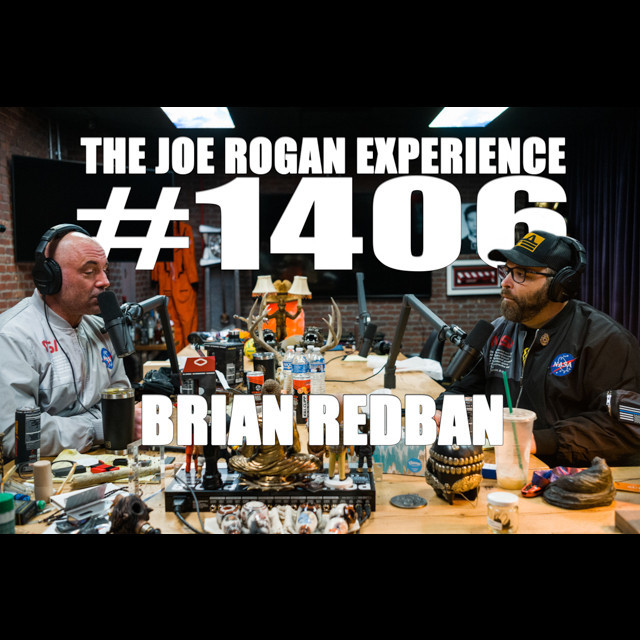
This Joe Rogan podcast dives into a wide range of topics with comedian Brian Redban, offering a blend of humor, introspection, and sometimes controversial discussions. Topics range from the future of technology to the intricacies of the human condition, sprinkled with dark humor and provocative thoughts.
1. Technology’s Trajectory and the Impact of the Internet:
- Joe and Brian discuss how our perception of the future, as depicted in movies like Blade Runner, has been skewed by the emergence of the internet.
- They ponder what technology would look like today if the internet hadn’t been invented, suggesting it might be a much slower and less connected world.
- The internet’s role in accelerating technological advancements is highlighted, as well as its potential for both positive and negative societal effects.
- They consider the internet’s role in fostering both positive change and the rise of extreme ideologies, pointing to the potential for both uniting and dividing people.
2. The Climate Change Debate and Greta Thunberg:
- Joe and Brian discuss Greta Thunberg, the young climate change activist, and the controversy surrounding her age and platform.
- They question the effectiveness of thrusting a young, developing child into the intense debate of climate change.
- They consider the potential for Greta’s age and circumstances to make her vulnerable to criticism and ridicule.
- The conversation delves into the complexity of climate change and the need for balanced discourse, emphasizing the importance of considering multiple perspectives and avoiding extremes.
3. Autism and the Potential Future of Emotions:
- Joe and Brian explore a thought-provoking idea about the potential for spectrum disorders, like autism, to reshape our understanding of emotions in the future.
- They discuss how autism often involves a different way of processing and experiencing emotions, suggesting a potential for less emotional reactivity in future generations.
- The analogy of the appendix is used to illustrate how our bodies can evolve to shed traits or functions that are no longer necessary.
- They ponder whether emotions, like the appendix, could become less essential in the future, potentially leading to a more efficient and less emotionally driven humanity.
4. Anxiety and the Potential Benefits of CBD:
- Joe shares his personal experience with CBD, revealing that it helped him become aware of and manage his anxiety.
- They discuss the potential benefits of CBD for conditions like arthritis, citing Dave Foley’s successful experience with CBD oil for his arthritis.
- The conversation explores the potential for CBD to provide a sense of calm and relaxation without the intoxicating effects of traditional cannabis.
- They acknowledge the growing research and interest surrounding CBD, highlighting its potential as a natural remedy for various ailments.
5. Sciatica and the Benefits of Platelet Rich Plasma:
- Joe recounts his experiences with sciatica, explaining how it can often be caused by a bulging disc in the back that impacts a nerve.
- They discuss the effectiveness of platelet rich plasma (PRP) treatments, including Regenacine, for relieving sciatica symptoms and reducing the need for surgery.
- The procedure involves extracting blood, spinning it in a centrifuge to separate platelets, and injecting the platelet-rich plasma into the affected area.
- They emphasize the potential for PRP treatments to offer a non-invasive alternative to surgery for conditions like sciatica, highlighting its efficacy and benefits.
6. Jeffrey Epstein’s Death and Conspiracy Theories:
- Joe and Brian delve into the controversial death of Jeffrey Epstein, discussing the various conspiracy theories surrounding his suicide and the evidence presented in the 60 Minutes report.
- They scrutinize the discrepancies in the official account of Epstein’s death, focusing on the lack of blood on the noose, the multiple fractures on his neck, and the presence of a ballpoint pen in his cell.
- They speculate about the potential motivations behind a potential cover-up, citing Epstein’s high-profile connections and involvement in controversial cases involving pedophilia.
- The conversation emphasizes the importance of critical thinking and skepticism when evaluating such high-profile cases, particularly when evidence and official narratives seem incongruent.
7. Ricky Gervais’s Golden Globes Monologue and Social Commentary:
- Joe and Brian dissect Ricky Gervais’s controversial Golden Globes monologue, highlighting his willingness to challenge and satirize both Hollywood and contemporary social issues.
- They discuss Gervais’s bold criticisms of Apple’s use of sweatshops in China, his satirical jab at ISIS, and his direct call-out to celebrities who engage in virtue signaling.
- They acknowledge Gervais’s reputation for pushing boundaries and embracing dark humor, celebrating his audacity in confronting hypocrisy and social injustices.
- The discussion underlines the importance of satire and critical commentary in holding institutions and individuals accountable, even when it provokes controversy and challenges established narratives.
8. The Implications of Social Media in Shaping Discourse:
- Joe and Brian examine the role of social media platforms like Twitter in shaping public discourse, particularly in the context of political figures like Donald Trump.
- They discuss the potential for social media to amplify extreme voices and create echo chambers, leading to polarization and increased tension.
- They explore the dilemma of balancing free speech with the need to combat misinformation and hate speech, questioning the responsibility of social media companies.
- The conversation highlights the potential for social media to be both a powerful tool for communication and a breeding ground for conflict, raising concerns about its impact on democratic values and public discourse.
9. The Potential for TikTok to Disrupt Traditional Media:
- Joe and Brian discuss the rapid rise of TikTok and its potential to challenge traditional media platforms like YouTube and television.
- They speculate about the potential for a TikTok president, highlighting the platform’s ability to reach a young, diverse audience and disrupt established power structures.
- They explore the implications of a platform like TikTok, with its short-form video format and emphasis on entertainment, taking center stage in political discourse and media consumption.
- They acknowledge TikTok’s potential to democratize content creation and distribution, suggesting that it could lead to a more fragmented and decentralized media landscape.
10. The Need for Transparency and Accountability in Government:
- Joe and Brian discuss the importance of transparency and accountability in government, particularly in the context of high-stakes decisions like military action.
- They question the practice of making life-altering decisions behind closed doors, arguing for a more public and deliberative process.
- They advocate for greater public access to information regarding policy decisions, economic issues, and national security matters.
- They believe that greater transparency can foster public trust, accountability, and a more informed citizenry, ultimately leading to better governance.
11. The Impulsive Nature of Donald Trump’s Actions and Their Consequences:
- Joe and Brian analyze the impulsive nature of Donald Trump’s actions, particularly in the case of the assassination of Iranian General Qassem Soleimani.
- They question the lack of consultation with military experts and the potential for unintended consequences stemming from Trump’s seemingly impulsive decision.
- They express concern about the potential for a global conflict triggered by Trump’s unpredictable behavior, emphasizing the need for more measured and calculated responses.
- The conversation underlines the importance of diplomatic solutions and dialogue in international affairs, highlighting the dangers of unilateral actions and a lack of strategic planning.
12. The Role of Conspiracy Theories in a World of Uncertainty:
- Joe and Brian explore the resurgence of conspiracy theories in a world marked by uncertainty, distrust, and access to a vast amount of information.
- They acknowledge that while some conspiracy theories are obviously false, others raise legitimate questions and highlight potential for corruption and cover-ups.
- They emphasize the importance of critical thinking, skepticism, and a healthy dose of cynicism when evaluating information and seeking truth.
- They encourage listeners to avoid blindly accepting information from any source and to engage in critical analysis and fact-checking before forming conclusions.
13. The Existence of Extraterrestrial Life and the Power of Skepticism:
- Joe and Brian discuss the growing discussion about the existence of extraterrestrial life, prompted by comments made by Britain’s first female astronaut.
- They acknowledge the possibility of extraterrestrial life but emphasize the importance of skepticism and a critical eye when evaluating evidence and claims.
- They question the reliability of anecdotal evidence and the potential for misinterpretation or manipulation of information.
- They encourage listeners to remain open-minded but to approach claims about extraterrestrial life with a healthy dose of skepticism and a demand for verifiable evidence.
14. The Tragedy of the Challenger Disaster and the Impact of Loss:
- Joe and Brian reflect on the Challenger disaster, recalling the emotional impact of witnessing the tragedy and its significance as a cultural event.
- They discuss the disproportionate impact of the loss of the teacher, Christa McAuliffe, highlighting how the death of a non-astronaut seemed more tragic and resonated with the public.
- They ponder the psychology behind our reaction to different forms of loss and the greater empathy we often feel for those who are perceived as “ordinary” rather than “specialized” individuals.
- The conversation highlights the human capacity for empathy and the ways in which shared experiences and cultural moments can shape our collective grief and understanding of loss.
15. The Implications of Elon Musk’s SpaceX Program:
- Joe and Brian discuss Elon Musk’s ambitious SpaceX program, acknowledging its potential to revolutionize space travel and exploration.
- They consider the potential for SpaceX to play a key role in the development of a US Space Force, highlighting the company’s technological advancements and entrepreneurial spirit.
- They explore the ethical and philosophical implications of a private company holding significant power in the realm of space exploration, particularly in the context of military applications.
- The conversation raises questions about the future of space travel, the potential for commercialization, and the need for responsible governance and ethical considerations.
16. Harvey Weinstein and the Complexities of Sexual Assault:
- Joe and Brian discuss the ongoing legal proceedings against Harvey Weinstein, highlighting the recent indictment on new sexual assault charges in Los Angeles.
- They delve into the complexities of sexual assault, particularly in the context of power dynamics, consent, and the blurred lines between transactional relationships and abuse.
- They touch upon the ethical and legal challenges of defining and prosecuting sexual misconduct, particularly when it involves power imbalances and situations where consent is ambiguous.
- The conversation underscores the importance of examining the systemic issues that contribute to sexual violence and the need for greater awareness and accountability in addressing these issues.
17. The Legalization of Prostitution and the Debate Over Morality:
- Joe and Brian engage in a thought-provoking discussion about the legalization of prostitution, exploring the ethical and societal implications of making it legal.
- They acknowledge the hypocrisy of laws that criminalize sex work while still allowing for a market for it, suggesting that legalization could provide better protection and working conditions for sex workers.
- They debate the moral and ethical implications of legalizing sex work, acknowledging that while many people might not want their daughters to become sex workers, the reality is that sex work exists and should be addressed in a way that minimizes harm.
- The conversation encourages listeners to confront their own biases and consider alternative perspectives on a complex issue, promoting open dialogue and critical thinking.
18. The Legacy of Bugsy Siegel and Organized Crime:
- Joe and Brian touch upon the history of organized crime and its connections to Hollywood, referencing the infamous gangster Bugsy Siegel and his presence in Los Angeles.
- They discuss the prevalence of organized crime in the entertainment industry, highlighting the influence of mob figures on casinos, nightclubs, and other venues frequented by celebrities.
- They evoke the era of gangsters and mobsters, emphasizing the dangers and corruption that permeated the industry and society at large.
- The conversation acknowledges the enduring legacy of organized crime and its impact on American culture, highlighting the complex relationships between power, money, and violence.
19. The Case of Julian Assange and Freedom of the Press:
- Joe and Brian discuss the case of Julian Assange, the WikiLeaks founder, and the controversial legal proceedings against him.
- They question the motivations behind Assange’s prosecution, highlighting the potential for political interference and the broader implications for freedom of the press.
- They debate the ethical complexities of releasing classified information and the balance between national security and the public’s right to know.
- The conversation raises important questions about the role of whistleblowers, the limits of free speech, and the accountability of governments and institutions.
20. The Cultural Significance of Mayan Ruins and Rituals:
- Joe and Brian share their experiences visiting Mayan ruins, marveling at the scale and sophistication of the ancient civilization.
- They discuss the evidence of ritualistic practices, including human sacrifice, and the role of psychedelic substances in Mayan culture.
- They explore the fascinating aspects of Mayan language and the complexity of its structure and meaning.
- The conversation encourages listeners to appreciate the diversity of human cultures and to learn from the history and achievements of ancient civilizations.
21. The Carnivore Diet and Its Potential Benefits:
- Joe and Brian discuss the carnivore diet, a meat-only diet that has gained popularity in recent years.
- They share their personal experiences with the diet, focusing on the potential benefits, such as increased energy levels and reduced inflammation.
- They delve into the scientific research surrounding the carnivore diet, acknowledging both the potential benefits and the ethical concerns surrounding meat consumption.
- The conversation encourages listeners to explore different approaches to diet and nutrition, emphasizing the importance of personalized choices based on individual needs and preferences.
22. The Importance of Self-Awareness and Mental Health:
- Joe and Brian touch upon the importance of self-awareness and mental health, particularly in the context of societal pressures and the demands of modern life.
- They highlight the need for individuals to prioritize their own well-being and to seek support when needed.
- They discuss the potential for diets, exercise, and mindfulness practices to contribute to a healthier and more balanced state of mind.
- The conversation encourages listeners to cultivate self-compassion, to prioritize their mental health, and to seek support when navigating the challenges of life.
23. The Dangers of Impulsive Behavior in a World of Instant Gratification:
- Joe and Brian reflect on the dangers of impulsive behavior in a world of instant gratification, particularly in the context of social media and political decision-making.
- They discuss how the constant stream of information and the pressure to react quickly can lead to hasty and potentially harmful actions.
- They emphasize the need for patience, deliberation, and thoughtful analysis before making decisions that could have lasting consequences.
- The conversation encourages listeners to cultivate a more measured and considered approach to life, promoting a greater sense of responsibility and a slower pace of decision-making.
24. The Human Capacity for Both Good and Evil:
- Joe and Brian explore the complexities of the human condition, acknowledging our capacity for both good and evil.
- They discuss the historical examples of violence and cruelty, particularly within the context of colonization and conflict.
- They emphasize the need for awareness of our inherent capacity for both love and hate, compassion and violence.
- The conversation encourages listeners to grapple with the complexities of human nature and to strive for empathy, understanding, and a more peaceful world.
5 Memorable Quotes:
- “We’ve already gone past the Blade Runner date.” – Joe Rogan
- “It’s almost like they put like, the future put ideas in people’s heads, and those people just started figuring out a way to connect to everybody.” – Joe Rogan
- “This is what this is what they’re saying. And he had his his sleep apnea machine was in there. It was you could see an extension cord coming from the hallway into his room that he could have just used that to kill himself and hang himself. We’re the very jumpsuits. Why is he have 9 jumps” – Joe Rogan
- “I don’t think you should have a pen. Hey. My look. It’s it’s bad to say either way if you don’t know. And I’m guilty of that 100%. I’m like, that guy didn’t kill himself. I’m talking shit, though.” – Joe Rogan
- “This is a good time to be a conspiracy theorist. Oh, yeah. because there’s a few of them that aren’t ridiculous. There’s some juicy ones right now.” – Brian Redban