22-Jan-20
“`html
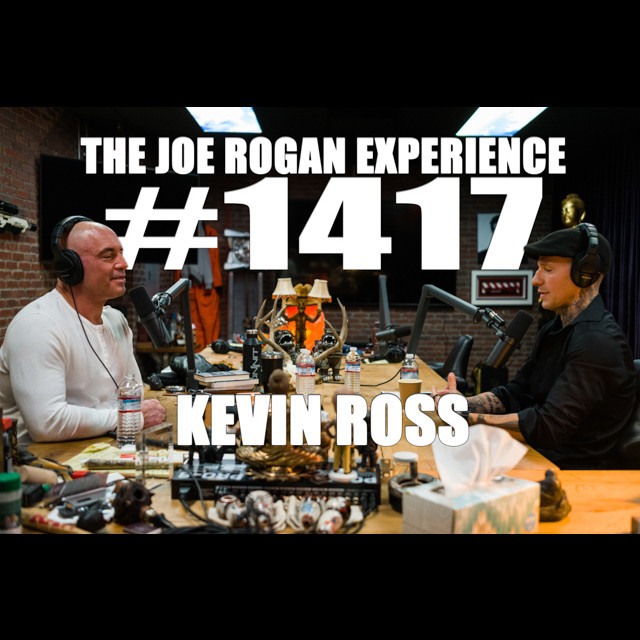
This podcast features an insightful conversation between Joe Rogan and Kevin “The Soul Assassin” Ross, covering various aspects of Kevin’s life, his career in Muay Thai, and deeper philosophical reflections on human nature, trauma, and personal growth. The dialogue touches upon topics like fighting culture, personal struggles, the importance of resilience, and the complexities of human psychology.
1. Shin Conditioning Techniques
Kevin discusses the right methods for strengthening shins, emphasizing the importance of realistic training with sandbags.
- Shin conditioning is about developing overall strength rather than just numbing pain.
- Using a sandbag allows for more comprehensive impact and surface area involvement.
- Daily repetition of training leads to gradual strength gains over time.
- Kevin highlights the risks of improper conditioning that can mislead fighters about their actual bone strength.
2. The Dangers of Kickboxing
The conversation shifts to the inherent risks involved in kickboxing, including freak injuries.
- Kevin shares his anxiety about fighters breaking their legs on checks.
- Even with perfect conditioning, accidents can happen in the ring.
- He reflects on the mentality of fighters toward injuries and pain management.
- It’s important for fighters to understand that pain will always be a part of the sport.
3. The Muay Thai Culture
Joe and Kevin delve into the cultural roots of Muay Thai in Thailand.
- Muay Thai is not just a sport; it’s a way of life and a means of survival in Thailand.
- Many children start training at a young age, often in gyms with strict routines.
- The mentality of fighters in Thailand is vastly different from that in the United States.
- Exploration of how upbringing in the sport shapes a fighter’s approach and technique.
4. Training Philosophy: American vs. Thai
Kevin contrasts American training styles with those found in Thailand.
- American training often emphasizes hard sparring, leading to injury and burnout.
- Thai training focuses more on technique and gradual improvement.
- The importance of playing with techniques rather than just brute force during training.
- Finding a balance between pushing hard and cultivating skills safely is crucial for longevity in the sport.
5. Mental Conditioning and Fear
The duo discusses the psychology of fighters, focusing on fear management and mental toughness.
- Fear is a constant in fighting; accepting it can lead to greater mental resilience.
- Experiencing loss early in a fighter’s career builds character and drive.
- The idea of not letting fear dictate actions is a recurring theme in their conversation.
- Kevin’s story illustrates how personal experiences shape approaches to life and fighting.
6. Kevin’s Personal Journey
Kevin opens up about the struggles he faced before becoming a fighter.
- Caught up in alcoholism and a turbulent childhood, his path to fighting was a means of redemption.
- The therapy of writing his autobiography helps him process his past traumas.
- His early fascination with boxing and martial arts became a way to channel his energy productively.
- Kevin discusses the pivotal moments that led him to commit to martial arts fully.
7. Importance of Community and Relationships
Reflection on how relationships influence personal development and fighting.
- Having supportive individuals can positively impact mental and emotional stability.
- Kevin emphasizes the need for friends who challenge and support him simultaneously.
- Communication and understanding within friendships foster growth.
- Community can help mitigate the isolation often felt by fighters.
8. The Role of Adversity
Kevin highlights how overcoming adversity is essential for personal growth.
- Experiences of hardship can lead to resilience and character development.
- Learning to navigate struggles influences fighting and life philosophies.
- Finding meaning in suffering can prompt deeper insights and motivation.
- Kevin reflects on his journey from trauma to triumph, ensuring to pass on wisdom he’s gained.
9. Perspectives on Success and Failure
They dive into the complex nature of success and failure in both fighting and life.
- Kevin discusses the moment he realized failure isn’t the end but a stepping stone to growth.
- Success can often be a misleading term; true growth happens in the failures.
- Echoing the sentiment that every fighter eventually faces a loss shapes their careers.
- Understanding the role of failure can free individuals from the paralyzing fear of losing.
10. Trauma and Personal Insight
Kevin courageously shares experiences of trauma from his childhood.
- His upbringing included significant hardship and form of neglect that influenced his path.
- Writing about his experiences serves as a therapeutic outlet for dealing with past trauma.
- The connection between trauma and one’s drive in sports and life is vital for understanding personal narratives.
- Despite his background, he aspires to inspire others by sharing his story.
11. The Nature of Fear in Daily Life
The conversation turns to how fear manifests in everyday life.
- Understanding personal fears can foster personal growth and emotional intelligence.
- The role of fear in decision making is critical and often overlooked.
- Exploring discomfort within fear zones promotes resilience.
- Kevin illustrates how confronting fears leads to greater effectiveness as a fighter and person.
12. Fighting as a Metaphor for Life
They analyze how fighting reflects broader life experiences.
- Fighting requires discipline, mental strength, and perseverance—qualities applicable in life pursuits.
- Each fight is a battle with oneself, reflecting personal struggles and psychological hurdles.
- How one approaches challenges in the ring can mirror how they approach life’s obstacles.
- Kevin articulates that engaging in a fight is not about the outcome but the journey it fosters.
13. Health and Well-Being in Sports
The discussion includes the physical health implications of a fighter’s lifestyle.
- Understanding the physical toll of the sport on the body and brain is vital for longevity.
- Kevin shares insights regarding how injuries shape one’s training cycle and mental approach.
- Finding balance in training intensity and recovery is essential for a fighter’s health.
- Addressing mental health, Kevin emphasizes the importance of self-care routines and downtime.
14. Reflecting on Personal Stories
Kevin’s path emphasizes the importance of personal reflection.
- Writing and expressing one’s journey assists in processing emotions and experiences.
- Kevin encourages individuals to share their stories as a means of healing.
- Understanding one’s narrative is crucial for personal development and acceptance.
- Sharing stories can create connections and foster empathy among individuals.
15. The Joy of Martial Arts
Rogan and Kevin celebrate the unique joy that martial arts bring to practitioners.
- The camaraderie, discipline, and support found in martial arts communities are invaluable.
- Participating in martial arts can be a wonderful outlet for stress relief and emotional expression.
- Finding happiness through mastery in the sport teaches humility and respect.
- Kevin’s passion for Muay Thai is a testament to the joy of engaging in this intense martial art.
5 Memorable Quotes:
- “You don’t need to believe it, you just need to do it.” – Kevin emphasizes action over belief in training and fighting.
- “The journey is not about winning or losing; it’s about who you become along the way.” – Reflecting on the transformative power of fighting.
- “Every experience, good or bad, shapes who we are.” – A reminder that both triumph and trauma contribute to personal growth.
- “Fear is a constant, but it’s how we choose to face it that defines us.” – Discussing the role of fear in a fighter’s life.
- “We all need the good and the bad; it’s the balance that keeps us grounded.” – On the necessity of experiencing both ends of the spectrum in life.
“`