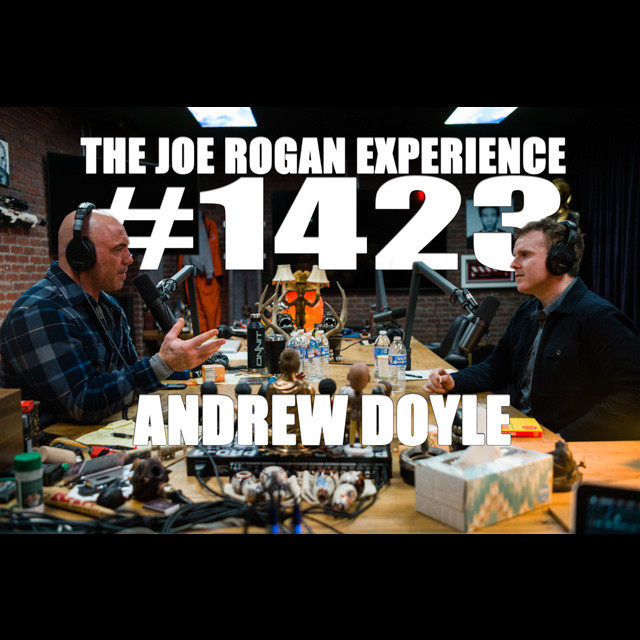
5-Feb-20
This podcast dives deep into the world of “woke” culture, exploring its origins, impact, and the ongoing controversy surrounding it. Featuring British comedian Andrew Doyle, the creator of the satirical character Titania McGrath, the conversation delves into provocative topics like cancel culture, the limits of free speech, and the dangers of ideological extremism. Underlying themes explore the nature of truth, the role of satire in challenging dominant narratives, and the need for intellectual humility in a polarized world.
- Titania McGrath: A Weapon of Satire
- Doyle created Titania McGrath as a satirical character to expose the absurdity of “woke” culture and its extreme pronouncements.
- Titania’s deadpan persona and outrageously “woke” tweets consistently draw both genuine outrage and amused recognition from people across the political spectrum.
- Doyle’s success in blurring the lines between satire and reality highlights the vulnerability of individuals to misinterpretations and the dangers of unchecked ideological fervor.
- The overwhelming reaction to Titania, often misconstrued as a real person, underscores the importance of critical thinking in discerning truth from fabrication in the digital age.
- The “Woke” Movement: A New Religion?
- Doyle draws parallels between “woke” culture and radical religious movements, highlighting their shared characteristics of rigid dogma, intolerance, and internal policing.
- The lack of forgiveness and the constant need to demonstrate “woke” purity in “woke” circles creates a culture of fear and self-censorship, reminiscent of religious persecution.
- The tendency for “woke” individuals to attack each other for perceived transgressions, even within their own ranks, reveals the fragility of their belief system and the dangers of ideological purity.
- The comparison to radical religions raises concerns about the impact of this movement on society, particularly in academic settings where open dialogue and critical thinking are crucial.
- Cancel Culture and the Suppression of Free Speech
- The podcast explores the phenomenon of “cancel culture” and its impact on artistic expression, critical thinking, and individual freedoms.
- Doyle argues that “woke” culture’s emphasis on representation and inclusivity often leads to artistic compromises and mediocrity, hindering creative expression.
- The increasing pressure for artists to adhere to “woke” ideals, even at the expense of their artistic vision, raises concerns about the future of creativity and diversity in art.
- The consequences of “cancel culture” on individuals, particularly in terms of professional repercussions, highlight the chilling effects of unchecked online mob mentality.
- The Limits of “Punching Up” in Comedy
- Doyle challenges the notion that comedians should not “punch down” in their material, arguing that “woke” culture’s powerful voices often wield considerable influence and can be fair targets of satire.
- The podcast highlights the hypocrisy of “woke” culture’s condemnation of “punching down” while simultaneously engaging in aggressive and often vicious attacks on individuals who dissent from their ideology.
- Doyle uses examples from his own experiences, as well as those of other comedians, to illustrate the increasingly restrictive environment for comedy and the pressure to self-censor.
- The conversation underscores the importance of free speech and the right to challenge even powerful voices, regardless of their perceived social status.
- The Dangers of Over-Policing Language and Thought
- The podcast highlights the alarming trend of “woke” culture’s obsession with language policing, where even liking a tweet containing potentially offensive language can lead to consequences.
- Doyle discusses the rise of software programs designed to analyze individuals’ online presence, highlighting the potential for this technology to be used for ideological screening and social control.
- The podcast explores the insidious nature of “woke” culture’s insistence on scrutinizing not just words but also intentions, emphasizing the dangers of thought control and the erosion of individual autonomy.
- Doyle argues that this hyper-vigilance towards potential offense often leads to the misinterpretation of humor and the conflation of words with violence.
- The Role of the Media in Perpetuating “Woke” Culture
- Doyle criticizes the role of mainstream media outlets in amplifying “woke” narratives and promoting clickbait headlines that often distort the truth and incite outrage.
- The podcast exposes the media’s tendency to publish articles that align with their own ideological biases, even when those articles are demonstrably fabricated or deliberately provocative.
- Doyle argues that the media’s focus on outrage and clickbait journalism contributes to the polarization of society and the erosion of trust in established institutions.
- The podcast highlights the dangers of a media landscape where truth and critical thinking are often sacrificed for sensationalism and ideological agendas.
- The Need for Intellectual Humility and Open Dialogue
- The podcast emphasizes the importance of intellectual humility and the willingness to acknowledge that one’s own beliefs might be flawed or incomplete.
- Doyle advocates for open dialogue and respectful debate as crucial tools for combating the echo chambers and ideological rigidity that characterize “woke” culture.
- The conversation underscores the need for a return to principles of classical liberalism, where individual freedom and autonomy are paramount, and where diverse perspectives are welcomed and challenged.
- Doyle suggests that focusing on genuine issues of inequality and human suffering, rather than ideological purity, would be a more effective way to create a more just and equitable society.
- The “Woke” Movement: A Symptom of a Safe and Affluent Society?
- The podcast explores the idea that “woke” culture might be a symptom of a society that is too safe and affluent, where people have the luxury to focus on seemingly insignificant social issues.
- Doyle argues that “woke” culture thrives in an environment where the real challenges of poverty, inequality, and violence are often ignored or minimized.
- The conversation suggests that “woke” culture’s preoccupation with language policing and identity politics might be a distraction from more pressing issues that demand attention and action.
- The podcast highlights the need for a more nuanced and pragmatic approach to social issues, one that acknowledges the complexities of human behavior and the need for compassion and understanding.
- The Importance of Humor and Satire as Tools of Resistance
- The podcast emphasizes the importance of humor and satire as tools for resisting the excesses of “woke” culture and challenging its dominant narratives.
- Doyle argues that satire can be an effective way to expose the absurdity and hypocrisy of “woke” culture, prompting reflection and potentially fostering a more open-minded approach.
- The podcast highlights the power of humor to challenge authority, spark conversation, and ultimately promote a more tolerant and inclusive society.
- Doyle’s own success in using satire to challenge “woke” ideology underscores the importance of creative expression and the need for critical thinking in a world increasingly dominated by online narratives.
Memorable Quotes:
- “It’s that thing of trying to — You are. — who’s the girl? Trying to trip.” – Doyle describes the challenge of creating a character that walks the line between satire and genuine belief.
- “It’s like when they were early Christians used to burn people out of love, you know.” – Doyle compares “woke” culture’s tendency to attack those who dissent with the religious persecution of the past.
- “You can’t be woke enough.” – Doyle highlights the inherent contradiction within “woke” culture, where striving for perfection leads to constant scrutiny and never-ending demands for conformity.
- “I think it’s a really bad idea. It’s almost like you’re acting as their PR.” – Doyle criticizes those who over-use the term “Nazi” and accuse everyone of being a fascist, inadvertently giving credence to the views of real neo-Nazis.
- “If you wanna say that Jordan Peterson is a fascist as some people do, even though he there isn’t someone who is more on record whose opposition to tyranny. Is more on record.” – Doyle defends Jordan Peterson from the accusation of fascism, highlighting the hypocrisy of those who make such claims without understanding Peterson’s work.