12-Feb-20
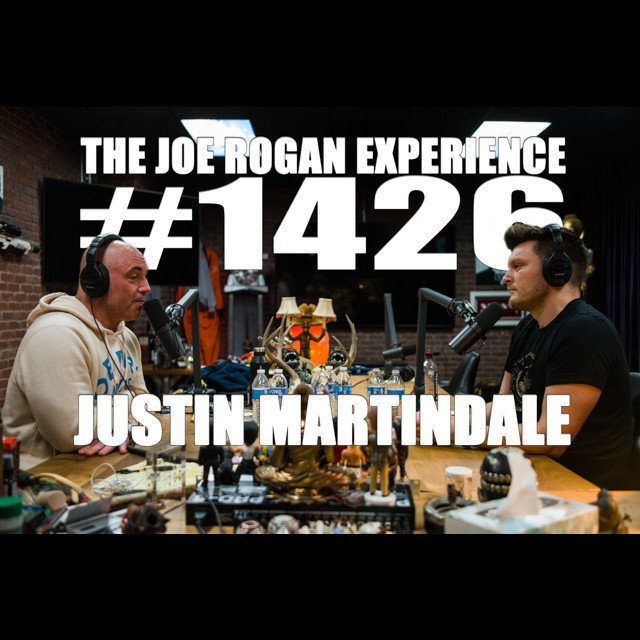
Joe Rogan Podcast #1426 – Justin Martindale: Topics and Summary
This podcast features a conversation between Joe Rogan and Justin Martindale, a stand-up comedian, writer, producer, and actor. The conversation covers a wide range of topics, from the prevalence of marijuana use in California to the absurdity of the Kardashian family. Here’s a breakdown of the podcast, meticulously diving into the major topics discussed.
- The Prevalence of Marijuana Use in California:
- Martindale discusses the normalization of marijuana use in California, where it is legal.
- He shares a humorous anecdote about the prevalence of the smell of marijuana in public spaces, particularly in the morning.
- The conversation touches upon the implications of smoking cigarettes and marijuana in residential buildings, with Rogan noting the odor often lingers in the air.
- The discussion underscores the contrasting views between people who smoke weed and those who don’t, with a focus on the changing cultural landscape.
- The Use of Disinfectants in China During the Coronavirus Outbreak:
- Rogan and Martindale discuss a viral video showing people spraying disinfectant on the streets of China, seemingly an attempt to kill the coronavirus.
- The conversation includes skepticism about the efficacy of this method, questioning whether it can effectively kill the virus.
- They also discuss the broader use of drones for disinfectant spraying, highlighting the potential dangers of this approach.
- The discussion delves into the nature of the virus, its potential to survive outside of a host, and the ongoing debate about the origins of the virus.
- The Dangers of Glyphosate:
- Martindale expresses his concern about the widespread use of glyphosate, the active ingredient in Roundup, a herbicide.
- He discusses the potential health risks associated with glyphosate, including links to cancer.
- The discussion highlights the ongoing legal battles surrounding glyphosate and the contrasting views of the Environmental Protection Agency (EPA) and those who believe it is harmful.
- The conversation extends to the broader anxieties around chemicals and toxins in our environment and the difficulty of avoiding them.
- The LA River and its Impact on the Ocean:
- Rogan and Martindale discuss the LA River, a concrete channel that serves as a drainage system for the city of Los Angeles.
- They explore the environmental consequences of this system, highlighting the runoff of chemicals, oil, garbage, and other contaminants into the ocean.
- The discussion includes a humorous observation about the LA River’s artificiality, comparing it to a “fake river.”
- Martindale shares a personal anecdote about a yoga instructor who became ill after swimming in the ocean after a rainstorm, demonstrating the potential health risks associated with contaminated water.
- The Recycling of Wastewater:
- Martindale reveals that some water used for drinking is actually recycled wastewater.
- The discussion explores the implications of this practice, particularly the potential for contamination.
- Rogan and Martindale share their reactions to this revelation, expressing a sense of disgust and concern.
- The conversation touches upon the environmental and health considerations surrounding water treatment and reuse.
- The Importance of Food Preparedness:
- Martindale and Rogan discuss the importance of having a supply of food on hand in case of emergencies, such as natural disasters or pandemic outbreaks.
- The conversation touches upon the concept of “prepping” and the potential for societal collapse.
- Martindale shares an anecdote about a friend who keeps a stash of “preacher food” in her apartment, demonstrating the extremes of preparedness.
- The discussion highlights the growing anxieties surrounding societal instability and the desire to be prepared.
- The Absence of Lesbian Neighborhoods:
- Martindale observes the lack of lesbian neighborhoods, contrasting with the prevalence of gay neighborhoods like Boystown.
- He posits that lesbians are more autonomous and self-sufficient, preferring to form their own “tribes” rather than established communities.
- Rogan jokingly suggests that gay men might push lesbians out of neighborhoods, creating a separate space for women.
- The discussion playfully explores the cultural and social differences between gay men and lesbians, as well as the potential for outsiders disrupting lesbian spaces.
- The Comparison of Gay Men to Dogs and Lesbians to Wolves:
- Martindale and Rogan engage in a humorous and thought-provoking analogy, comparing gay men to dogs and lesbians to wolves.
- They use this analogy to explore the pack-like behavior of gay men and the more independent, autonomous nature of lesbians.
- The conversation highlights the different social dynamics and hierarchies within these groups.
- The analogy playfully challenges traditional gender stereotypes and explores the complexities of sexual identity and social behavior.
- The Controversy of Conversion Therapy:
- Martindale and Rogan discuss the practice of conversion therapy, which aims to change a person’s sexual orientation.
- They denounce the practice as harmful and unethical, emphasizing its psychological and emotional damage.
- The discussion highlights the absurdity and cruelty of attempting to “pray away the gay,” highlighting the historical and cultural context of this practice.
- The conversation underscores the importance of acceptance and understanding in relation to sexual identity.
- The Viral Video of a Woman Denouncing Pete Buttigieg’s Sexual Orientation:
- Rogan and Martindale discuss a viral video of a woman who initially supported Pete Buttigieg but then withdrew her support upon learning he is gay.
- The conversation explores the homophobic views expressed by the woman, highlighting the persistence of prejudice in American society.
- They discuss the irony of her claiming to be a Christian while simultaneously demonstrating intolerance, highlighting the selective application of religious beliefs.
- The discussion emphasizes the importance of challenging homophobia and promoting inclusivity.
- The Rise of Pete Buttigieg and His Political Campaign:
- Martindale and Rogan discuss Pete Buttigieg’s political campaign and his appeal as a progressive candidate.
- They analyze his political strategy and the factors contributing to his success.
- The conversation touches upon the role of wealth and influence in Buttigieg’s campaign, questioning the degree of grassroots support he actually has.
- The discussion highlights the complexities of contemporary politics and the influence of money and messaging.
- The Appeal of Bernie Sanders:
- Rogan and Martindale express their admiration for Bernie Sanders and his long-standing commitment to progressive values.
- They discuss his unwavering stance against corruption and his willingness to stand up for what he believes in, even when it is unpopular.
- The conversation explores the feasibility of Sanders’ economic policies and the potential for change in American society.
- The discussion reflects the yearning for a different kind of politics, one that prioritizes social justice and economic equality.
- The Rigged Iowa Caucus Coin Flip:
- Martindale and Rogan discuss a controversial coin flip that occurred in the Iowa caucus, seemingly designed to favor Pete Buttigieg.
- They critique the process as rigged and dishonest, questioning the fairness of the caucus system.
- The conversation highlights the potential for manipulation and corruption in the political process.
- The discussion underscores the importance of transparency and accountability in elections.
- The Concept of Democratic Socialism:
- Martindale expresses his support for democratic socialism but acknowledges his skepticism about the government’s ability to implement it effectively.
- He discusses the potential benefits of a more socialist system, such as improved healthcare and education.
- The conversation touches upon the historical and cultural context of socialism and the ongoing debate about its feasibility in the United States.
- Martindale expresses his concern about the government’s potential for inefficiency and corruption, highlighting the need for accountability and transparency in any government program.
- The Homeless Epidemic in California:
- Martindale and Rogan discuss the homelessness crisis in California, specifically focusing on Los Angeles.
- They highlight the increasing visibility of homelessness and the growing concern among residents.
- The conversation explores the complexities of the issue, including mental illness, addiction, and lack of affordable housing.
- Martindale shares a personal anecdote about a former colleague who has become homeless and mentally ill, illustrating the human toll of this crisis.
- The Role of Mental Health in Homelessness:
- Martindale and Rogan discuss the prevalence of mental illness among homeless individuals.
- They highlight the challenges of providing adequate mental health care to this population, including access to medication and counseling.
- The conversation touches upon the historical context of mental health care in the United States, specifically the deinstitutionalization movement of the Reagan era.
- The discussion underscores the need for a comprehensive approach to addressing homelessness, one that includes adequate mental health resources and support systems.
- The Power of Belief in Oneself:
- Martindale shares his journey as a comedian, discussing the challenges he faced in the early days of his career.
- He credits his own belief in himself and his talent for helping him to overcome obstacles.
- The conversation highlights the importance of self-confidence and perseverance in achieving success in any field.
- Martindale reflects on the pivotal role of Mitsy, the owner of the Comedy Store, in his career, emphasizing her belief in him and the impact it had on his journey.
- The Importance of Community and Support in Comedy:
- Martindale discusses the importance of the Comedy Store community in his development as a comedian.
- He describes the supportive and nurturing environment of the club, emphasizing its role in fostering creativity and growth.
- The conversation touches upon the camaraderie and sense of belonging among comedians, highlighting the unique bond they share.
- Martindale shares his perspective on the importance of having a “home” within the comedy world, a place where you feel accepted and supported.
- The Rise of Stand-Up Comedy Through Social Media:
- Martindale discusses the changing landscape of stand-up comedy, particularly the influence of social media.
- He highlights the opportunities that social media provides for comedians to build their audience and promote their work.
- The conversation touches upon the potential pitfalls of social media, including online harassment and the pressure to constantly produce content.
- Martindale encourages comedians to leverage social media as a tool for building their careers and connecting with their fans.
- The Power and Peril of Fame:
- Martindale and Rogan discuss the complexities of fame, particularly the impact it can have on a person’s mental health.
- They explore the potential for distorted reality and the difficulty of maintaining healthy relationships when you are constantly in the public eye.
- The conversation highlights the challenges faced by celebrities, including the loss of privacy and the pressure to conform to unrealistic expectations.
- Martindale and Rogan reflect on the toll that fame can take, particularly when it is achieved at a young age.
- The Role of Drugs in Society and the Entertainment Industry:
- Martindale and Rogan discuss the use of drugs in society, specifically focusing on the entertainment industry.
- They discuss the prevalence of drug use among celebrities and the factors that contribute to it, including pressure, stress, and escapism.
- The conversation touches upon the dangers of drug use, particularly the increasing prevalence of fentanyl and the dangers of contaminated drugs.
- Martindale and Rogan share their own experiences with drugs, highlighting the importance of moderation and awareness.
- The Changing Landscape of Drug Laws and the Debate over Legalization:
- Martindale and Rogan discuss the changing attitudes towards drug laws in the United States.
- They explore the growing movement to legalize drugs, such as marijuana, cocaine, and heroin.
- The conversation examines the arguments for and against legalization, including the potential benefits of regulating drug use and the dangers of allowing cartels to control the market.
- Martindale and Rogan share their perspectives on the complexities of drug policy and the need for a more humane and effective approach to drug use.
- The Importance of Self-Care and Mental Health:
- Martindale and Rogan discuss the importance of self-care and maintaining mental health, particularly in the face of stress and challenges.
- They explore the need to create healthy routines and prioritize well-being, especially in the fast-paced world of entertainment.
- The conversation touches upon the importance of recognizing and addressing mental health issues, encouraging individuals to seek help when needed.
- Martindale and Rogan emphasize the need to prioritize self-care and create a supportive environment for mental health.
- The Role of Social Media in Shaping Reality and Perceptions:
- Martindale and Rogan discuss the impact of social media on our perceptions of reality and our interactions with the world.
- They explore the potential for social media to create a distorted view of reality, fostering unrealistic expectations and fostering negativity.
- The conversation highlights the dangers of social media, including online harassment, addiction, and the spread of misinformation.
- Martindale and Rogan encourage a more mindful approach to social media, urging users to be aware of its potential impact on their mental health and well-being.
- The Importance of Empathy and Compassion in a Digital Age:
- Martindale and Rogan discuss the need for empathy and compassion in a digital age, particularly when engaging in online interactions.
- They highlight the importance of treating others with respect, even when you disagree with them.
- The conversation touches upon the dangers of anonymity and the tendency to engage in hurtful behavior online.
- Martindale and Rogan encourage a more empathetic approach to social media, urging users to consider the impact of their words and actions.
5 Memorable Quotes
- “You smell it everywhere you go now. I’m so numb to it. Everywhere.”
- “The thing I saw going around before, which is you didn’t they were spraying with drones. They were using drone sex. They’re like flying around people when flying. Oh my god.”
- “It’s like these things absolutely can wipe out millions and millions of people before they can get a handle on it.”
- “I think that’s probably the root of most of these religious experiences. Those guys found mushrooms. They were tripping balls.”
- “It’s almost worse to have been someone and then not be someone than it is to have never no. It is worse in in people’s eyes.”