26-Feb-20
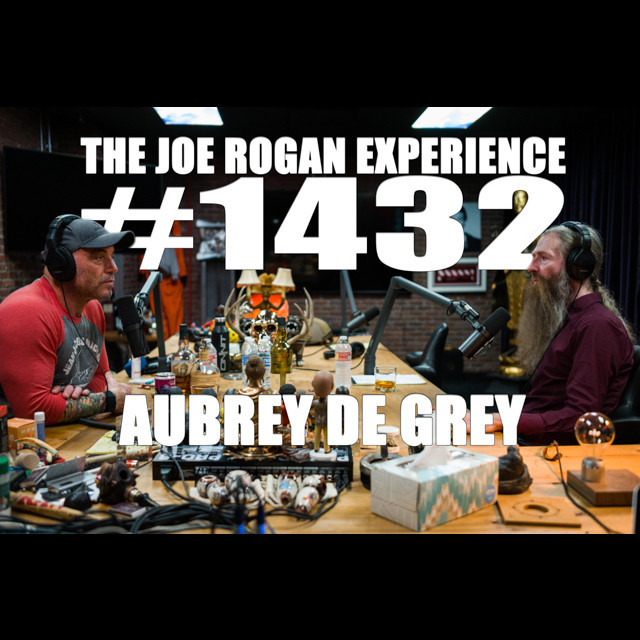
This Joe Rogan podcast dives into the fascinating world of Aubrey de Grey, a leading figure in the quest to defeat aging. De Grey, a renowned gerontologist and Chief Science Officer of the SENS Research Foundation, shares his bold vision for a future where aging is no longer an inevitable decline but a treatable medical condition. Provocative topics like the science of aging, the potential of stem cell therapies, the impact of longevity on society, and even De Grey’s own lifestyle choices are explored. Underlying themes of scientific ambition, societal transformation, and the potential for a profound shift in human consciousness weave through this captivating conversation.
Key Topics in the Podcast
1. The Science of Aging: A Complex Problem
- De Grey explains aging as a consequence of physics, akin to wear and tear on a machine, rather than a solely biological process.
- He debunks common misconceptions, stating that our understanding of aging has been largely complete for decades and that the focus now lies on finding solutions.
- De Grey emphasizes that the body is designed to tolerate a certain level of damage before experiencing functional decline, but beyond that point, evolution has no vested interest in our continued well-being.
- He highlights that aging is a gradual process, with its impact becoming more significant after the age of 40-50, when the rate of damage accumulation starts to accelerate.
2. The Promise of Damage Repair: A Divide and Conquer Approach
- De Grey advocates for a “divide and conquer” strategy to tackle aging, focusing on repairing specific types of damage at the molecular level.
- He highlights the SENS Research Foundation’s commitment to tackling the most challenging types of damage, as easier ones are already being addressed by other researchers.
- De Grey underscores the need for philanthropic funding to support high-risk, high-reward research that might not attract government grants.
- He expresses optimism about the progress made in understanding damage repair mechanisms and the growing private sector interest in this field.
3. Stem Cell Therapies: A Breakthrough on the Horizon
- De Grey emphasizes the potential of stem cell therapies to address aspects of aging, particularly neurodegenerative diseases like Parkinson’s.
- He cites a groundbreaking clinical trial from 25 years ago where a single injection of dopaminergic precursor cells from aborted fetuses effectively reversed Parkinson’s symptoms in a patient.
- He highlights the advancements in stem cell manipulation techniques, leading to ongoing clinical trials for Parkinson’s treatment that hold immense promise.
- De Grey acknowledges the importance of a cautious approach, emphasizing the need for further research and refinement of stem cell therapies before widespread adoption.
4. The Anti-Aging Community: A Shifting Mindset
- De Grey discusses the cultural and societal resistance to aging, highlighting the tendency to view it as a natural and inevitable process, rather than a medical problem.
- He acknowledges the psychological burden of the prospect of decline and the need to find ways to cope with it.
- He critiques the romanticization of aging, arguing that it should be viewed as a disease requiring intervention.
- De Grey asserts that the prospect of a pill to stop aging is not a dystopian fantasy, but a moral imperative to alleviate the suffering caused by aging and disease.
5. The Impact of Longevity: A Societal Transformation
- De Grey explores the profound implications of increased lifespan on society, highlighting the need for changes in economic structures, healthcare systems, and retirement models.
- He predicts a significant shift in public expectations, with people expecting to live much longer and healthier lives, demanding policies and solutions to accommodate this change.
- He argues that the economic benefits of longevity, such as increased productivity and longer periods of active contribution to society, outweigh the concerns about overpopulation.
- De Grey emphasizes the importance of anticipatory planning and policy changes to prepare for the societal transformation brought about by longevity.
6. The Role of CRISPR: Gene Editing for Rejuvenation
- De Grey delves into the groundbreaking technology of CRISPR, explaining its potential for gene editing and its application in aging research.
- He highlights the development of CRISPR as a cheaper, easier, and more precise tool for gene editing compared to previous methods.
- De Grey acknowledges the ethical complexities and potential risks associated with CRISPR, particularly in the context of germline editing.
- He argues that CRISPR, while not a complete solution, offers significant possibilities for repairing specific genetic damages associated with aging.
7. The Ethics of Medical Tourism: A Balancing Act
- De Grey explores the controversial practice of medical tourism, particularly in relation to stem cell therapies.
- He acknowledges the lack of regulation and standardized protocols in these offshore clinics, but also recognizes the potential for valuable data and insights from these treatments.
- De Grey emphasizes the need for transparency and data sharing from medical tourism providers to enhance our understanding of the effectiveness and safety of these treatments.
- He advocates for a nuanced approach, acknowledging the potential benefits while recognizing the need for responsible and ethical practices.
8. The Role of Fasting: A Mixed Bag
- De Grey discusses the potential benefits of fasting, particularly in relation to cancer, where it may slow down tumor growth.
- He highlights the well-established scientific evidence that calorie restriction extends lifespan in mice and rats, but points out that the impact is less significant in longer-lived species.
- De Grey explains that while fasting may have some health benefits, it is unlikely to have a significant impact on extending lifespan compared to the potential of biologics and other therapies.
- He emphasizes the importance of understanding the species-specific responses to fasting and its limitations in human longevity.
9. The Importance of Mindset: Stress Management and Well-Being
- De Grey explores the link between stress and aging, highlighting the role of hormones in accelerating damage accumulation.
- He points to the observation that centenarians often share a common trait: they are remarkably resilient and unbothered by stress.
- De Grey acknowledges the importance of stress management techniques, but emphasizes that true longevity will be achieved through medical interventions.
- He highlights the importance of cultivating a resilient and positive mindset, but cautions against relying solely on lifestyle changes for meaningful lifespan extension.
10. The Future of Work: A New Paradigm
- De Grey discusses the impact of automation and artificial intelligence on the future of work.
- He predicts a significant decline in traditional jobs and the need for a new paradigm of work, possibly resembling national service or universal basic income.
- He argues that extended lifespan will necessitate a rethinking of pensions and retirement models, as people will be active and contributing for longer periods.
- De Grey emphasizes the importance of education and continuous learning to ensure that people remain engaged and fulfilled in a world with fewer traditional jobs.
11. The Anticipation of a Transformation: A Global Shift
- De Grey anticipates a rapid and dramatic shift in public expectations as the possibility of defeating aging becomes more evident.
- He predicts that once scientific consensus emerges, public opinion will swiftly demand action from policymakers and governments.
- He highlights the need for a global war on aging, with significant investments in research, infrastructure, and training.
- De Grey expresses concern about the current lack of funding and the need for a change in the mindset of decision-makers to embrace the possibilities of longevity.
12. The Role of Artificial Intelligence: A Potential Boon or Risk?
- De Grey acknowledges the legitimate concerns about artificial intelligence and its potential for unintended consequences.
- He emphasizes the reliance of current AI on human input and interaction, suggesting that it is unlikely to become truly autonomous and uncontrollable.
- De Grey advocates for continued research and vigilance in the development of AI, recognizing the need to mitigate potential risks and ensure ethical development.
- He expresses cautious optimism about the potential of AI to solve complex problems, including those related to aging.
13. The Future is Bright: Embracing a New Era
- De Grey paints a vibrant picture of the future, with extended lifespan leading to profound cultural and societal shifts.
- He emphasizes the importance of embracing change and the incredible potential of this new era for human progress and exploration.
- De Grey encourages listeners to look forward to the possibilities of longevity and the opportunities it presents.
- He concludes by reaffirming his belief in the inevitability of a future where aging is no longer a factor in human lives.
Memorable Quotes
- “Aging is simply the same thing in a living organism like you or me as what it is in a car or an airplane or any other simple man-made machine. It’s a fact of physics. Nothing to do with biology.”
- “The main thing is I don’t have to persuade anyone anymore. People get it that damage repairs is at least, if not the way to go, at least a very promising way to go.”
- “You’d be a fool not to take it. The idea that this romantic look, if it was a rare thing, that people aged… We would look at it with great sadness as someone was afflicted with this aging.”
- “It’s not necessarily that they have had particularly stress-free lives. The thing is that when they encounter a stressful situation, they cope with it really well.”
- “I think it makes no sense to think about what one’s gonna be doing in the distant future. You know, people… I said, ‘What time do you want to go to the toilet next Sunday?’ And he looked at me at, like, in, and I said, ‘Yeah, you haven’t.’ The same idea why I asked you that question, do you?”