14-Apr-20
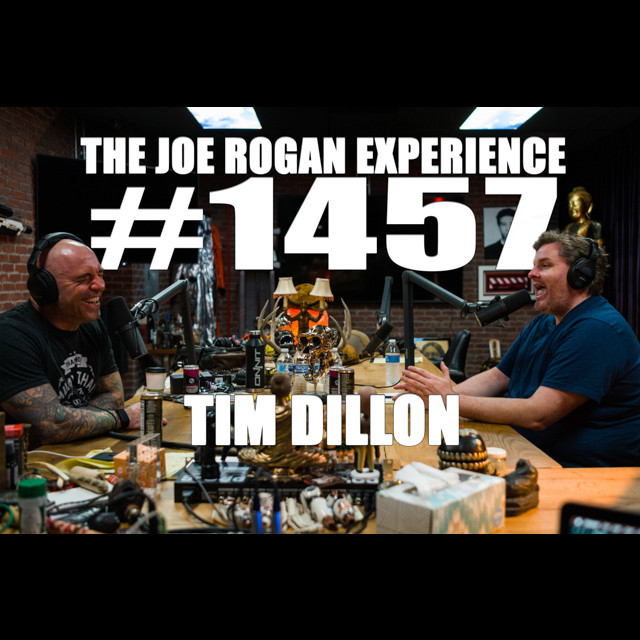
Joe Rogan Podcast #1457 – Tim Dillon: Topics and Analysis
This podcast features a dynamic conversation between Joe Rogan and comedian Tim Dillon. They cover a wide range of topics, including the COVID-19 pandemic, political discourse, conspiracy theories, and the entertainment industry. The conversation touches upon deep underlying themes of skepticism, societal anxieties, and the human condition.
1. COVID-19 Pandemic Skepticism and Conspiracy Theories
- Dillon expresses both skepticism and anxiety about the pandemic, oscillating between dismissing it as a hoax and fearing its potential consequences.
- The podcast delves into the spread of misinformation, the role of social media in fueling conspiracies, and the difficulty in discerning credible information.
- The origin of the virus, with speculation about its potential link to a lab in Wuhan, is explored. Dillon highlights how conflicting theories gain equal weight in a climate of uncertainty.
- The discussion touches upon potential consequences of the pandemic, including a loss of civil liberties and a shift towards surveillance and control.
2. The Politicization of the Pandemic
- Dillon critiques the media’s role in exaggerating the pandemic’s severity, using clickbait headlines and sensationalized reporting.
- He criticizes the lack of transparency and preparedness from both the World Health Organization and the Trump administration.
- The conversation highlights the lack of adequate testing and the chaotic response from different states in securing essential medical equipment.
- Dillon questions the effectiveness of lockdowns and stimulus packages, arguing that the solutions are not necessarily political, but rather require a more nuanced and collaborative approach.
3. The Role of Billionaires and Big Tech
- Dillon raises concerns about the increasing influence of billionaires, particularly Bill Gates, in shaping public health policies and promoting their own agendas.
- He discusses controversial vaccine initiatives by the Gates Foundation and raises questions about potential conflicts of interest.
- The podcast touches upon the power of big tech companies in controlling information, shaping social norms, and potentially influencing government policies.
- Dillon emphasizes the need for skepticism and vigilance in examining the motives and actions of powerful individuals and institutions.
4. The American Dream and Economic Inequality
- Dillon shares his personal experience with the subprime mortgage crisis, highlighting how the system was rigged against those seeking homeownership.
- He discusses the role of government intervention and the consequences of economic collapse on vulnerable populations.
- Dillon critiques the exploitative nature of student loans, arguing that the system often traps individuals in a cycle of debt and limits their choices.
- The conversation explores the growing divide between the haves and have-nots, particularly as the economy deteriorates and societal anxieties increase.
5. The Pandemic’s Impact on the Entertainment Industry
- Dillon shares his experience as a comedian during the lockdown, including the cancellation of shows and the shift towards online platforms.
- He discusses the unique challenges faced by comedians, particularly those reliant on live performance, and explores the evolving landscape of entertainment.
- The podcast touches upon the role of social media in shaping public perception and creating a climate of hypersensitivity in comedy.
- Dillon reflects on the future of stand-up comedy and the potential for new avenues of expression, such as podcasts and online residencies.
6. The Nature of Conspiracy Theories
- Dillon acknowledges the existence of powerful individuals and institutions that engage in nefarious activities, but expresses skepticism about the QAnon narrative and its extreme claims.
- He points to specific examples of media manipulation and misinformation, including the Covington kids incident, as evidence for the need to be critical of information.
- The podcast explores the fine line between credible skepticism and unfounded conspiracy theories, highlighting the dangers of blind faith and the importance of critical thinking.
- Dillon emphasizes the need for open discourse and the right to express dissenting opinions, even when they are controversial or uncomfortable.
7. The Human Condition: Vulnerability, Anxiety, and the Search for Meaning
- Dillon shares his personal anxieties and struggles with uncertainty, highlighting how the pandemic has amplified fears and anxieties for many.
- The podcast explores the human need for connection, community, and shared experiences, particularly in times of crisis.
- Dillon emphasizes the importance of humor and finding ways to cope with adversity, advocating for a balance between realism and optimism.
- The conversation highlights the enduring human spirit and the potential for resilience and hope, even in the face of overwhelming challenges.
8. The Future: Uncertainties, Possibilities, and the Role of Technology
- Dillon expresses concern about potential advancements in technology, particularly AI, and its impact on society.
- He highlights the dangers of surveillance and the potential for the erosion of privacy in a world dominated by technology.
- The podcast touches upon the potential for new pandemics and the need for greater preparedness and a more collaborative approach to global health challenges.
- Dillon emphasizes the importance of human connection, critical thinking, and a sense of agency in navigating a rapidly changing world.
9. The Absurdity of the Human Experience
- Dillon highlights the inherent absurdity of the human experience, particularly in the context of the pandemic and its effects on society.
- He finds humor in the irrationality of human behavior, including the excessive consumption of alcohol and the pursuit of superficial pleasures like cruises.
- The podcast explores the strange and often contradictory nature of human behavior, highlighting both our capacity for cruelty and our capacity for love.
- Dillon emphasizes the importance of embracing the absurdity of life and finding ways to laugh at ourselves and our shared human failings.
Memorable Quotes:
- “One day I wake up, I go this virus is fake. The next day, I wake up, I go, I’m gonna die today. So I don’t know what to believe.”
- “The real fear is that they’re practicing with these vaccines on poor people. That’s what they’re doing. They’re doing it. They’re doing it.”
- “You know, it’s like, guys like me are in trouble. But, you know, guys like yourself, you could get a ventilator. I’ll hook you up. You could have a ventilator. immediately almost if you wanted a ventilator.”
- “If you have to have everything on your phone, like showing that you’re positive, you know, you have to have a phone where? You have the car. You have to take out your car that you’re positive to get into Applebee’s.”
- “The dangerous people aren’t the guys that were born rich. The danger he goes, they are dangerous because the most dangerous people are the guys like Buttigieg who will do anything. They come from outside and he goes, they’re just it’s raw ambition. They’ll do anything to get where they’re going. Those people are more terrifying than the Kennedy’s or bushes who were born, you know, and those families are murdered.”