23-Apr-20
“`html
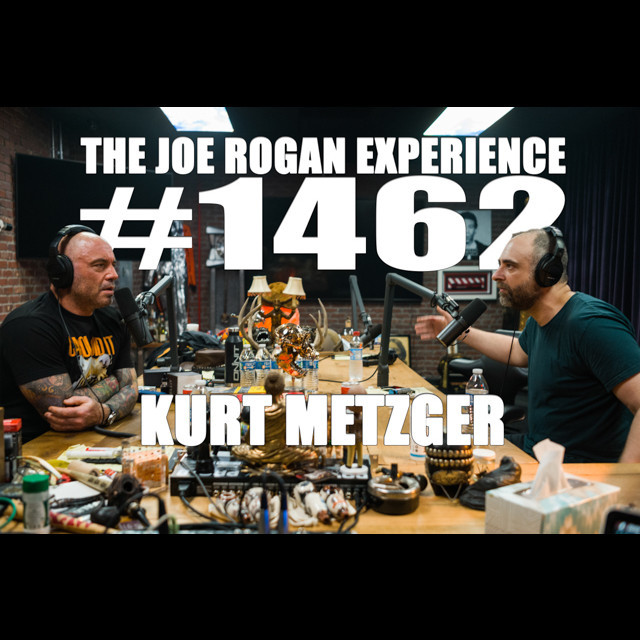
This podcast features comedian and writer Kurt Metzger discussing a variety of thought-provoking and controversial topics with Joe Rogan. Metzger shares insights from his personal experiences, critiques on societal norms, and reflections on contemporary issues, showcasing a blend of humor and philosophical depth.
1. The Nature of COVID-19 and Public Perception:
- Metzger expresses skepticism about the information circulating regarding asymptomatic COVID-19 cases, highlighting concerns about trust in media narratives.
- The discussion includes perceptions of government information and its influence on public behavior during the pandemic.
- They reference news segments as examples of sensationalized accounts contributing to widespread anxiety.
- This segment encapsulates anxiety surrounding COVID-19 and how public narratives can affect individual behavior and societal perception.
2. Cult Dynamics and Personal Identity:
- Metzger recounts his upbringing as a Jehovah’s Witness, reflecting on the rigid beliefs and societal pressures that often accompany such groups.
- The conversation explores the patterns of behavior seen in both religious cults and social movements like modern-day activism.
- Highlights the necessity of belonging and the lengths individuals will go to maintain their identities within a group.
- Underlines the psychological tactics used to control members and the struggle of leaving such environments.
3. The Role of Religion in Society:
- Metzger shares a nuanced view on the purpose of religion and its emotional significance for many, despite any logical church against it.
- He acknowledges that while some find comfort and structure in religion, others may manipulate it for personal gain.
- The discussion questions the fundamental nature of belief and the thin line between faith and dogma.
- Metzger proposes that the essence of moral tenets should be emphasized over religious identities.
4. Celebrity Culture and Moral Complexity:
- Metzger and Rogan discuss the reputations of celebrities like Chris Pratt, contrasting genuine behavior with performative virtue signaling.
- This segment touches on the perceptions of Christian values within celebrity culture and the potential hypocritical behavior behind them.
- The value of leading by example rather than preaching is emphasized, showcasing the complex nature of morality in the public eye.
- They highlight how celebrities may manipulate their faith for public approval while lacking authenticity.
5. The Shifting Landscape of Music and Culture:
- Conversation shifts to generational differences in music preferences and how exposure to media has changed over the years.
- Metzger humorously reflects on cultural touchstones like bands or artists that he has only recently discovered.
- They consider the implications of music consumption and how easily it has become to overlook iconic artists in contemporary settings.
- This serves as a contemplative discussion on the passage of time and cultural erasure as trends change.
6. The Nature of Media and Outrage:
- Metzger critiques the sensationalism prevalent in contemporary media, especially during crises.
- The conversation underscores the performative nature of journalism amidst a growing culture of outrage.
- They delve into how social media has transformed public discourse and created a more polarized environment.
- This dissection of media behavior raises questions about accountability and the responsibility of journalists.
7. The Value of Honesty in Politics:
- Discussions turn to the political climate and the manipulation of public opinion by both sides.
- They briefly examine the complexities of conspiracy theories surrounding notable political figures.
- Metzger suggests that honesty and straightforwardness could bridge gaps between polarized views.
- Such discussions emphasize the importance of transparency in political communication.
8. Artistic Expression vs. Corporate Interest:
- The hosts discuss the impact of corporate influence on artistic expression in media and entertainment.
- Metzger argues that commercial interests often dilute artistic integrity, stifling creativity.
- They question whether true art can exist when it is beholden to profit-driven motives.
- This analysis reflects a growing concern about the commercialization of culture.
9. The Influence of Social Media on Public Relations:
- Metzger touches on the rise of personal branding, where individuals curate their online personas.
- He alludes to the consequences of this trend, particularly the rise of anger-driven content.
- This observation brings forth questions about authenticity in online interactions.
- Calls for a reevaluation of how public figures manage their image in the era of social media.
10. The Complexity of Human Relationships:
- Metzger ponders the human need for connection and how relationships have evolved in modern society.
- This led to contemplation on how digital interactions are shaping personal communication and intimacy.
- Underlying themes consider the consequences of modern technology on human connection.
- Metzger advocates for the maintenance of genuine interactions despite systemic changes.
11. The Importance of Mental Health Awareness:
- Discussion on the increasing importance of mental health in a post-pandemic world.
- They explore societal expectations around mental health discussions and transparency.
- Highlighting the importance of honest conversations regarding emotional struggles and the stigma attached.
- Encouragement for listeners to prioritize their mental well-being, fostering a healthier environment.
12. The Impact of Increasing Drug Availability:
- Metzger relates thoughts on the normalization of psychedelic use in society.
- The hosts discuss the therapeutic potentials of these substances contrasted with previous societal attitudes.
- Insights into how drug culture is evolving and its potential implications for mental wellness.
- This topic ignites discussions about regulation and responsibility as substances become more mainstream.
13. The Norms of Stand-Up Comedy:
- Metzger reflects on the evolving landscape of stand-up comedy, touching on the increasing sensitivity from audiences.
- Rogan and Metzger discuss balancing humor and offense in art, examining modern comedic trends.
- Metzger shares thoughts on the fear comedians face when tackling controversial topics.
- This segment serves as a critique of societal expectations surrounding humor in today’s climate.
14. The Dichotomy of American Culture:
- Metzger analyzes the stark divisions within American culture, exploring the implications of such polarization.
- They draw parallels between American values and behaviors across various groups.
- The conversation dives into understanding how these divisions manifest in day-to-day life.
- A call for unity amongst diverse groups is central, emphasizing common ground amidst differences.
15. Social Activism and the Role of Humor:
- Metzger weighs in on the current state of activism, critiquing how certain movements utilize humor as a persuasion tool.
- They examine when humor can be disarming and when it turns divisive or alienating.
- Insights on how humor can act as a bridge or barrier depending on context are shared.
- This segment encourages comedic approaches to difficult conversations while recognizing their complex nature.
5 Memorable Quotes:
- “Trying to live in a world controlled by media narratives is like walking through a minefield.” – Metzger discusses the tenuous balance between truth and perception in media.
- “The conformity associated with belief systems can often overshadow individual thought.” – Metzger on the pressure of group dynamics.
- “Real morality is about behavior, not just tenets.” – Metzger emphasizes the importance of genuine actions over preachy doctrines.
- “Comedy’s role is to challenge, not just appease, the audience.” – Reflecting on the evolving expectations of comedians.
- “Understanding my past helps me digest the present.” – Metzger on the lessons learned from his upbringing and how they shape his worldview.
“`