12-May-20
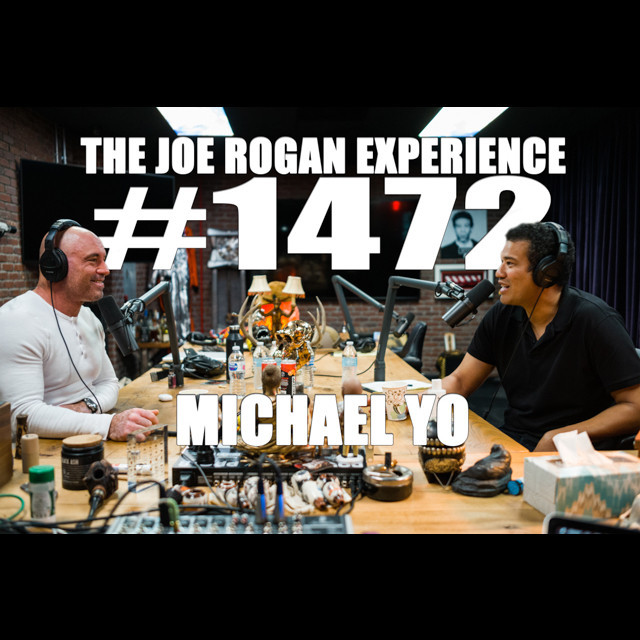
This podcast episode features comedian Michael Yo recounting his experience with COVID-19, his perspective on the UFC, his thoughts on religion and politics, and his insights on personal growth and challenging oneself. Provocative topics include the dangers of ibuprofen during COVID-19, the effectiveness of ventilators, the misinformation surrounding the virus, and the role of race and class in society. Underlying themes delve into the importance of personal responsibility, the impact of travel on one’s immune system, the complexities of belief systems, and the ever-present challenges of navigating a divided world.
Joe Rogan Podcast #1472 – Michael Yo Topics
1. Michael Yo’s COVID-19 Experience:
Yo recounts his journey with COVID-19, from feeling tired and run down to struggling to breathe and eventually landing in the ICU. He emphasizes the debilitating pain he experienced and the fear he felt of dying alone.
Yo credits his doctor’s decision to avoid ventilators for his survival. He reveals that his doctor believed ventilators could actually worsen a patient’s condition by weakening their bodies, based on the high mortality rates associated with their use.
Yo details the variety of medications he was given, including aspirin, ibuprofen, Tylenol, hydroxychloroquine, and an HIV drug. His experience highlights the uncertainty and experimental nature of treating a new virus.
He describes the lengthy recovery process and the lingering effects of the virus, emphasizing the importance of physical therapy and building back strength.
2. Controversial Aspects of COVID-19 Treatment:
Yo shares his doctor’s concerns about the widespread use of ventilators, highlighting the conflicting opinions among medical professionals. He emphasizes the need for more research and a better understanding of the effectiveness of different treatments.
Yo raises questions about the use of ibuprofen, which some experts believe can worsen COVID-19 symptoms. He discusses the lack of definitive scientific evidence supporting this claim.
He expresses skepticism about the effectiveness of hydroxychloroquine, highlighting the uncertainty surrounding its role in COVID-19 treatment. He notes that he was taken off the drug due to concerns about its potential negative effects on his body.
He discusses the misinformation surrounding the virus, including the claim that people who recover from COVID-19 can still be contagious for up to 14 days after being cleared. He believes this misconception contributes to the lack of widespread testing upon hospital discharge.
3. UFC Commentary and the Fight at a Closed Arena:
Yo shares his unique experience commentating on a UFC fight held in a closed arena. He describes the strange atmosphere and the ability to hear the fighters and the impact of strikes more clearly without the usual crowd noise.
Yo believes the fighters were listening to his commentary and adjusting their strategies accordingly. He notes the increased importance of the commentary team’s insight in the absence of a roaring crowd.
He discusses the significance of the empty arena as a spectacle, a testament to the resilience of the sport and the unprecedented circumstances surrounding the pandemic.
He contemplates whether the fight between Tony Ferguson and Justin Gaethje would have been different if a crowd had been present, acknowledging the possibility but ultimately believing Justin’s victory would have stood.
4. The Importance of a Healthy Immune System:
Yo emphasizes the role of a strong immune system in fighting off illness. He highlights the importance of prioritizing rest, nutrition, and supplementation to enhance one’s immune response.
He shares his doctor’s belief that the focus on social distancing and handwashing is necessary but insufficient. He advocates for education on boosting one’s immune system through diet, exercise, and supplementation.
Yo advocates for the use of saunas, citing scientific studies that suggest regular sauna use can significantly reduce the risk of all-cause mortality. He believes his own daily sauna routine has been instrumental in maintaining his health.
He suggests that the focus on pre-existing conditions as a primary factor in COVID-19 severity is misleading. He believes this focus is an attempt to downplay the virus’s potential impact on otherwise healthy individuals.
5. Navigating a Divided World:
Yo expresses frustration over the politicization of basic health measures like wearing masks. He highlights the absurdity of turning a pandemic into a political battleground, arguing that it should be a collective effort to protect everyone.
Yo discusses the dangers of generalizations and the importance of avoiding harmful stereotypes. He criticizes those who equate religion with negative behavior, arguing that judging an entire group based on the actions of a few is unjust.
He critiques the use of religion as a tool for political manipulation, particularly the hypocrisy of churches claiming to uphold certain values while contradicting those principles through their actions.
Yo explores the complexities of human nature, acknowledging both the capacity for laziness and the potential for greatness. He emphasizes the importance of personal responsibility and striving for self-improvement.
6. The Power of Personal Growth and Challenging Oneself:
Yo discusses the importance of challenging oneself and pushing beyond comfort zones. He admires individuals like David Goggins and Jocko Willink, who embody a relentless pursuit of self-improvement.
He shares his own commitment to physical fitness, highlighting the benefits of pushing himself to his limits through intense workouts. He believes this approach allows him to appreciate rest and peace more deeply.
Yo suggests that struggle can be a valuable catalyst for personal growth, emphasizing that overcoming challenges can lead to a deeper appreciation for life and a stronger sense of purpose.
He acknowledges the role of genetics and circumstance in shaping individual outcomes, but encourages individuals to learn from their experiences and strive for personal betterment despite adversity.
7. The Perils of Laziness and the Importance of Action:
Yo tackles the issue of laziness, arguing that while some individuals may face genuine challenges, many others use it as an excuse for inaction.
He emphasizes the unattractiveness of laziness in relationships and business, arguing that it can be destructive to both personal and professional goals. He advocates for surrounding oneself with driven individuals who inspire and motivate.
Yo criticizes those who shame others for losing weight too quickly, arguing that it sends a contradictory message about body image and reinforces the notion that body positivity is only acceptable for certain body types.
He ultimately believes that individuals should strive for health and well-being, emphasizing the importance of both physical and mental fitness.
8. The World of UFOs and Secret Organizations:
Yo dives into the fascinating world of UFOs, sharing his excitement about the recent release of Pentagon footage showing unidentified flying objects. He acknowledges the skepticism of debunkers but maintains that the evidence is undeniable.
He believes that the Pentagon’s decision to release the footage is a strategic move designed to gauge public reaction and potentially prepare the population for a larger disclosure.
He contemplates the existence of secret organizations operating above the level of presidents, speculating on the potential control they exert over world leaders.
Yo discusses the complexities of navigating information in a world where truth can be manipulated and hidden, emphasizing the importance of critical thinking and open-mindedness.
9. The Ongoing Struggle Against Racism:
Yo addresses the tragic death of Ahmaud Arbery, a black man who was shot and killed by two white men while jogging. He condemns the act as vigilantism and racism, emphasizing the need for justice and accountability.
He reflects on the legacy of racism in the United States, highlighting the historical and systemic roots of inequality. He shares his own family’s experiences with racism and discrimination, emphasizing the enduring nature of this problem.
He discusses the importance of challenging racist attitudes and behaviors, highlighting the need for open dialogue and a commitment to dismantling systems of oppression.
He emphasizes that while progress has been made, the fight for racial equality is far from over. He believes that continued vigilance and education are essential in creating a more just and equitable society.
10. The Future of Humanity and the Role of Technology:
Yo explores the potential implications of Elon Musk’s Neuralink technology, a brain-computer interface that could dramatically enhance human cognition.
He contemplates the possibility of a future where wealthy individuals gain access to advanced technology, creating a widening gap between the haves and have-nots. He expresses concern about the potential for inequality and exploitation.
He believes that technology can be a powerful force for good, but it also carries risks. He emphasizes the importance of ensuring equitable access and addressing the ethical implications of such advancements.
Yo concludes by emphasizing the need for compassion, empathy, and a commitment to justice as we navigate the complexities of an ever-changing world. He hopes that we can learn from the past and create a brighter future for all.
5 Memorable Quotes from Joe Rogan Podcast #1472 – Michael Yo
- “My doctor saved my life. He said, ‘If we put you on a ventilator, he’s gonna die.'”
- “If I went on a ventilator, bro, I don’t know if I may not be here.”
- “They’re opening up the country, and I get it. But you need to be safe.”
- “The most important thing is education on how to keep your immune system healthy.”
- “I’m gonna take risks. I’m gonna because you never know how long you’re gonna be here.”