3-Jun-20
“`html
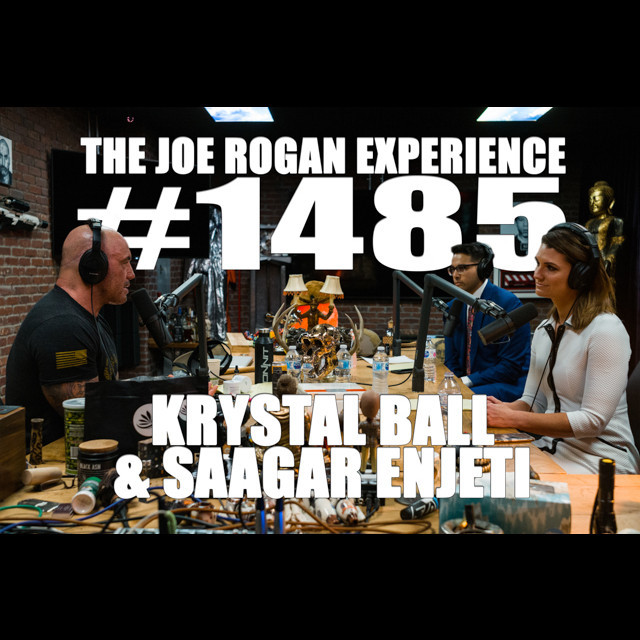
This podcast features Krystal and Saagar, hosts of the American daily news and opinion web series “Rising,” produced by The Hill. They discuss a variety of political and social topics, offering insights into the current political climate and the media landscape. The conversation explores deep underlying themes of political polarization, the influence of money in politics, the impact of social media on discourse, and the breakdown of trust in institutions.
Here are 15 major topics covered in the podcast:
The Rise of Rising
- Honest, Unfiltered Discourse: Krystal and Saagar emphasize the importance of calling it like it is, regardless of party lines, in an era of increasingly partisan media.
- Bridging the Divide: They aim to create a space for genuine dialogue between individuals with differing political perspectives, valuing their shared humanity.
- A Different Kind of Left-Right Dynamic: Krystal and Saagar challenge the traditional left-right paradigm, suggesting that there’s more common ground on economic issues and greater disagreement on cultural ones, reflecting a changing political landscape.
- The Power of Authenticity: Their success is attributed to their willingness to be honest and critical of their respective teams, even when it’s uncomfortable.
The Grift of Washington D.C.
- The Talking Points System: Krystal and Saagar expose the system of pre-packaged messaging and talking points used by political campaigns and media outlets, highlighting the lack of genuine independent thought.
- Incentives for Conformity: They discuss how the political establishment incentivizes staying within the party line, offering career advancement, access, and protection for those who toe the line, even at the expense of honesty.
- The Revolving Door: The podcast explores the phenomenon of politicians and media personalities transitioning between government, think tanks, and lobbying firms, highlighting the potential for conflicts of interest and corruption.
- Credentialism as a Barrier: Krystal and Saagar argue that the system of credentialism and gatekeeping within media and politics limits the entry of dissenting voices, perpetuating a cycle of conformity.
Social Media’s Impact on Politics
- The Reductionist Nature of Social Media: The conversation highlights how the limited character count of platforms like Twitter encourages oversimplification and reductionism, hindering nuanced discourse and fostering division.
- Virtue Signaling and Rhetorical Politics: Krystal and Saagar criticize the prevalence of virtue signaling, where individuals prioritize appearing politically correct over engaging in genuine dialogue or seeking solutions.
- The Social Media Addiction: They acknowledge the addictive nature of social media and its potential to negatively impact mental health, encouraging listeners to be mindful of their usage and to engage in healthy digital habits.
- The Strategic Use of Social Media for Division: Krystal and Saagar explore the intentional manipulation of social media by political and media elites to pit groups against each other, diverting attention from critical economic and social issues.
The Trump Presidency and its Aftermath
- The Existential Stakes of Politics: Krystal and Saagar discuss the sense of existential urgency that has gripped both sides of the political spectrum, making it challenging to have thoughtful and productive dialogue.
- The Populist Movement and Trump’s Appeal: They delve into the reasons behind Trump’s electoral success, highlighting the disconnect between the elite political class and the concerns of working-class Americans.
- Trump’s Lack of Depth and Focus: They question Trump’s understanding of complex issues and suggest that his focus might be primarily on winning the daily news cycle rather than engaging in meaningful policy development.
- The Dangers of Military Intervention: Krystal and Saagar express concern over Trump’s rhetoric and actions regarding deploying the military to American cities, arguing that such actions would escalate violence and undermine the country’s democratic institutions.
The Current State of American Society
- The Breakdown of Trust in Institutions: The podcast highlights the widespread distrust in government, media, and other institutions, fueled by perceived corruption, incompetence, and a lack of responsiveness to public concerns.
- The Nihilistic Sentiment and the Desire for Change: Krystal and Saagar discuss the growing sentiment among Americans who feel disillusioned with the political system and believe that a fundamental overhaul is necessary.
- The Role of Economic Inequality: They emphasize the role of economic inequality in exacerbating political polarization and fueling unrest, highlighting the growing gap between the wealthy elite and the working class.
- The Importance of Addressing Root Causes: Krystal and Saagar argue that simply cracking down on violence or unrest is insufficient and that addressing the underlying economic and social issues is crucial to achieving long-term stability and progress.
The Future of Politics and Society
- The Need for a New Approach: Krystal and Saagar advocate for a new approach to politics that prioritizes honest discourse, addressing economic inequality, and fostering a sense of shared purpose and belonging.
- Building Alternative Centers of Power: They emphasize the importance of creating alternative media outlets and organizations that can provide a platform for dissenting voices and challenge the dominance of the corporate-controlled media landscape.
- The Importance of Hope and Action: They express cautious optimism that the current unrest can be a catalyst for positive change, urging listeners to engage in meaningful political action and to push for policies that benefit the working class.
- The Need for a National Conversation: They call for a national conversation on issues of policing, economic inequality, and the role of government in addressing these challenges, emphasizing the need for a more inclusive and equitable society.
Memorable Quotes:
- “It’s so rare that someone is just calling it like it is like what you see. And, obviously, you guys don’t agree on everything, and I you know, no one does. But, right, we all have varying opinions, but you say what you feel. and that is so valuable today. It’s so unusual.”
- “It’s not easy to sort of be out there on your own, you know, and I and I don’t wanna paint just sort of trying to be honest as a more noble act than it actually is. But it’s very safe if you’re within the party structure, if you’re saying the things that they want you to say, there’s a whole system set up for that. There’s a career system set up for that. there’s a system of protection.”
- “The lines have never been more drawn at least in the time than that we’ve been doing the show as they are right now. And so it’s it is a it’s not an easy dynamic to navigate because most of the country is just completely coming apart.”
- “It’s all been more out in the open. We were trying to figure out how Nancy Pelosi made all her money. We were like, what’s her husband. Right? Is that it? I think he’s I think so. How did he make his money? I think of that. I don’t know. It has to be some — Well, her dad was like a shenanigans going on. — more mayor or something. I don’t know. But with just the amount of money, that’s involved in these decisions…”
- “The 1 the number one thing that they were most concerned about was political corruption. And you look at what is happening in the country right now, and the fact that our institutions have no credibility, that there’s no expectation that you could affect change through traditional channels. I mean, that feeds into exactly the rage that’s exploding across the country.”
“`