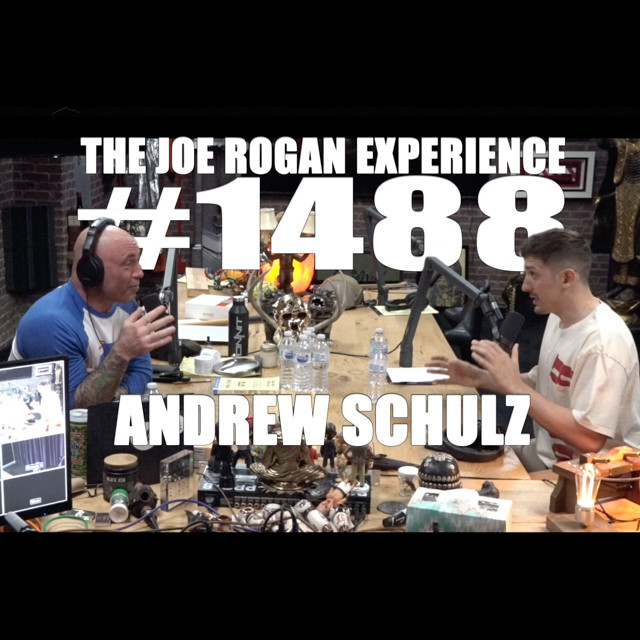
9-Jun-20
“`html
This podcast features Andrew Schulz and Joe Rogan discussing various provocative and thought-provoking topics ranging from comedy and personal experiences, to societal issues and conspiracies. The conversation dives into the intricacies of the entertainment industry, the impact of the pandemic on society, and the complex relationship between public figures and their actions. Here are the significant themes explored during this episode.
1. The Role of Comedy in Society:
- Discussed how comedy can serve as a reflection of society, pointing out absurdities and igniting critical conversations.
- Schulz shares anecdotes from his career, illustrating how comedians navigate controversial topics.
- Importance of humor in addressing serious issues without alienating audiences.
- Highlighted how comedians adapt their material in light of social changes and evolving sensitivities.
2. The Impact of the Pandemic on the Comedy Scene:
- Talked about the temporary closures of comedy clubs and the shift to virtual performances.
- Schulz reflects on how the pandemic forced comedians to rethink their craft and connect with fans creatively.
- Examined the financial implications for comedians and venues struggling to survive during this time.
- Discussion on the resurgence of live performances and the excitement surrounding it.
3. COVID-19 and Misinformation:
- Both hosts addressed the spread of misinformation regarding the virus and its impact on public perception.
- Questioned the conflicting messages from health experts and politicians throughout the pandemic.
- Explored the phenomenon of ‘Monday morning quarterbacking’ when reviewing past decisions during the crisis.
- Discussed the importance of self-education and critical thinking in understanding this pandemic.
4. Cultural Commentary on Political Figures:
- Engaged in a deep discussion about public figures like Tom Hanks and the spread of conspiracy theories related to them.
- Challenged the validity of beliefs surrounding influential people and their actions.
- Talked about how public perception can be shaped by fear, politics, and media narratives.
- Schulz and Rogan questioned the consequences of believing in pervasive conspiracy theories.
5. Effectiveness of Protests in Driving Change:
- Examined the recent protests and riots as responses to systemic issues within society.
- Argued the nuanced difference between peaceful protests and looting, emphasizing the intention behind the actions.
- Discussed the validity of destruction of property as a form of expressing discontent.
- Consideration of whether real change can occur from such unrest and what it might look like.
6. The Psychological Impact of Social Media:
- Discussed the role social media plays in shaping public discourse and individual behavior.
- Explored the addictive nature of these platforms and their influence on the spread of news and misinformation.
- Schulz shared thoughts on how social media can amplify voices but also create echo chambers.
- Touched upon the responsibility of users to discern information and participate mindfully.
7. Critical Examination of Law Enforcement:
- Debate arose around police practices and systemic issues leading to brutality.
- Schulz shared insights from conversations with friends in law enforcement, emphasizing the need for change.
- Rogan addressed the necessity for better training and accountability in policing.
- Discussions on how to empower good cops while addressing the problems created by those who abuse their power.
8. Celebrity Gossip and Politics:
- Discussed the interconnectedness of politics, fame, and personal scandals.
- Schulz and Rogan analyzed how public image can be manipulated by public figures to maintain their status.
- Questioned the morality of individuals who use celebrity status for personal gain or manipulation.
- Reflected on how society often overlooks moral failings in exchange for entertainment.
9. Historical Perspectives on Crime and Punishment:
- Schulz shared his perspective on historical injustices and how they continue to reverberate through modern society.
- Conversation highlighted the need for reflection on past actions and their consequences.
- Rogan noted that understanding history is critical in making informed decisions for future corrections.
- Reflected on how current events can force society to confront uncomfortable truths.
10. Underlying Themes of Truth and Power:
- Both speakers addressed how the pursuit of truth interacts with the exercise of power in society.
- Importance of transparency in governance and the power dynamics inherent in speaking truth to power.
- Questioned the nature of democracy and whether it is truly serving all its citizens equally.
- Delved into the societal implications of dismissing inconvenient truths for the sake of comfort.
11. The Complexity of Human Motivation:
- Explored the many layers of human motivations behind actions taken by public figures and commentators.
- Schulz reflected on how personal experiences influence perspectives on societal issues.
- Rogan posed questions about integrity and consequence in public life versus private motivations.
- Considered the challenge of navigating personal versus public beliefs in times of turmoil.
12. Mental Health in the Wake of Crisis:
- Conversations veered into the importance of mental health, especially in the wake of the pandemic and civil unrest.
- Discussions on how these events have exacerbated preexisting mental health crises in society.
- Both reflect on the importance of promoting open conversations about mental well-being.
- Stressed how community support can play a crucial role in recovery and resilience.
13. Future of the Entertainment Industry Post-Pandemic:
- Examine the transformation of the entertainment industry in the face of the pandemic’s challenges.
- Discuss potential lasting effects on how content is consumed and created.
- Consider the role of technology in enhancing accessibility to performances and shows.
- Talked about the resurgence of live performances and what that might look like as venues reopen.
14. Broader Implications of Cultural Shifts:
- Considered the cultural effects of ongoing protests and their potential to reshape societal norms.
- Explored how a generational change in thinking can lead to tangible shifts in policy and law.
- Looked at cultural revolts and rebellions as catalysts for change, both good and bad.
- Reflected on the responsibility of art and artists in times of sociopolitical upheaval.
15. The Power of Music and Art in Society:
- Provided insights into how music and the arts serve as conduits for expression during times of turmoil.
- Schulz discussed the role of the artist as both a commentator and participant in defining cultural narratives.
- Asserted the healing power of art as a way for people to process trauma and find unity amidst chaos.
- Highlighted the responsibility artists bear in the messages they promote in their work.
5 Memorable Quotes:
- “Comedy is a form of therapy for both the performer and the audience, making sense of the absurd.” – Andrew Schulz
- “We need to hold public figures accountable in the same way we hold ourselves; there’s no leadership without responsibility.” – Joe Rogan
- “Understanding history is essential for making informed choices in the present day.” – Andrew Schulz
- “When people feel unheard, their frustration can manifest in unexpected and chaotic ways.” – Joe Rogan
- “If we don’t learn to listen to and understand each other, we lose the very foundation of our society.” – Andrew Schulz
“`