25-Jun-20
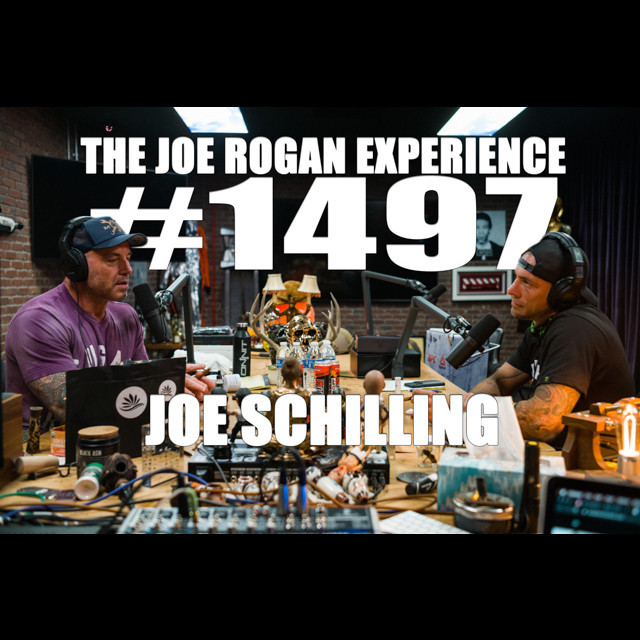
This podcast dives deep into the world of policing and societal unrest, exploring the complex issues of police brutality, the defunding movement, and the need for reform. Controversial topics like the role of the National Guard, the use of force, and the code of silence among officers are dissected. Underlying themes include the impact of police misconduct on public trust, the challenges of holding officers accountable, and the potential solutions for creating a more just and equitable system.
Major Podcast Topics
-
Police Brutality and the Role of Social Media
- Joe Schilling’s Instagram page showcases numerous instances of police brutality, challenging the narrative of “a few bad apples.”
- The visibility of these videos on social media fuels public outrage and demands for police accountability.
- Schilling argues that these videos are crucial for police reform, highlighting the need for better training and oversight.
- He believes that the lack of accountability for officers’ actions contributes to a culture of impunity and emboldens those who abuse their power.
-
Defunding the Police and its Implications
- Schilling expresses concerns about the defunding movement, believing it could lead to chaos and exacerbate existing problems.
- He questions the need for excessive militarization of police forces, suggesting that spending on tanks and weapons is counterproductive.
- He believes that real reform requires addressing systemic issues like private prisons, drug laws, and inadequate training.
- Schilling advocates for better pay, rigorous training, and mental health support for officers, arguing that these measures would attract better candidates and improve overall policing.
-
The Role of the National Guard in Protests
- Schilling critiques the use of the National Guard during protests, citing instances of excessive force and brutality.
- He believes that the National Guard, often composed of local individuals, could provide a more effective and respectful presence than regular police forces.
- He highlights the incident in Minnesota where National Guard members shot rubber bullets at women on their porch, demonstrating the potential for abuse.
- Schilling emphasizes the need for accountability and oversight for all law enforcement agencies, including the National Guard.
-
The “Code of Silence” and its Impact on Police Reform
- The podcast discusses the pervasive “code of silence” within police departments, where officers protect each other, even when misconduct occurs.
- Schilling argues that this culture of silence makes it extremely difficult to hold bad cops accountable and perpetuates a system of impunity.
- He believes that breaking the code of silence requires a radical overhaul of police departments, potentially involving mass firings and a new hiring process.
- He advocates for a system where officers are held accountable through independent investigations and are not shielded by their peers.
-
The Impact of Societal Unrest on Policing
- The podcast explores the link between societal unrest and police response, highlighting the increased tensions and violence during protests.
- Schilling points to the “let it burn out” strategy used in some cities, where authorities allow unrest to escalate in the belief that it will eventually subside.
- He argues that this approach is ineffective and can lead to further chaos and destruction, highlighting the need for more proactive and compassionate policing.
- He emphasizes the importance of protecting lives and property during protests, suggesting that alternative approaches, like increased social services and community outreach, could be more effective.
-
The Role of Agent Provocateurs in Protests
- Schilling discusses the potential use of “agent provocateurs” by authorities to incite violence during protests.
- He suggests that these individuals, often planted within protests, can escalate tensions and provide justification for a crackdown.
- He points to examples of similar tactics used in the past, including the World Trade Organization protests in Seattle.
- Schilling warns against falling prey to misinformation and encourages critical thinking when evaluating events and narratives surrounding protests.
-
The Fragility of Civilization and the Power of Misinformation
- The podcast explores the fragility of society, highlighted by the recent events of COVID-19, protests, and riots.
- Schilling emphasizes the ease with which people can be controlled and manipulated through media narratives and misinformation.
- He cautions against the dangers of blind trust in official narratives and encourages critical thinking and fact-checking.
- He believes that a lack of transparency and accountability from authorities, combined with the spread of misinformation, exacerbates societal divisions and mistrust.
-
The COVID-19 Pandemic: Science, Politics, and Misinformation
- The podcast delves into the ongoing debate surrounding the COVID-19 pandemic, exploring the scientific evidence, political responses, and the spread of misinformation.
- Schilling expresses skepticism about certain aspects of the pandemic narrative, highlighting inconsistencies in messaging and the potential for manipulation.
- He acknowledges the reality of the virus but questions the extent of its severity and the efficacy of certain public health measures.
- Schilling emphasizes the importance of individual responsibility and critical thinking, encouraging people to research and evaluate information independently.
-
The Rise of UFO Sightings and Government Secrecy
- The podcast touches on the recent surge in UFO sightings and the government’s evolving stance on the phenomenon.
- Schilling highlights the David Fravor incident, a documented encounter between U.S. Navy pilots and unidentified aerial vehicles.
- He emphasizes the scientific anomalies and the potential implications of these sightings, suggesting that they may challenge our current understanding of physics and the universe.
- Schilling speculates on the government’s motivations for secrecy and the potential for a cover-up, echoing the public’s growing interest in the possibility of extraterrestrial life.
-
The Importance of Mental Health in Law Enforcement
- The podcast explores the psychological toll of police work, emphasizing the importance of mental health support for officers.
- Schilling acknowledges the challenges officers face, including exposure to violence, trauma, and stress.
- He believes that mental health support could help prevent burnout, reduce the risk of misconduct, and improve overall well-being for officers.
- He suggests that investing in mental health services for officers is crucial for building a healthier and more effective police force.
-
The Importance of Accountability in All Professions
- Schilling extends the discussion of accountability beyond law enforcement, arguing that all professions, especially those with high stakes, require oversight.
- He uses examples like pilots and judges to highlight the need for mechanisms to prevent mistakes and hold individuals accountable for their actions.
- He believes that a lack of accountability can lead to complacency, corruption, and harm, ultimately undermining trust in institutions and individuals.
- Schilling emphasizes the importance of transparency, independent investigations, and clear consequences for misconduct in all fields.
-
The Impact of Weight Cutting on MMA Fighters
- The podcast delves into the practice of weight cutting in MMA, discussing its negative health impacts on fighters.
- Schilling advocates for a shift toward healthier weight management practices, believing that fighters should compete at their natural weight.
- He cites examples of fighters who have suffered health problems, including kidney failure and injuries, due to extreme weight cutting.
- Schilling believes that a focus on long-term health and well-being should be prioritized over short-term weight-related advantages.
-
The GOAT Debate: John Jones, Demetrious Johnson, and Anderson Silva
- Schilling engages in the classic “GOAT” (Greatest of All Time) debate, discussing the merits of various MMA fighters, including John Jones, Demetrious Johnson, and Anderson Silva.
- He acknowledges the difficulty of comparing fighters across different eras and weight classes, but argues that John Jones’s record and dominance make him a strong contender for the title.
- Schilling praises Demetrious Johnson’s technical skill and consistency, while acknowledging Anderson Silva’s reign of terror and unique fighting style.
- He emphasizes the subjective nature of the “GOAT” debate and encourages fans to appreciate the unique talents and achievements of all these exceptional fighters.
-
The Evolution of MMA and the Role of Kickboxing
- The podcast reflects on the evolution of MMA, highlighting the growing influence of kickboxing and Muay Thai techniques.
- Schilling, a seasoned kickboxer and MMA fighter, discusses the advantages and disadvantages of transitioning between these disciplines.
- He emphasizes the importance of well-rounded skills in MMA, where grappling and striking are equally vital.
- Schilling believes that kickboxing and Muay Thai can significantly enhance an MMA fighter’s striking arsenal and overall effectiveness.
-
The Rise of the UFC and the Ultimate Fighter Show
- Schilling discusses the early days of the UFC, highlighting its financial struggles and the pivotal role of the Ultimate Fighter show.
- He believes that the reality show helped popularize MMA, introducing it to a wider audience and creating a new generation of fans.
- He credits the show’s success to its ability to connect viewers with fighters on a personal level, fostering a deeper engagement with the sport.
- Schilling acknowledges the impact of the Ultimate Fighter show on the growth and popularity of MMA, cementing its place as a major combat sport.
-
The Importance of Individual Responsibility and Critical Thinking
- Schilling repeatedly emphasizes the importance of individual responsibility and critical thinking in navigating a world filled with misinformation.
- He encourages listeners to question official narratives, research information independently, and form their own conclusions.
- He believes that a critical mindset is essential for making informed decisions and avoiding manipulation.
- Schilling advocates for a culture of skepticism and healthy debate, recognizing the importance of diverse perspectives in understanding complex issues.
Memorable Quotes
- “It’s too easy to be a cop. And they don’t get paid enough. And they don’t they don’t get trained well enough, and this defunding the police shit is the wrong way to handle it.” – Schilling critiques the lack of training and resources for police officers, arguing that defunding is not the solution.
- “It’s people, man. It’s people. People, there’s a lot of us suck. And in pressure situations, a lot of us suck.” – Schilling acknowledges the human fallibility of police officers, emphasizing that even good people can make terrible mistakes.
- “You can’t just blindly turn your like, turn your eyes to all this stuff. No. With everything going on in the world, it’s like that’s why I’m putting this stuff on on my Instagram. Mhmm. It needs to be seen. Yeah. It’s I’m glad you’re doing it. You know? And I know you take a lot of hate for it.” – Schilling highlights the importance of confronting uncomfortable truths, even if it means facing criticism.
- “I think that it’s Doctor Evil. I think it is. I think that they’re they’re in, like, they’re a thing and — Mhmm. Next, we’re gonna launch the sharks with laser beams on their head.” – Schilling expresses his belief that there are powerful, nefarious forces at play, manipulating events behind the scenes.
- “You’re not gonna give that guy a fucking gun in a badge, and then the right to do whatever he wants. And that’s what we do. And it keeps biting us in the ass all the time.” – Schilling highlights the dangers of entrusting power to individuals without proper vetting and oversight.