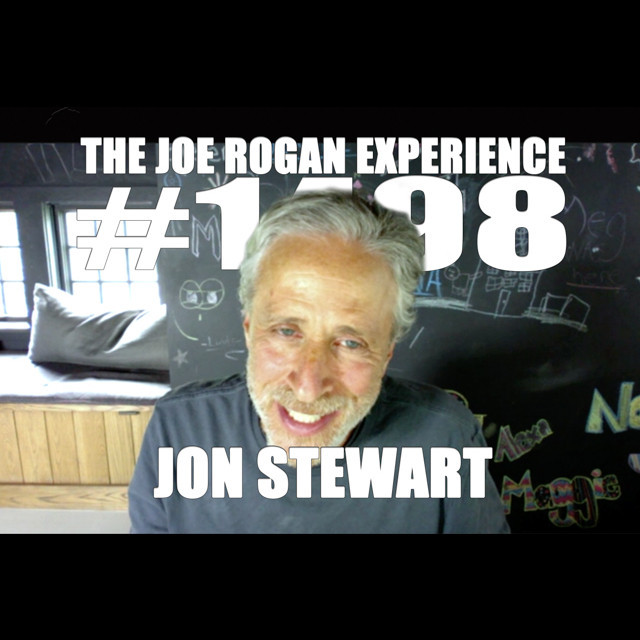
26-Jun-20
This podcast delves deep into Jon Stewart’s journey as a comedian, television host, and political commentator, touching on his experience hosting The Daily Show, the challenges of navigating a politically charged landscape, and the need for systemic change in the United States. Provocative topics include the cyclical nature of political discourse, the role of comedy in addressing serious issues, the need for structural reform, and the complexities of addressing systemic inequities. Underlying themes explore the burden of public awareness, the limitations of satire in a hyper-polarized climate, the importance of individual responsibility, and the need for a more compassionate and empathetic society.
Major Topics in Joe Rogan Podcast #1498 – Jon Stewart
1. Jon Stewart’s Departure from The Daily Show:
- Stewart decided to leave The Daily Show at the peak of its popularity, feeling burnt out from the constant barrage of political news.
- He felt the show’s commentary was becoming repetitive and cyclical, and he wanted to explore new creative avenues.
- Stewart felt the show and the audience both needed a fresh perspective and he felt like he no longer had the energy to be consistently outraged.
- He believed it was important to leave on a high note, rather than staying for the sake of staying.
2. The Challenges of Political Comedy in a Troubled Time:
- Stewart highlights the difficult tightrope walk of using humor to address serious political issues, acknowledging the legitimacy of the current troubled times.
- The constant barrage of political events and their weighty consequences can make it challenging to find inspiration and maintain a sense of humor.
- Stewart shares how events like Charleston and Ferguson made him feel helpless and unable to offer meaningful commentary, emphasizing the burden of being a public figure during times of tragedy.
- He emphasizes the need to find a balance between mocking the ridiculous and acknowledging the true gravity of political issues.
3. The Need for Systemic Change:
- Stewart argues that the current economic system is structurally flawed, contributing to a sense of political theater and a lack of genuine progress.
- He emphasizes the need for a shift from a top-down economic system to one that prioritizes the needs of the working class, highlighting the absurdity of a system where essential workers are poorly compensated.
- Stewart calls for a more equitable distribution of wealth and resources, suggesting that focusing on strengthening the middle class is crucial for societal stability.
- He argues that investing in a stronger foundation for everyone, rather than just those at the top, is essential for long-term progress.
4. The Importance of Individual Responsibility and Health:
- Stewart emphasizes the importance of individual responsibility, particularly in the context of health and well-being, advocating for a focus on strengthening the immune system and promoting healthy lifestyle choices.
- He urges people to take control of their health through measures such as vitamin supplementation, hydration, exercise, and stress management techniques, recognizing that these practices can significantly improve their overall well-being.
- Stewart highlights the limitations of relying solely on external systems for health care and the importance of individual agency in promoting good health.
- He encourages people to seek inspiration and guidance from others who have successfully improved their health, emphasizing the power of personal stories and shared experiences.
5. The Complexities of Animal Agriculture:
- Stewart acknowledges the moral complexities of meat consumption, distinguishing between hunting and factory farming.
- He expresses moral qualms about factory farming, emphasizing the suffering inflicted on animals and the environmental damage caused by large-scale industrial agriculture.
- Stewart believes hunting, when conducted ethically and responsibly, can be a more sustainable and humane approach to obtaining meat, highlighting the connection between hunter and prey.
- He advocates for increased awareness about the practices and impacts of animal agriculture, encouraging people to consider the journey of their food and explore alternative options, such as local farming and lab-grown meat.
6. The Role of Social Media in Shaping Public Discourse:
- Stewart recognizes the democratizing power of social media, acknowledging its ability to amplify diverse voices and facilitate greater participation in public discourse.
- He expresses concern about the negative consequences of constant exposure to online outrage and the potential for social media to exacerbate polarization and division.
- Stewart encourages people to be mindful of their online interactions and to prioritize healthy communication practices, suggesting that avoiding excessive social media engagement can be beneficial for mental well-being.
- He believes that the current adolescent stage of online communication will eventually give way to more mature and constructive forms of dialogue.
7. The Importance of Long-Form Conversation:
- Stewart highlights the value of long-form conversations, such as podcasts, as a more nuanced and thoughtful alternative to traditional late-night talk shows.
- He emphasizes the importance of context and understanding when engaging in dialogue, particularly in the age of sound bites and selective editing.
- Stewart suggests that long-form conversations allow for greater depth and complexity, fostering a more authentic and engaging exchange of ideas.
- He believes that this format offers a more positive and productive approach to addressing complex issues and fostering understanding.
8. The Power of Stand-Up Comedy:
- Stewart reflects on his experience as a stand-up comedian, highlighting the unique challenges and rewards of performing in front of a live audience.
- He emphasizes the importance of authenticity and developing a unique voice, acknowledging the transformative power of stand-up in helping him find his own style and perspective.
- Stewart shares his experiences of being humbled by other comedians, recognizing the value of constructive criticism and the constant need for improvement.
- He believes that stand-up comedy, like any form of artistic expression, requires dedication, discipline, and a willingness to connect with an audience on a personal level.
9. The Importance of Reform in the Health Care System:
- Stewart criticizes the shortcomings of the current health care system for veterans, highlighting the systemic failures that result in inadequate treatment and support for those who have served their country.
- He argues for a fundamental reform of the system, emphasizing the need for greater compassion and a presumption of care for veterans who have risked their lives in service.
- Stewart expresses frustration with the lack of accountability and the prioritization of financial savings over the well-being of veterans, advocating for a more just and equitable system.
- He calls for a cultural shift in how society values and supports those who have served in the military, emphasizing the moral obligation to provide adequate healthcare and resources for veterans.
10. The Need for Systemic Reform:
- Stewart argues that systemic reform is necessary to address a wide range of societal issues, including police brutality, poverty, and environmental degradation.
- He suggests that investing in communities and individuals, rather than solely prioritizing corporate interests, is essential for creating a more equitable and just society.
- Stewart criticizes the political system’s tendency to favor those with wealth and power, advocating for policies that prioritize the needs of marginalized communities.
- He believes that meaningful reform is necessary to prevent societal unrest and ensure a more sustainable and just future for everyone.
11. The Limitations of Trickle-Down Economics:
- Stewart criticizes the effectiveness of trickle-down economics, highlighting the fact that wealth often concentrates at the top, leaving those at the bottom without the resources they need.
- He argues that investing in the working class and strengthening the middle class is a more effective strategy for stimulating the economy, generating widespread prosperity.
- Stewart criticizes the political system’s willingness to bail out corporations that have caused economic hardship, questioning the moral hazard of rewarding those who have contributed to systemic problems.
- He advocates for a more equitable and responsible approach to economic policy, focusing on investing in people and communities, rather than solely on corporate interests.
12. The Need for Empathy and Understanding:
- Stewart emphasizes the importance of empathy and understanding in navigating a diverse and complex society, advocating for a shift away from a competitive mindset towards a more collaborative approach.
- He encourages people to recognize their shared humanity and to view themselves as members of a community, rather than as individuals in competition with one another.
- Stewart criticizes the tendency to blame individuals for their circumstances, recognizing the systemic factors that contribute to poverty, inequality, and lack of opportunity.
- He believes that fostering a sense of empathy and understanding is essential for creating a more just and compassionate society.
13. The Power of Hope and Optimism:
- Stewart expresses hope for the future, believing that the collective desire for change can bring about positive transformation.
- He acknowledges the challenges and complexities of societal change, but remains optimistic about the potential for progress, recognizing the resilience and determination of individuals and communities.
- Stewart encourages people to stay engaged and active in their communities, believing that collective action can create lasting change.
- He sees the current moment as a time of potential for positive growth and development, urging people to embrace hope and optimism, even in the face of adversity.
5 Memorable Quotes from Joe Rogan Podcast #1498 – Jon Stewart:
- “I was more mad about shit than inspired.” – Jon Stewart reflects on his departure from The Daily Show, highlighting his exhaustion with the constant barrage of political news.
- “It’s almost like you’re doing commentary on pro wrestling. Like, this is a rigged game, and you’re around here pretending like this shit makes sense.” – Stewart critiques the cyclical nature of political discourse, comparing it to the theatricality of professional wrestling.
- “We spent 3 trillion dollars in this pandemic… Who knows if a hundred million of it went to Coca-Cola?” – Stewart highlights the lack of accountability and transparency in government spending during times of crisis.
- “If we can’t meaningfully reform capitalism and its more damaging effects, then the people take to the streets.” – Stewart warns about the potential for social unrest if systemic inequalities are not addressed.
- “Better people outnumber shitty people… by a landslide.” – Stewart expresses hope for the future, believing in the inherent goodness of humanity.