7-Jul-20
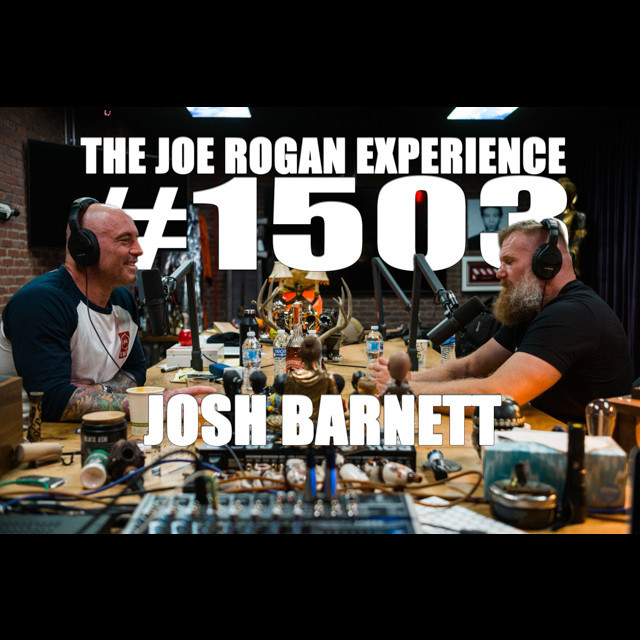
Joe Rogan Podcast #1503 – Josh Barnett: Topics and Summary
This podcast features a captivating conversation with mixed martial artist and professional wrestler Josh Barnett. Rogan and Barnett explore a wide range of topics, from the physical and mental demands of combat sports to philosophical insights on life and death, the dangers of social media, and the complexities of human behavior.
1. The Athletic Window:
- A fighter’s prime is limited, typically lasting around 5-7 years at the highest level.
- The rigorous training and constant risk of injury take a toll on the body.
- The pursuit of success in combat sports requires immense dedication and sacrifices.
- Despite the limited window, the allure of competition and the thrill of fighting often keep athletes coming back for more.
2. Management in Combat Sports:
- MMA management differs significantly from boxing, often focusing on finding fights rather than building long-term careers.
- Managers often prioritize fast-tracking fighters into lucrative opportunities, potentially neglecting their overall development.
- Barnett emphasizes the importance of a manager who genuinely guides the fighter’s career, fostering growth and ensuring financial security.
- He highlights the global talent pool in MMA, advocating for managers to focus on building fighters’ skills and experience in various organizations before pursuing UFC contracts.
3. The Power of Authenticity:
- Barnett critiques the prevalence of insincere self-promotion on social media, contrasting it with the authentic insights of those who have truly faced adversity.
- He cites figures like Miyamoto Musashi, Ernst Jünger, and Jordan Peterson as examples of individuals whose words resonate due to their profound experiences and understanding of life’s challenges.
- He emphasizes the importance of genuine living, seeking fulfillment and meaning in life, rather than merely projecting a persona of success.
- He argues that authentic living requires embracing the inevitability of death, prompting individuals to focus on making the most of their time.
4. The Nature of Violence:
- Barnett discusses the transformative nature of violence, arguing that it can reveal a person’s true character and lead to self-discovery.
- He reflects on the feeling of “aliveness” that comes with engaging in combat, a state he describes as being akin to a “no-mind” state.
- He acknowledges the potential dangers of violence but emphasizes its importance in pushing human limits and fostering a sense of purpose.
- He highlights the difficulty for fighters to transition from the intensity of competition to a regular life, explaining why they often return to fighting despite the risks.
5. The Role of Conditioning:
- Barnett advocates for the importance of conditioning in combat sports, particularly emphasizing the use of clubs and maces for building strength and coordination.
- He describes the rigorous conditioning requirements of the Carl Gotch school of catch wrestling, designed to weed out those who lack dedication and to promote a warrior-like mentality.
- He discusses the specific type of strength and coordination required for swinging clubs, drawing upon his own experience in preparation for fighting Frank Mir.
- He praises the benefits of using clubs and maces for developing functional strength that translates to real-world applications.
6. The Importance of Cultural Context:
- Barnett highlights the importance of understanding cultural differences when it comes to violence and martial arts.
- He discusses the unique aspects of Japanese combat sports culture, highlighting the respect and understanding audience members have for the nuances of fighting.
- He contrasts this with the more aggressive and boisterous American crowd, highlighting the different ways in which fans engage with the spectacle of combat.
- He emphasizes that while cultural context plays a role, the inherent intensity and rawness of top-level fights can be appreciated regardless of the audience’s presence.
7. The Pandemic and Its Aftermath:
- Barnett discusses the evolving nature of the COVID-19 pandemic, acknowledging the declining death rates but also the potential for future spikes.
- He highlights the role of herd immunity and the potential for the virus to become less aggressive over time.
- He emphasizes the importance of individual responsibility in taking precautions to protect oneself and others, advocating for mask wearing and other preventative measures.
- He critiques the politicization of the pandemic and the tendency for some to use mainstream media narratives to reinforce their pre-existing beliefs.
8. The Limitations of Bureaucracy and Institutional Power:
- Barnett critiques the unaccountability of institutions like athletic commissions and law enforcement agencies.
- He draws parallels between the failures of these institutions and the shortcomings of the justice system, highlighting the need for greater accountability and transparency.
- He argues that reliance on these institutions for solutions can stifle individual agency and responsibility, leading to a culture of dependence.
- He emphasizes the importance of seeking individual fulfillment and meaning in life, rather than relying on external structures for validation or fulfillment.
9. The Allure of the “Weird and Odd”:
- Barnett embraces his own “weirdness,” emphasizing the importance of pursuing unconventional paths and challenging conventional wisdom.
- He cites his passion for catch wrestling and his decision to use a manual transmission car as examples of his preference for the “odd” over the mainstream.
- He highlights the value of embracing unique interests and challenging the status quo, arguing that it fuels curiosity and fosters personal growth.
- He encourages others to step outside of their comfort zones and embrace the challenges of learning new things, regardless of whether they become experts in those areas.
10. The Importance of Personal Sovereignty:
- Barnett discusses the challenges of maintaining personal sovereignty within a group, emphasizing the importance of remaining true to oneself even amidst pressures to conform.
- He critiques the tendency for people to blindly follow groupthink, often at the expense of their own individual convictions.
- He highlights the importance of critical thinking and being willing to question even deeply held beliefs, as new experiences and information can challenge preconceived notions.
- He emphasizes the need for open dialogue and a willingness to engage with different perspectives, even those that may challenge one’s own.
11. The Dangers of Envy and Hatred:
- Barnett discusses the corrosive effects of envy and hatred, arguing that these emotions can hinder personal growth and fulfillment.
- He reflects on his own past experiences with envy, acknowledging that he once wanted others to fail so that he could feel more successful.
- He highlights the importance of seeing others’ successes as inspiration rather than threats, using them as motivation to improve oneself.
- He emphasizes that true success comes from pursuing one’s own passions and goals, rather than seeking validation by diminishing others.
12. The Pursuit of Clarity and Improvement:
- Barnett advocates for seeking clarity and improvement over comfort and complacency.
- He highlights the importance of testing oneself and embracing challenges as a means of personal growth.
- He discusses the importance of constant learning and seeking new experiences, even in areas where one is not an expert.
- He emphasizes that embracing discomfort and pursuing improvement leads to greater fulfillment and a more meaningful life.
13. The Power of Storytelling and Validation:
- Barnett recognizes the importance of storytelling in validating others’ experiences, particularly in situations where individuals feel silenced or marginalized.
- He highlights the power of sharing stories and giving voice to those who have been subjected to injustice or abuse.
- He emphasizes the importance of creating platforms for open dialogue and the exchange of ideas, allowing individuals to connect with each other and build understanding.
- He sees his role as a podcast host as an opportunity to provide a platform for diverse voices, fostering a sense of community and shared understanding.
14. The Importance of Family and Tribe:
- Barnett values family and tribe as fundamental sources of support and fulfillment in life.
- He emphasizes the importance of creating a strong and supportive community, one that fosters love, growth, and shared experiences.
- He highlights the importance of passing down knowledge and values to future generations, ensuring that the flame of personal growth and authenticity continues to burn.
- He sees the pursuit of family and community as essential for achieving a truly fulfilling life, one that transcends superficial metrics of success.
15. The Role of Curiosity and Exploration:
- Barnett’s podcast is a testament to his insatiable curiosity and love of exploration.
- He uses his platform to engage with individuals from a wide range of backgrounds and expertise, seeking to broaden his understanding of the world.
- He encourages others to embrace curiosity as a driving force in their lives, seeking to learn new things and challenge preconceived notions.
- He sees curiosity as a vital tool for personal growth, fostering a deeper understanding of oneself and the world around.
16. The Value of Independent Thought:
- Barnett recognizes the need for independent thought and critical analysis in a world saturated with information.
- He emphasizes the importance of questioning authority and not blindly accepting mainstream narratives.
- He encourages individuals to develop their own sense of discernment and to trust their own intuition in navigating a complex world.
- He sees the pursuit of independent thought as essential for maintaining personal freedom and fostering genuine human connection.
17. The Dangers of “Managerial Elites”:
- Barnett criticizes the dominance of “managerial elites” in various institutions, including media outlets.
- He highlights the tendency for these elites to prioritize profit and control over creativity and innovation.
- He argues that the pursuit of profits can stifle independent thought and limit the diversity of perspectives presented to the public.
- He emphasizes the importance of challenging these structures and creating alternative platforms for authentic expression and creative exploration.
18. The Value of Experience and Perspective:
- Barnett’s own unique experiences as a fighter, wrestler, and philosopher provide valuable insights into the complexities of life.
- He recognizes the importance of drawing upon personal experience to inform one’s understanding of the world.
- He encourages others to share their own experiences and perspectives, fostering a culture of empathy and understanding.
- He believes that sharing stories and perspectives helps to bridge divides and build a more interconnected world.
19. The Importance of “Doing Better” and “Doing Differently”:
- Barnett advocates for embracing a spirit of continuous improvement, recognizing that knowledge and understanding are constantly evolving.
- He believes that as we learn more, we have a responsibility to “do better” and to “do differently” in our interactions with the world.
- He encourages individuals to be open to new information and to be willing to change their minds when presented with compelling evidence.
- He sees the pursuit of “doing better” as an ongoing journey, one that requires humility, curiosity, and a commitment to personal growth.
20. The Importance of “Knowing Better”:
- Barnett emphasizes the importance of “knowing better” as a foundation for making more informed choices in life.
- He advocates for actively seeking out knowledge and understanding, particularly in areas where one may hold preconceived notions or biases.
- He believes that “knowing better” enables individuals to make more informed decisions, both for themselves and for the world around them.
- He encourages individuals to embrace the challenge of learning and to be willing to challenge their own assumptions, as this is the path to a more fulfilling and meaningful life.
Memorable Quotes:
- “You don’t know what your athletic window is. Right. Especially when you create something exceptional, like you start if you’re an Olympic athlete or you’re a world class athlete. professional athlete. As you continue to move up the ladder of difficulty, so to speak, the shorter the window is, that you can compete at that level, obviously. but everybody’s athletic window is limited. So the length of time you can be a competitive fighter is, you know, who knows how long are they? I guess I’ve seen some stats say, over 5 years, it starts to decline, over 7 or around 7, it really starts to take a nose 5.”
- “A boxing manager will take a fighter house them in the cat skills or whatever, take them to Big Bear, put them in a home, pay for sparring partners, so on and so forth. And the amount of actual management in terms of logistics and everything else going around someone’s career is being is is vastly different from just Oh, yeah. Well, I called up the UFC and said, yeah. I’ll throw you in in 2 weeks.”
- “There’s so many people that are posting motivational shit, but they haven’t done anything. True. It is I’m trying to be the I’m trying to be the packaging and not the item. You can do this. If you feel that, go do this. This is this is how you go get it. This is What the fuck have you done?”
- “The funniest part, I think, for me, is watching that altercation video with Raz and his his his new police, stating, we’re the police now. And the guy in being approached for graffitiing a building, going, well, you know, what’s up with all the guns and all the well, you guys got all these guns and this lady who’s filming going, don’t don’t worry about us having guns, who cares about guns, cop carry guns. Gone are no big deal. And I’m just like, woah. You guys are doing exactly when you’re complaining, guys.”
- “The only thing problem I have with that is that, like, they let people fight out on the street, which you should be aware that if you get killed, you’re gonna might you might die. I know. I think there has been a bounce off the concrete. That has to be included in in such a lot. You have to be like, look. You’re taking your life into your own hands. Like, legitimately. you do it out in the dirt, you know, you — I know. But we can’t nerf the world that much. We just can’t. It’s just not possible.”