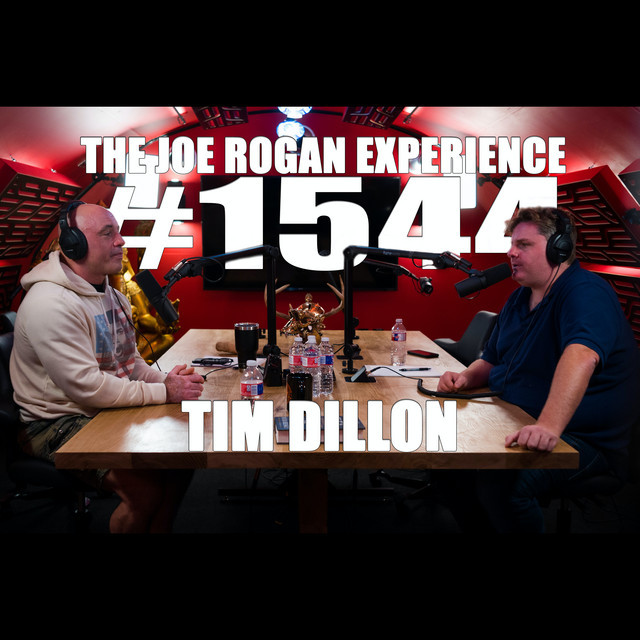
1-Oct-20
Joe Rogan Podcast #1544 – Tim Dillon – Topic Analysis
This podcast features comedian Tim Dillon, known for his dark humor and politically charged commentary, in a conversation with Joe Rogan. The episode touches on various themes, including the ongoing COVID-19 pandemic, the influence of social media and technology, government overreach, political polarization, and the nature of fame and public discourse. Throughout the conversation, Dillon offers provocative and sometimes controversial opinions, pushing the boundaries of conventional thinking.
1. COVID-19 and the Politics of Public Health:
- Dillon discusses his perspective on the COVID-19 pandemic, arguing for personal freedom and individual responsibility, while acknowledging the dangers for vulnerable populations.
- He criticizes the government’s response, highlighting the economic damage and societal disruptions caused by lockdowns, and emphasizing the need for a balanced approach.
- He discusses the politicization of the pandemic, pointing to the disparity in messaging and policy between different political factions, and emphasizing the need for open discourse and critical thinking.
- Dillon raises concerns about the long-term effects of government overreach, using the example of contact tracing and its potential for abuse.
2. The Social Dilemma and the Negative Effects of Social Media:
- Dillon expresses concerns about the negative impacts of social media, referencing the documentary “The Social Dilemma” and its exploration of the algorithms and psychological manipulation employed by platforms.
- He emphasizes the addictive nature of social media, the spread of negativity and polarization, and the difficulty in maintaining healthy boundaries and fostering meaningful interaction.
- He argues that logging off or limiting social media usage may be the only solution to mitigate these detrimental effects.
- He highlights the irony of social media being dominated by younger generations, while older generations grapple with its complexities and consequences.
3. Government Surveillance, Power, and the Erosion of Privacy:
- Dillon delves into the issue of government surveillance, drawing parallels to the post-9/11 era and the expansion of government powers in the name of security.
- He expresses concern about the potential for abuse of technology and data collection, highlighting the dangers of tracking individuals’ movements, communications, and even medical information.
- He discusses the complacency of individuals in the face of pervasive surveillance, attributing it to busy schedules, overwhelming information, and a sense of helplessness.
- He advocates for personal responsibility and vigilance in safeguarding privacy, emphasizing the importance of understanding and limiting the information shared online.
4. Political Polarization and the Cult of Correctness:
- Dillon dissects the current political climate, characterized by extreme polarization and the silencing of dissenting voices.
- He criticizes the “gotcha culture” of social media, where snippets of conversations are taken out of context to discredit individuals and stifle open dialogue.
- He laments the death of curiosity, where individuals prioritize confirming their existing beliefs rather than exploring diverse perspectives.
- He criticizes the use of social media to seek validation and approval, rather than to engage in meaningful discourse.
5. The Role of Comedy and Pushing Boundaries:
- Dillon reflects on the nature of comedy, arguing that it often involves saying things that are considered “unacceptable” or “offensive,” but that ultimately serve to challenge norms and expose hypocrisy.
- He discusses the importance of not taking oneself or one’s opinions too seriously, recognizing the value of thinking out loud and exploring different perspectives.
- He criticizes the tendency to hold comedians accountable for every word they say, highlighting the need for context and understanding in interpreting humor.
- He advocates for the freedom to express oneself, even if it means challenging societal norms or making uncomfortable statements.
6. Transgender Issues and the Limits of Discourse:
- Dillon engages in a discussion about transgender issues, particularly the phenomenon of “rapid onset gender dysphoria” and its potential psychological implications.
- He advocates for open and nuanced dialogue about the subject, acknowledging the complexity and variability of human experience and the need for understanding different perspectives.
- He expresses concern about the growing trend of silencing dissenting voices on transgender issues, arguing that it stifles critical thinking and prevents informed discussion.
- He stresses the importance of respecting individual choices while also questioning the broader social and cultural forces influencing gender identity in young people.
7. The Influence of Big Tech Companies and the Data Economy:
- Dillon discusses the immense power wielded by major tech companies, such as Facebook, Google, Amazon, and Apple, highlighting their control over information, data, and user behavior.
- He explores the concerns surrounding data privacy and the ethical implications of tech companies profiting from user information without explicit consent.
- He praises Apple’s efforts to enhance privacy protections, highlighting the importance of giving users more control over their data and limiting the amount of information shared with third parties.
- He expresses concern about the potential for these companies to be used by malevolent actors or governments for surveillance and manipulation.
8. Political Corruption and Human Trafficking:
- Dillon discusses the issue of human trafficking, highlighting the prevalence of the problem and the disturbing connections to powerful individuals and institutions.
- He delves into the Epstein case and the broader web of corruption it exposed, acknowledging the reality of child trafficking and the potential for abuse of power by those in high positions.
- He discusses the challenge of separating fact from fiction in the age of misinformation, while emphasizing the importance of remaining aware of the insidious nature of these crimes.
- He emphasizes the need for transparency and accountability within government and institutions to combat these abuses.
9. The 2020 Election and Political Uncertainty:
- Dillon delves into the 2020 presidential election, expressing concern about potential voter fraud and the politicization of voting procedures.
- He discusses the role of social media in shaping public opinion and influencing the outcome of elections.
- He speculates on the potential for political unrest and social upheaval following the election, highlighting the deep divisions and tensions within American society.
- He expresses a sense of disillusionment with the current political landscape, lamenting the lack of trust in institutions and the difficulty of finding individuals to support.
10. The Media Landscape and the Erosion of Trust:
- Dillon analyzes the current media landscape, highlighting the blurring lines between news and entertainment, and the growing skepticism towards traditional media outlets.
- He discusses the role of cable news networks in fueling political polarization and sensationalizing stories.
- He criticizes the lack of accountability and journalistic integrity within the media, highlighting examples of bias, misinformation, and manipulation.
- He emphasizes the importance of critical thinking and media literacy, encouraging individuals to be discerning consumers of information.
11. The Role of Celebrities and the Pursuit of Attention:
- Dillon explores the motivations behind celebrities’ involvement in social and political issues, suggesting that the pursuit of attention and validation often outweigh genuine concern.
- He criticizes the hypocrisy of celebrities who espouse progressive ideals while engaging in unethical or questionable behavior.
- He discusses the impact of social media on celebrities’ ability to control their public image and engage with fans.
- He questions the authority of celebrities to dictate public discourse and shape societal norms.
12. The Future of Technology and its Implications:
- Dillon explores the potential implications of emerging technologies, such as neural implants and artificial intelligence.
- He expresses concern about the potential for these technologies to further erode privacy and create a dystopian future where individuals are constantly monitored and controlled.
- He advocates for caution and critical thinking when considering the adoption of new technologies, emphasizing the importance of understanding their potential consequences.
- He suggests that it may be necessary to limit the use of these technologies to preserve individual autonomy and freedom.
13. The Nature of Fame and its Impact on Individuals:
- Dillon reflects on the challenges of navigating fame, particularly for those who achieve it at a young age.
- He discusses the pressure of maintaining a public persona, the difficulty of managing relationships, and the potential for mental health issues.
- He emphasizes the importance of maintaining a sense of self and authenticity in the face of intense scrutiny and media attention.
- He acknowledges the potential for fame to both empower and ensnare individuals, highlighting the need for self-awareness and healthy boundaries.
14. The Importance of Individuality and Challenging the Status Quo:
- Dillon encourages individuals to embrace individuality and challenge conventional thinking.
- He advocates for questioning authority, embracing diverse perspectives, and not succumbing to the pressure to conform.
- He believes that society should strive for a balance between freedom and responsibility, allowing individuals to make their own choices while also recognizing the need for social order.
- He emphasizes the importance of critical thinking, humor, and a healthy dose of skepticism in navigating the complexities of the modern world.
15. The State of Los Angeles and the Challenges of Urban Life:
- Dillon discusses the current state of Los Angeles, highlighting the challenges of homelessness, crime, and political dysfunction.
- He criticizes the city’s leadership and policy decisions, arguing that they have failed to address these issues effectively.
- He expresses concern about the growing economic and social inequalities within Los Angeles, pointing to the disparity between wealthy neighborhoods and those struggling with poverty and homelessness.
- He questions the ability of the city to rebound from these challenges, emphasizing the need for effective leadership and a commitment to addressing the root causes of these problems.
16. The Role of Humor in Navigating Social and Political Tensions:
- Dillon discusses the role of humor in coping with the anxieties and frustrations of the modern world.
- He argues that humor can provide a cathartic release, offering a way to challenge societal norms and expose hypocrisy.
- He believes that humor can serve as a bridge between different perspectives, fostering empathy and understanding.
- He emphasizes the importance of using humor responsibly and ethically, while also recognizing its power to provoke thought and challenge the status quo.
17. The Impact of the Pandemic on Society:
- Dillon discusses the far-reaching impacts of the COVID-19 pandemic on society, highlighting the economic downturn, the rise in mental health issues, and the strain on social relationships.
- He reflects on the changes in social norms and behaviors, such as the increased reliance on technology and the heightened awareness of personal health.
- He speculates on the potential for long-term social and cultural changes following the pandemic, emphasizing the need for resilience and adaptability.
- He highlights the importance of community, compassion, and collective action in navigating these challenging times.
Memorable Quotes:
- “The government was never supposed to have the ability to tell you what you can and can’t do in terms of like what’s risky.” – Dillon criticizes government overreach and advocates for individual freedom and responsibility.
- “People are so easily influenced, and for us to deny that doesn’t do anybody any good.” – Dillon emphasizes the importance of understanding human malleability and acknowledging the impact of social pressure.
- “Comedy is often saying things that you’re not supposed to say. That’s why you say it, because everyone knows you’re not supposed to say it.” – Dillon defines the essence of comedy as pushing boundaries and challenging societal norms.
- “I don’t want anyone to go, here’s what you have to do. Explain to me why. Tell me why it’s beneficial.” – Dillon advocates for transparency, accountability, and informed decision-making, rejecting blind obedience to authority.
- “You need law and order. You fucking need it. You need a civil society.” – Dillon emphasizes the importance of social order and the dangers of excusing or glorifying violence in the pursuit of political aims.