16-Oct-20
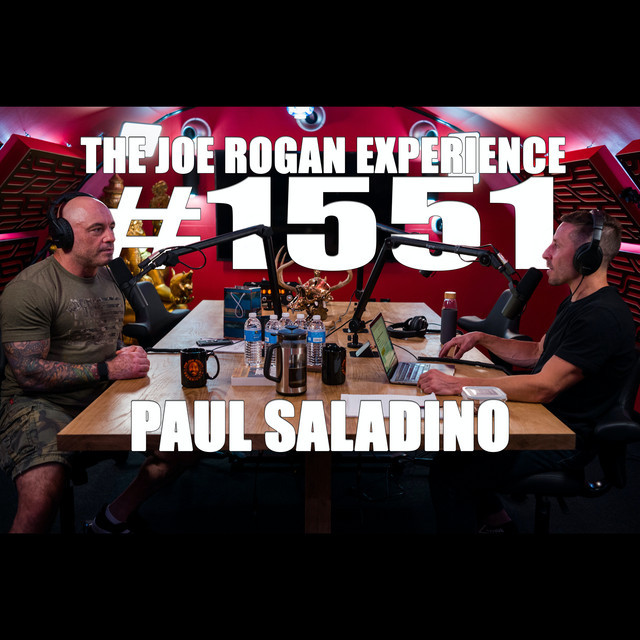
Joe Rogan Experience #1551 – Paul Saladino: Topics and Summary
This podcast explores the controversial topic of the carnivore diet, a meat-centric eating plan that Dr. Paul Saladino, a board-certified nutrition specialist, advocates for. The episode delves into the science behind the carnivore diet, challenges the conventional wisdom surrounding plant-based diets, and examines the role of environmental and molecular hermesis in health and well-being. Provocative themes include the potential toxicity of plant compounds, the importance of animal-based nutrients, and the role of the microbiome in human health.
Major Topics and 4-Point Summary:
- The Carnivore Diet: A Meat-Centric Approach
- Dr. Saladino presents the carnivore diet as an ancestral and biologically appropriate diet for humans, highlighting its potential benefits for various health conditions.
- He argues that most plants are not edible and that animal foods, including organs, are the primary sources of essential nutrients for human survival.
- The podcast discusses the potential benefits of the carnivore diet, including weight loss, improved energy levels, reduced inflammation, and better cognitive function.
- Dr. Saladino emphasizes that the carnivore diet is not a one-size-fits-all approach, advocating for a more nuanced and flexible approach that considers individual needs and preferences.
- The Role of Plants in Human Health: A Re-Evaluation
- Dr. Saladino challenges the conventional wisdom that plants are inherently beneficial for human health, suggesting that many plant compounds are actually toxins.
- He introduces the concept of “molecular hermesis,” arguing that while some plant compounds may trigger beneficial responses in the body, these responses often come with negative side effects.
- The episode contrasts “environmental hermesis,” which involves activating beneficial stress responses through natural means like exercise, sunlight, and cold exposure, with the potentially problematic effects of molecular hermesis.
- Dr. Saladino contends that consuming excess plant compounds can lead to chronic inflammation, oxidative stress, hormonal imbalances, and other health problems.
- The Importance of Animal-Based Nutrients
- The podcast highlights the unique nutritional profile of animal foods, including organs, emphasizing their rich content of essential vitamins, minerals, and amino acids.
- Dr. Saladino addresses the misconception that vitamin C is solely found in plants, pointing out its presence in animal foods like liver, heart, and muscle.
- He emphasizes the role of organ meats in providing critical nutrients like vitamin K2, choline, carnitine, and taurine, which are often lacking in plant-based diets.
- The episode discusses the historical and cultural significance of consuming organ meats, highlighting their value in various indigenous cultures around the world.
- The Carnivore Diet and Electrolyte Balance
- The podcast discusses the potential for electrolyte imbalances in individuals following a long-term carnivore diet, particularly regarding sodium, magnesium, and potassium.
- Dr. Saladino emphasizes the importance of supplementing electrolytes, especially when experiencing symptoms like cramps, palpitations, or fatigue.
- He advocates for a more balanced approach to the carnivore diet, incorporating small amounts of less toxic carbohydrates like honey and fruit, to enhance electrolyte balance and promote overall well-being.
- The episode highlights the potential benefits of honey in particular, discussing its unique properties and its potential role in promoting healing and reducing oxidative stress.
- The Microbiome and Fiber
- The podcast challenges the conventional wisdom surrounding fiber, suggesting that it may not be essential for human health and can even contribute to digestive issues.
- Dr. Saladino presents evidence from interventional studies that demonstrate the potential of a low-fiber diet to alleviate constipation and improve gut health.
- He argues that the overgrowth of certain gut bacteria, rather than a lack of fiber, is often the root cause of constipation.
- The episode highlights the importance of a healthy gut microbiome for overall health and well-being, suggesting that the carnivore diet can promote a favorable microbial balance.
- The Impact of Processed Vegetable Oils
- Dr. Saladino delves into the potentially harmful effects of processed vegetable oils, particularly those rich in linoleic acid, on human health.
- He argues that the consumption of these oils, which are often found in processed foods, contributes to chronic inflammation, oxidative stress, and metabolic dysfunction.
- The podcast explores the historical context of the rise of vegetable oils in the American diet, pointing to the sugar industry’s role in promoting the “lipid hypothesis,” which demonized saturated fat and promoted unsaturated fats.
- Dr. Saladino advocates for replacing processed vegetable oils with healthier fats, like those found in animal foods, to improve metabolic health and reduce the risk of chronic diseases.
- The Cholesterol Debate: A Re-Examination of LDL and HDL
- The podcast challenges the conventional wisdom surrounding LDL (“bad cholesterol”) and HDL (“good cholesterol”), suggesting that a focus on LDL levels alone is an incomplete and potentially misleading metric.
- Dr. Saladino presents evidence that suggests that high LDL levels in metabolically healthy individuals may not be detrimental to health and may even be beneficial.
- He introduces the concept of the “lipid energy model,” which posits that LDL plays a crucial role in transporting fats throughout the body and that elevated levels may be a sign of increased fat utilization.
- Dr. Saladino emphasizes the importance of considering overall metabolic health, including insulin sensitivity, when interpreting cholesterol levels, rather than solely focusing on LDL.
- The Role of Inflammation in Atherosclerosis
- The podcast discusses the role of inflammation in the development of atherosclerosis, suggesting that it is not necessarily caused by high LDL levels but rather by underlying metabolic dysfunction.
- Dr. Saladino suggests that LDL particles may become retained in the arterial walls in the presence of metabolic dysfunction, leading to the accumulation of inflammatory cells and the formation of plaque.
- He emphasizes the importance of addressing metabolic dysfunction, including insulin resistance, to mitigate the risk of atherosclerosis and cardiovascular disease.
- The episode explores the potential role of oxidized LDL in the development of atherosclerosis and the role of linoleic acid in promoting LDL oxidation.
- The Benefits of Grass-Fed and Grass-Finished Meat
- Dr. Saladino highlights the benefits of consuming grass-fed and grass-finished meat, emphasizing its potential for reduced exposure to environmental toxins and pesticides.
- He discusses the potential for cows raised on a diet of grains and waste products to accumulate harmful substances, including glyphosate, atrazine, and other pollutants, in their flesh and fat.
- The podcast emphasizes the ethical and ecological benefits of grass-fed and grass-finished meat production, promoting a more sustainable and regenerative agricultural model.
- Dr. Saladino acknowledges that the nutritional differences between grass-fed and grain-fed meat are often subtle but suggests that grass-fed meat may offer a more favorable fatty acid profile.
- The Role of Meat in Brain Health and Cognitive Function
- The podcast explores the link between meat consumption and brain health, highlighting the importance of animal-based nutrients for cognitive function and neurotransmitter production.
- Dr. Saladino discusses the role of creatine in brain health and its potential to enhance cognitive performance, particularly in individuals following plant-based diets.
- He argues that the consumption of animal foods, including meat and organs, can provide essential nutrients for brain development and function, contributing to increased brain size and improved cognitive abilities.
- The episode touches on the potential role of psilocybin, a compound found in certain mushrooms, in promoting brain health and enhancing cognitive function.
- The Importance of Ancestral Living and the “Remembering”
- Dr. Saladino emphasizes the importance of reconnecting with our ancestral way of life, including our ancestral diet, as a means of improving health and well-being.
- He encourages listeners to consider the profound impact of modern technology and the digital world on our health and sense of connection to the natural world.
- The podcast highlights the potential benefits of spending time in nature, engaging in activities like hunting and hiking, and fostering a deeper connection with the natural world.
- Dr. Saladino proposes a shift in perspective, moving beyond a focus solely on diet to embrace a broader concept of “the remembering,” which involves reconnecting with our ancestral way of living.
- Hunting as a Spiritual and Physical Pursuit
- The podcast delves into the personal experience of hunting, emphasizing its potential for fostering a deeper connection with nature and with the food we consume.
- Dr. Saladino discusses the spiritual and physical challenges of hunting, highlighting the discipline, resilience, and mindfulness required to be successful.
- He emphasizes the ethical and respectful approach to hunting, advocating for a sustainable and responsible approach to harvesting wild game.
- The episode highlights the unique connection that hunters have with their food, often experiencing a profound sense of gratitude and responsibility for the animal they have taken.
- The Importance of Disruptive Ideas and Challenging the Status Quo
- Dr. Saladino emphasizes the importance of embracing disruptive ideas and challenging the status quo, particularly in the field of health and nutrition.
- He critiques the limitations of conventional medical advice, highlighting the lack of adequate nutrition education and the tendency to focus on simplistic and potentially misleading metrics.
- The podcast encourages listeners to think critically, to question conventional wisdom, and to seek out alternative perspectives on health and well-being.
- Dr. Saladino asserts that progress in health and wellness requires a willingness to challenge existing paradigms and to embrace new ideas, even if they are controversial.
5 Memorable Quotes
- “Most plants are not edible, but almost all animals are edible.” – A provocative statement that challenges the traditional view of plants as inherently beneficial foods.
- “We’ve just been thinking more plants, more plants, more plants when it’s like, wait a minute. Why are we getting plants in the first place?” – Dr. Saladino challenges the uncritical acceptance of plant-based diets.
- “I think that there are some people whose ancestors developed in certain parts of the world where meat was scarce.” – A thought-provoking hypothesis about the potential for genetic adaptation to different environments.
- “If you are burning mostly fat as energy…you are going to be moving more LDL in your blood to move that fat around.” – A key element of the “lipid energy model,” suggesting that high LDL levels may not be detrimental in metabolically healthy individuals.
- “I think that as humans, it’s okay to be a part of the cycle of life and death, and we will all die.” – Dr. Saladino emphasizes the importance of embracing our place in the natural world.