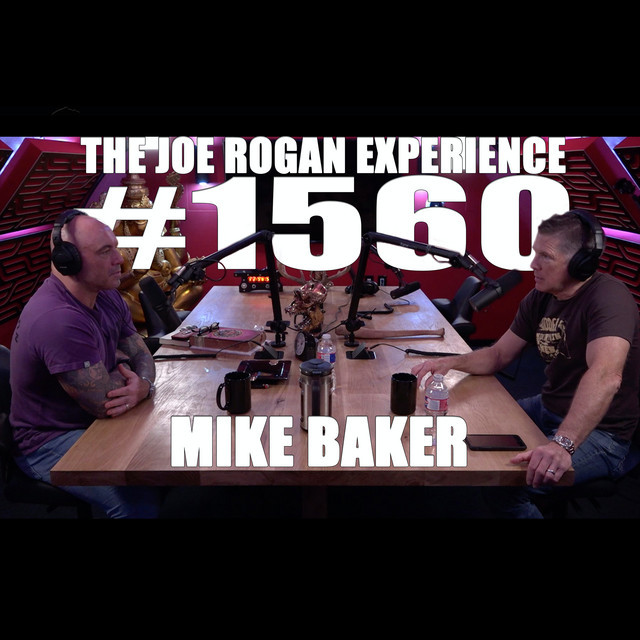
7-Nov-20
This podcast features a candid conversation between Joe Rogan and Mike Baker, a former CIA covert operations officer with expertise in global intelligence and security. The discussion navigates a vast landscape of topics, from the contentious 2020 US presidential election and its aftermath to the nature of conspiracy theories, the mysteries surrounding UFOs, and the role of the intelligence community in shaping the world.
The episode touches on provocative and controversial themes, exploring the intersection of politics, national security, and public perception. It delves into the complexities of truth, deception, and the often blurry line between reality and narrative, especially within the realm of government operations. Underlying the conversation are deeper themes of human nature, skepticism, and the pursuit of understanding in a world saturated with information and misinformation.
Major Topics:
1. The 2020 US Presidential Election:
- The delayed and contested election results, drawing parallels to the 2000 Al Gore-George W. Bush election.
- The role of mail-in ballots and concerns about voter fraud, highlighting the lack of a universal voting system across states.
- The importance of transparent elections and campaign observers in maintaining voter confidence, emphasizing the need for a credible system.
- The potential implications of a Democratic sweep in both the White House and Congress, exploring the dynamics of divided government and the potential for partisan gridlock.
2. The Politicization of Intelligence Agencies:
- The potential for political interference in intelligence agencies, particularly during transitions of power, examining the implications for national security.
- The importance of apolitical leadership within intelligence agencies, ensuring objective analysis and assessment, even in politically charged environments.
- The challenges of maintaining secrecy and protecting sources and methods within the intelligence community, balancing national security needs with transparency.
- The debate surrounding the politicization of the FBI and the role of figures like James Comey, exploring the consequences of blurring the lines between intelligence and politics.
3. The Prevalence of Conspiracy Theories:
- The role of social media in spreading conspiracy theories and fueling polarization, highlighting the challenges of discerning truth from misinformation.
- The allure of conspiracy theories as narratives, offering simplified explanations for complex events and appealing to a desire for understanding.
- The dangers of uncritical acceptance of conspiracy theories, emphasizing the importance of skepticism and independent research.
- The impact of conspiracy theories on public trust in institutions, particularly in the context of elections and government operations.
4. The Mystery of UFOs and Alien Life:
- The Pentagon’s confirmation of the Advanced Aerospace Threat Identification Program (AATIP), highlighting the government’s interest in investigating unidentified aerial phenomena.
- The credibility of eyewitness accounts and technical evidence, particularly the case of David Fravor and the Tic Tac incident, raising questions about the nature of these phenomena.
- The potential implications for national security if these phenomena are not extraterrestrial in origin, suggesting the possibility of advanced technology beyond our current understanding.
- The debate surrounding the need for secrecy in the context of UFOs and alien technology, examining the competing interests of national security and public transparency.
5. The Power and Danger of Belief Systems:
- The persuasive power of belief systems, both positive and negative, highlighting the complexities of indoctrination and deprogramming.
- The role of belief systems in shaping individual and societal behavior, exploring the impact on political discourse and social movements.
- The potential for belief systems to become rigid and intolerant, contributing to polarization and conflict within society.
- The importance of critical thinking and skepticism in navigating complex belief systems, emphasizing the need for open-mindedness and a willingness to challenge established narratives.
6. The Role of Money in Politics and Society:
- The influence of wealthy individuals and organizations on political campaigns, examining the potential for undue influence and corruption.
- The role of philanthropy and charitable giving in shaping social movements and political agendas, exploring the complexities of motives and impact.
- The importance of transparency and accountability in the use of funds, particularly within political organizations and charities, highlighting the need for scrutiny and oversight.
- The debate surrounding the role of billionaires like George Soros and the Koch Brothers in shaping political discourse, examining the influence of wealth on policy and societal change.
7. The Nature of Human Behavior and Social Dynamics:
- The influence of social media on human behavior, exploring the impact on communication, polarization, and the formation of social groups.
- The complexities of group behavior, highlighting the potential for both positive and negative outcomes, from social movements to mob mentality.
- The importance of empathy and understanding in navigating diverse perspectives, emphasizing the need for open dialogue and a willingness to engage with differing viewpoints.
- The challenges of maintaining civility and respectful discourse in a polarized environment, exploring strategies for fostering constructive dialogue and bridge-building across ideological divides.
8. The Role of the Intelligence Community in Global Affairs:
- The importance of intelligence gathering and analysis in shaping foreign policy decisions, examining the complexities of geopolitical relationships.
- The use of covert operations and surveillance in achieving national security objectives, highlighting the ethical and legal considerations involved.
- The challenges of maintaining secrecy and protecting sources and methods in a globalized world, exploring the implications for international relations and information warfare.
- The role of the CIA in shaping historical events, examining the impact on global events and the ethical dilemmas associated with covert operations.
9. The Impact of the COVID-19 Pandemic:
- The politicalization of the pandemic, exploring the use of public health measures for partisan purposes and the impact on trust in government and institutions.
- The economic and social consequences of lockdowns and restrictions, highlighting the challenges of balancing public health with individual liberties.
- The debate surrounding the origins of the virus, examining the evidence for both natural and lab-related origins, and the implications for future pandemic preparedness.
- The evolving nature of scientific understanding and the importance of evidence-based decision-making in public health crises, emphasizing the need for scientific literacy and critical thinking.
10. The Importance of Entrepreneurship and Innovation:
- The resilience and adaptability of entrepreneurs during difficult times, highlighting the importance of innovation and problem-solving.
- The role of technology in transforming industries and creating new opportunities, examining the impact on business models and the future of work.
- The challenges of navigating regulations and bureaucracy in starting and growing businesses, exploring the importance of a supportive business environment.
- The importance of fostering entrepreneurial spirit and innovation as drivers of economic growth and societal progress.
Memorable Quotes:
- “You gotta be consistent with your fuckery.” – Rogan highlights the hypocrisy of both sides in the political sphere, criticizing the selective outrage directed at one party over another.
- “I always feel like there’s some fuckery afoot for sure.” – Rogan expresses his skepticism about the electoral process, acknowledging the potential for irregularities and manipulation.
- “You gotta step back and you gotta say, okay, where are the problems?” – Baker emphasizes the need for evidence-based analysis and a critical approach to accusations of fraud, drawing parallels to intel operations.
- “It’s the same with the election. The voters gotta be able to look at it and go, it’s transparent. I see why it’s transparent. I see you move on.” – Baker emphasizes the importance of voter confidence in a transparent electoral process, drawing an analogy to covert operations and the need for “cover for action.”
- “The real problem with having an asshole for a president is it encourages other assholes to be assholes.” – Rogan highlights the impact of leadership on societal norms and behavior, suggesting that a president’s actions can shape the overall culture of a nation.