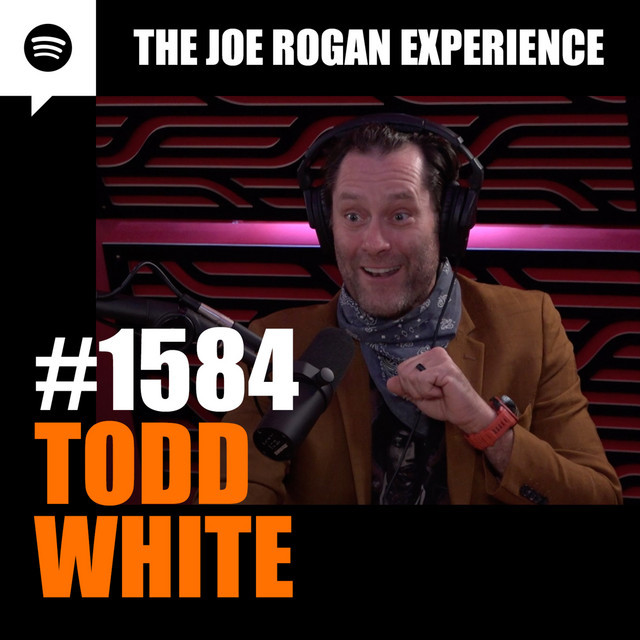
26-Dec-20
This podcast delves deep into the fascinating life of Todd White, a fourth-degree black belt in Brazilian Jiu-Jitsu and a successful artist. Joe Rogan and White discuss White’s passion for Jiu-Jitsu, his journey from animation to art, and his insights on life, work, and the importance of mental discipline. Topics range from the nitty-gritty of art production and gallery dealings to the unique camaraderie found in both the Jiu-Jitsu and hunting communities. Underlying themes include the power of obsession, the importance of mental fortitude, and the lessons learned from confronting challenges.
Major Topics:
Here’s a breakdown of the podcast’s major topics:
1. Todd White’s Jiu-Jitsu Journey:
- White’s initial inspiration came from watching the first UFC event, captivated by Royce Gracie’s dominance.
- White’s journey led him from a white belt to a fourth-degree black belt, showcasing his dedication and progress.
- The podcast highlights the significance of finding a good instructor, with White crediting John Jacques Machado’s guidance and patience.
- White emphasizes the unique camaraderie and mental discipline fostered by Jiu-Jitsu, a theme he connects to his other passions.
2. Todd White’s Artistic Path:
- White’s artistic journey began with animation, working on shows like Tiny Toon Adventures and SpongeBob Squarepants.
- He later transitioned to fine art, developing a distinctive style that he describes as “relatable” and “personality-driven”.
- White shares insights into the art world, including his experiences with galleries, scams, and the challenges of balancing passion and business.
- He emphasizes the importance of artistic expression and the need to create work that connects with viewers.
3. The Power of Obsession and Addiction:
- White shares his personal experiences with obsession, acknowledging the delicate line between healthy drive and destructive addiction.
- He emphasizes that obsession, when channeled constructively, can fuel success and drive excellence.
- White highlights the importance of self-awareness and finding healthy outlets for this intensity, like his commitment to Jiu-Jitsu, physical fitness, and other passions.
- He shares stories about individuals who have allowed their obsessions to lead them down dangerous paths.
4. Mental Discipline and Overcoming Challenges:
- White emphasizes the importance of mental discipline, showcasing his own ability to maintain focus and overcome obstacles.
- He highlights the benefits of challenging oneself physically and mentally through Jiu-Jitsu, fitness, and hunting.
- White shares anecdotes of individuals who have embraced this mindset and achieved remarkable things.
- He underscores the value of surrounding oneself with positive influences and seeking guidance from mentors.
5. The Art of Storytelling in Art:
- White believes that art should be a conversation piece, prompting viewers to connect with his work on a personal level.
- He strives to depict scenes that resonate with the viewer’s experiences, eliciting emotions and memories.
- This approach is evident in his paintings, which often feature familiar social situations, capturing the essence of human interaction.
- White’s commitment to storytelling is a testament to his belief in the power of art to transcend language and connect us to shared experiences.
6. The Importance of Camaraderie and Support:
- White highlights the importance of camaraderie, emphasizing the tight-knit communities he’s found in Jiu-Jitsu and hunting.
- He credits the support of his wife and friends as crucial factors in his success and personal growth.
- White acknowledges the value of healthy relationships and the detrimental impact of toxic ones.
- He emphasizes the need for accountability and shared experiences, believing that strong connections contribute to both professional and personal fulfillment.
7. The Art World and Its Challenges:
- White reveals the less glamorous side of the art world, including his experiences with scams, copycats, and gallery politics.
- He emphasizes the importance of remaining vigilant, protecting his work, and upholding artistic integrity.
- White shares a cautionary tale about a gallery owner who attempted to rip him off, highlighting the need to be discerning and cautious when collaborating with others.
- He underscores the importance of surrounding oneself with trustworthy individuals and establishing a strong support system.
8. The Allure and Danger of Obsession:
- White discusses the allure of obsession, acknowledging the intoxicating power it can hold.
- He emphasizes the importance of channeling this intensity into positive endeavors, like his dedication to Jiu-Jitsu, art, and fitness.
- White warns of the potential dangers of unchecked obsession, sharing stories of individuals who have fallen prey to addiction and self-destructive behaviors.
- He emphasizes the need for balance and self-awareness, believing that healthy outlets are essential for managing this powerful force.
9. The Texas Landscape and Its Unique Culture:
- White discusses the Texas landscape, describing its wide-open spaces, abundant wildlife, and unique culture.
- He shares his passion for hunting, describing the challenges and rewards of acquiring meat through this traditional practice.
- White explores the presence of exotic animals in Texas, attributing this to the state’s vastness, game preserves, and reintroduction efforts.
- He expresses a deep appreciation for the Texas way of life, highlighting its connection to nature, self-reliance, and a strong sense of community.
10. The Joe Rogan Effect on Austin, Texas:
- White discusses the impact of Joe Rogan’s move to Austin, Texas, acknowledging the influx of new residents and the subsequent changes in the city’s landscape.
- He expresses concern about the potential downsides of rapid growth, including the rising cost of living and the displacement of local residents.
- White highlights the influx of comedians and other creative individuals, suggesting that Austin could become a hub for entertainment and artistic expression.
- He reflects on the dynamic changes that are occurring in Austin, highlighting the complexities of managing growth and maintaining the city’s unique character.
11. The Dark Side of Jiu-Jitsu:
- White acknowledges the dark side of Jiu-Jitsu, mentioning the possibility of encountering individuals with harmful intentions.
- He shares the story of Rafael Tori, a supposed black belt who turned out to be a murderer, highlighting the dangers of deception and the importance of vetting individuals.
- White expresses concern about the potential for Jiu-Jitsu to be used for harmful purposes, underlining the need for responsible training and ethical behavior.
- He emphasizes the importance of choosing a reputable school with experienced instructors who prioritize safety and ethical conduct.
12. The Power of Mentorship:
- White discusses the significance of mentorship in his life, crediting both John Jacques Machado and other individuals for their guidance.
- He highlights the transformative power of seeking guidance from experienced individuals, acknowledging the value of their insights and support.
- White emphasizes the importance of learning from mentors who embody the values and skills he seeks to develop.
- He underscores the importance of respecting those who have paved the way and sharing their knowledge with others.
13. The Impact of COVID-19:
- White discusses the impact of COVID-19 on his business, noting the closure of galleries and the shift to online platforms.
- He shares his perspective on the pandemic, highlighting the importance of individual responsibility, health, and economic resilience.
- White expresses concerns about the potential for political manipulation and the unintended consequences of lockdowns.
- He encourages viewers to explore diverse perspectives and rely on credible information sources when navigating the complexities of the pandemic.
14. The Importance of Giving Back:
- White describes his involvement in the Todd White Art Project, a 501(c)(3) non-profit organization that provides art supplies to underfunded public schools.
- He shares his motivation for starting the project, inspired by his mother’s experiences as an art teacher and a desire to support young artists.
- White highlights the importance of arts education and its role in fostering creativity, critical thinking, and personal expression.
- He encourages listeners to consider supporting arts programs in their communities, believing that investing in creativity is investing in the future.
15. The Value of Hard Work and Dedication:
- White emphasizes the importance of hard work and dedication, highlighting his own commitment to both his art and his Jiu-Jitsu.
- He underscores the need to pursue one’s passions with unwavering determination, believing that talent alone is not enough.
- White shares his experiences with teachers who discouraged his artistic pursuits, demonstrating the resilience required to overcome setbacks and persevere.
- He encourages listeners to embrace their dreams and work diligently towards their goals, believing that success is a product of consistent effort and dedication.
Memorable Quotes:
- “I got to do that. It was speaking to me in a way I’ve never, you know, like art speaks to me… the next day I find Torrance Gracie Academy.” – White reflects on the profound impact of the first UFC event.
- “I was so out of my head trying to find it. And so I’m there a week and he’s like, hey, congratulations, you get a belt. And I’m like, I hardly know anything.” – White humorously recounts his early Jiu-Jitsu experiences.
- “You know, I mean, there’s a great documentary, the Ren & Stimpy Happy Happy Joy Joy, that I sent to you. I don’t know if you can see it. I think it’s on Apple. It’s everywhere.” – White shares his involvement in the iconic animated show.
- “Like I don’t like to have real struggle in my life, so I make brutal workouts. And I put myself through a horrific struggle. So that regular life, like the other struggles, is easy.” – White describes his approach to managing intensity.
- “You’re not a fucking black belt. I know you’re not a fucking black belt. I don’t want to hear any of your bullshit. And you’re a fucking liar. You’re not a black belt.” – White recounts Eddie Bravo’s confrontation with a fake black belt.