6/3/2014
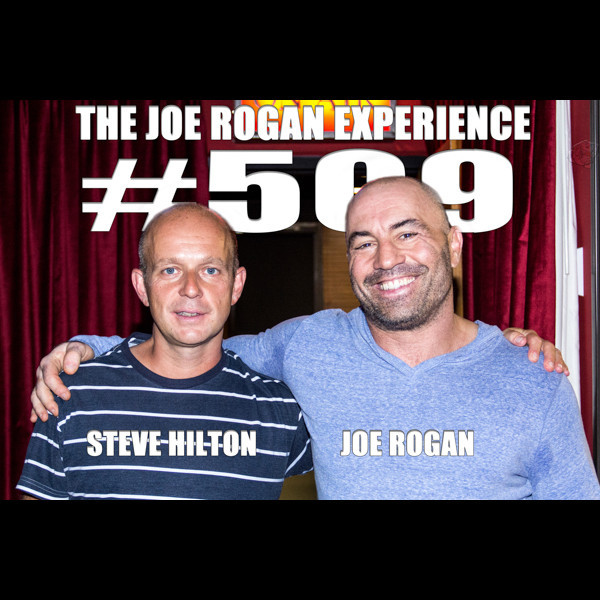
This podcast features a lively discussion between Joe Rogan and Steve Hilton, a former British political strategist, exploring a range of topics from technology’s impact on society to the current state of American politics. Provocative discussions delve into the ethics of reality TV, the influence of money in politics, and the potential consequences of unchecked technological advancement. Underlying themes examine the complexities of human behavior, the challenges of navigating a rapidly changing world, and the importance of individual responsibility in shaping a better future.
1. The Power and Perils of Technology
- Hilton expresses concern over the pervasive nature of technology, particularly phones, arguing that they can be addictive and detract from genuine human interaction.
- Rogan acknowledges both the benefits and drawbacks of technology, highlighting its ability to connect people but also its potential for distraction and manipulation.
- The discussion explores the influence of technology on children, noting their rapid adaptation to screens and its potential for rewiring their brains.
- They touch upon the impact of technology on the news industry, with the rise of online platforms like the Huffington Post and the Young Turks challenging traditional media outlets and their methods.
2. The Flawed Nature of Democracy
- Rogan expresses frustration with the concept of one person, one vote, arguing that those who are less informed or make poor decisions have equal power to those who are more aware and responsible.
- Hilton shares his experience with the British political system, observing how voter apathy and the influence of special interests can lead to a disconnect between the government and the people it represents.
- They discuss the phenomenon of voter turnout, noting that it is often lowest during primary elections, suggesting a lack of faith in the system and the belief that individual votes don’t make a difference.
- The controversial proposition 8 in California, which repealed gay marriage, is brought up as an example of how seemingly progressive states can make decisions that reflect the views of a less informed majority.
3. The Influence of Money in Politics
- Hilton highlights his work with Crowdpac, a platform designed to provide voters with objective information about political candidates, focusing on their financial backers and potential conflicts of interest.
- They discuss the role of campaign finance and the influence of large donors, arguing that it can stifle true representation and hinder policy progress.
- The idea of getting money out of politics is explored, with Hilton acknowledging the challenges presented by the First Amendment and suggesting that a better approach might be to increase voter participation and empower small donors.
- The comparison is drawn between the impact of the internet on news distribution and its potential to disrupt campaign finance, empowering individuals to access information and support candidates more directly.
4. The Ethics of Reality TV and Media Manipulation
- Rogan shares his experience hosting “Fear Factor” in the early days of reality TV, highlighting the trend of using scripted scenarios and predetermined outcomes to create drama and entertainment.
- They discuss the ethical implications of this approach, particularly with regard to documentaries like “Super Size Me” and “30 Days,” questioning their objectivity and whether they are truly investigative or simply entertainment designed to produce a desired outcome.
- Hilton describes a personal experience with a local news crew who refused to fake an interview with a member of the public, showcasing a rare example of integrity in the media industry.
- They discuss the prevalence of people willing to lie or embellish stories for the sake of being on camera, questioning whether this reflects a desire for fame, a need to please others, or a combination of both.
5. The Future of Leadership and Society
- Hilton expresses a belief that traditional leadership models, with a single figure at the helm, may be challenged by the increasingly decentralized nature of power in society.
- Rogan agrees, suggesting that leadership roles may become less about controlling others and more about facilitating collaboration and empowering individuals to make decisions that affect their lives.
- They discuss the concept of Dunbar’s Number, which posits a limit to the number of meaningful relationships an individual can maintain, suggesting that as societies grow larger, the need for decentralized decision-making becomes more crucial.
- The importance of local communities and their ability to make decisions that affect their immediate surroundings is emphasized, with examples like the traffic experiment in Holland, where removing traffic signals resulted in improved traffic flow.
6. The Potential of Technology to Transform Education
- Hilton shares his perspective on the current state of education in the United States, highlighting the underfunding of schools and the need to attract high-quality teachers.
- The positive example of Finland, where teaching is a highly respected and well-rewarded profession, is cited as a model for improvement.
- They discuss the prohibitive cost of higher education in the US and the potential of online courses and resources to democratize access to learning.
- The potential for virtual reality to enhance education and create more immersive learning experiences is also discussed, highlighting its ability to influence behavior and create a greater sense of empathy.
7. The Ethical Implications of Technological Advancements
- Hilton and Rogan discuss the potential for artificial intelligence and synthetic life to reshape humanity, with concerns about unchecked technological advancement and the potential for unforeseen consequences.
- The concept of a “transcendental moment,” where human consciousness merges with technology, is explored, with both the potential for progress and the possibility of unintended consequences.
- They touch upon the potential for computers to calculate the past, based on the vast amounts of data they can process, raising questions about free will and the nature of reality.
- The importance of critical thinking and a healthy skepticism towards technological advancements is emphasized, arguing that society needs to be proactive in anticipating and managing the potential downsides of progress.
8. The Need for Balance and Individual Responsibility
- Hilton argues for a more balanced approach to technology, suggesting that while it offers many benefits, it also needs to be used responsibly and with awareness of its potential downsides.
- The importance of individual responsibility is highlighted, emphasizing the need for self-awareness, critical thinking, and a willingness to question accepted norms and beliefs.
- The concept of “living in the moment” is discussed as a way to navigate the complexities of the modern world, focusing on enjoying the present rather than dwelling on the past or worrying about the future.
- They emphasize the need for a healthy balance in all things, whether it’s technology, diet, or social interactions, reminding listeners that moderation is key to a fulfilling life.
9. Controversial Topics and Societal Issues
- The legalization of marijuana is discussed, with Rogan and Hilton sharing their perspectives on its potential benefits and the need to address the social problems created by prohibition.
- The prevalence of gang violence in cities like Chicago is examined, with a former police officer’s perspective highlighting the role of the drug trade and the potential for legalization to reduce crime.
- The issue of prostitution is explored, with Rogan arguing for its legalization and the need to address sex trafficking and exploitation.
- The rise of the “men’s rights” movement is discussed, with Rogan critiquing its often extreme and misogynistic positions and emphasizing the need for a more balanced and nuanced perspective on gender issues.
10. The Impact of Technology on Personal Relationships and Identity
- The potential for technology to erode privacy and personal boundaries is discussed, with Rogan and Hilton speculating on the implications of mind-reading technology and its impact on human relationships.
- The role of social media and the internet in shaping our identities and perceptions of ourselves is explored, highlighting the potential for both positive and negative influences.
- The idea of artificial life and the possibility of downloading consciousness into a synthetic body is discussed, raising questions about what it means to be human and the potential for a future where technology blurs the lines between biological and artificial life.
- They touch upon the potential for technology to create a sense of isolation and disconnect from the natural world, highlighting the importance of maintaining a balance between technology and real-world experiences.
11. The Importance of Critical Thinking and Questioning Authority
- Rogan and Hilton emphasize the need for critical thinking and a willingness to question established norms and beliefs, particularly in the face of rapid technological change.
- They discuss the potential for scientific advancements to be misused, highlighting the need for ethical considerations and a focus on mitigating the potential downsides of progress.
- The importance of challenging authority and holding those in power accountable is emphasized, particularly in the context of the government’s involvement in surveillance and the erosion of privacy.
- They encourage listeners to stay informed, engage in dialogue, and actively participate in shaping the future, rather than passively accepting the status quo.
5 Memorable Quotes:
- “I’m trying to fight at Joe’s time. You know, it’s an option. Just shut them off, though. That’s the beautiful thing. When you don’t want to use them, you shut them off.” – Hilton on the benefits of disconnecting from technology.
- “It’s not like these things aren’t toxic. They’re just not good. They’re just high in cholesterol, and they’re kind of fatty and sugary.” – Rogan on the dangers of a purely unhealthy diet, contrasting it with the concept of moderation.
- “They took an agenda. You know, they’re trying to make a point and they set it up like that. They edit it like that.” – Rogan on the manipulation tactics used in some reality TV shows and documentaries.
- “I think the best way to predict what a politician will do if they’re elected is to look at where they get their money.” – Hilton on the importance of understanding campaign finance and its influence on political decisions.
- “It’s a symbiotic connection that human beings have to technology and the potential for developing artificial technology or artificial life. I think that we we give birth to that.” – Rogan on the intertwined relationship between humanity and technology and the potential for creating new life forms.