1/1/2017
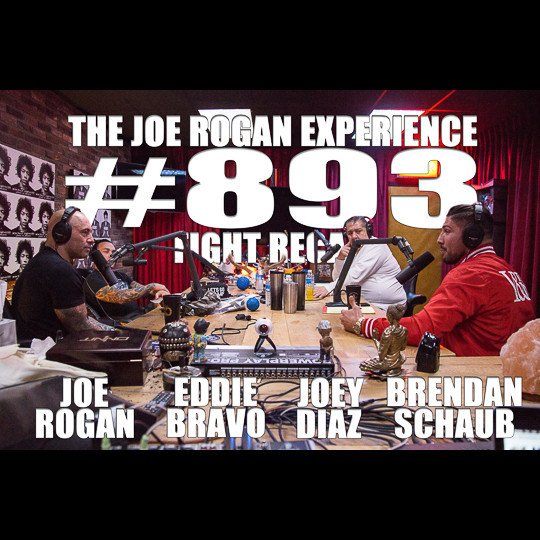
Joe Rogan Podcast #893 – Fight Recap
This episode of the Joe Rogan Experience features a lively discussion about the recent UFC 207 event, with particular focus on the highly anticipated main event between Ronda Rousey and Amanda Nunes. The conversation dives deep into the controversial circumstances surrounding the fight, analyzing Rousey’s performance and the role of coaching, marketing, and mental preparedness. Beyond the specific fight, the conversation explores broader themes of physical and mental attributes in combat sports, the impact of a knockout, and the evolving landscape of MMA. Provocative topics include the role of coaches and their influence on fighters’ decisions, the psychological effects of a knockout, and the ever-present question of performance-enhancing drugs. Underlying themes explore the balance between physical prowess and mental fortitude in high-stakes competition, the impact of fame and celebrity on fighters’ decisions, and the ethics of coaching and training in combat sports.
Major Topics
- Ronda Rousey’s UFC 207 Loss:
- Rousey’s lack of media engagement prior to the fight was seen as a red flag.
- The fight ended in 48 seconds, with Rousey being knocked out by Nunes.
- The discussion touches on whether Rousey’s mental state or coaching played a role in the outcome.
- The episode reflects on the impact of Rousey’s previous knockout and whether it affected her fighting style.
- Amanda Nunes’s Dominance:
- Nunes is hailed as a powerful striker with a dangerous right hand.
- Her strategy against Rousey was effective, utilizing a combination of powerful strikes and takedowns.
- The conversation explores whether Nunes’s ability to close the distance and strike effectively made her the perfect opponent for Rousey.
- The episode acknowledges the potential for Nunes to become a dominant force in the women’s UFC division.
- The Importance of Coaching in MMA:
- The episode highlights the importance of having a qualified and experienced head coach who can provide a comprehensive game plan.
- The discussion touches on the potential downsides of having coaches who specialize in one specific area, such as striking or grappling, and how this can lead to a fighter becoming too focused on that area.
- The conversation explores the concept of “Bangkok Ready,” a term often used to describe fighters who are overly confident in their striking ability after a short period of training.
- The episode emphasizes the need for coaches to understand the complete range of skills and tactics required in MMA, and to develop a balanced game plan that takes into account all aspects of the fight.
- The Psychology of Knockout:
- The episode discusses the effects of a knockout on a fighter’s brain and how it can affect their ability to absorb punches in the future.
- The conversation touches on the idea that a knockout can sometimes change a fighter’s mental approach to the sport, making them more hesitant or less aggressive.
- The episode explores the idea that certain fighters may be more susceptible to knockouts than others due to their physical attributes, such as neck thickness or chin structure.
- The conversation emphasizes the importance of understanding the long-term risks of knockout, particularly in the context of a fighter’s overall health and well-being.
- The Evolving Landscape of MMA:
- The episode acknowledges the rapid evolution of MMA and how fighters need to constantly adapt and improve their skills to remain competitive.
- The conversation highlights the growing importance of having a diverse set of skills, including striking, grappling, and wrestling, to succeed in the modern MMA landscape.
- The episode discusses the need for fighters to commit to a comprehensive training plan that includes all aspects of the sport, rather than focusing solely on one particular area.
- The conversation explores the impact of the USADA (United States Anti-Doping Agency) on the sport, particularly in terms of deterring performance-enhancing drug use.
- Cody Garbrandt’s Triumph over Dominic Cruz:
- Garbrandt defeated Cruz by knockout in the first round, proving his ability to handle Cruz’s unique fighting style.
- Garbrandt’s boxing background played a crucial role in his victory, allowing him to land powerful punches and counter Cruz’s movements.
- The episode highlights Garbrandt’s determination and his willingness to take risks in the fight, which ultimately led to his success.
- The conversation emphasizes Garbrandt’s potential to become a future champion in the UFC Bantamweight division.
- The Rise of Amanda Nunes:
- Nunes is seen as a potential superstar in the UFC women’s division, having defeated two legendary fighters, Misha Tate and Ronda Rousey.
- The episode highlights her ability to dominate opponents and her aggressive fighting style.
- The conversation discusses the potential for Nunes to become a double-champion, holding titles in both the Bantamweight and Featherweight divisions.
- The episode acknowledges the marketing opportunities presented by Nunes’s success, particularly in light of her victory over Rousey.
- The Impact of Conor McGregor:
- McGregor is considered a megastar in MMA, with a unique ability to draw massive pay-per-view numbers.
- The conversation discusses the impact of McGregor’s success on the sport, both financially and in terms of fan interest.
- The episode acknowledges that McGregor’s charisma and marketing appeal are significant factors in his success.
- The conversation explores the potential for other fighters to replicate McGregor’s success, but recognizes the unique circumstances that have contributed to his rise.
- The Importance of Physical Attributes in MMA:
- The episode discusses the role of natural physical attributes, such as power, speed, and size, in MMA.
- The conversation highlights the fact that while technique and training are crucial, there are certain physical attributes that can give fighters a significant advantage.
- The episode explores the concept of “freaks” in MMA, those fighters who possess exceptional physical abilities.
- The conversation acknowledges that while training can help to develop power and speed, there are certain physical attributes that are largely genetic.
- Performance-Enhancing Drugs in MMA:
- The episode touches on the issue of performance-enhancing drugs (PEDs) in MMA and the role of the USADA in testing and regulating the sport.
- The conversation acknowledges that PEDs can give fighters an unfair advantage and that the sport is constantly battling against their use.
- The episode discusses the impact of PEDs on the integrity of the sport and how their use can damage the reputations of fighters and organizations.
- The conversation highlights the importance of continued efforts to combat PED use in MMA and to ensure that the sport is fair and competitive.
- The Role of Marketing and Media in MMA:
- The episode explores the influence of marketing and media on the UFC, particularly in terms of building up fights and creating storylines.
- The conversation discusses the potential for marketing to overshadow the actual competitive aspect of the sport.
- The episode acknowledges the power of media narratives in shaping public perception of fighters and events.
- The conversation explores the balance between promoting the sport and maintaining its credibility.
- The “Freak Show” Nature of MMA:
- The episode touches on the “freak show” aspect of MMA, particularly in terms of the unusual and sometimes shocking events that occur in the sport.
- The conversation highlights the extreme nature of the sport, with its potential for violence and injury.
- The episode acknowledges the attraction of these elements to some fans, but also discusses the importance of ethical considerations in the sport.
- The conversation explores the need to balance entertainment value with athlete safety and sportsmanship.
- The Impact of Celebrity and Fame on Fighters:
- The episode discusses the impact of fame and celebrity on fighters’ decisions and behavior.
- The conversation explores the pressures that fighters face, particularly in terms of financial gain and media attention.
- The episode acknowledges that these pressures can sometimes lead to poor decisions or a shift in focus away from the sport itself.
- The conversation highlights the importance of fighters maintaining a healthy perspective and understanding the impact of fame on their careers and personal lives.
- The Ethics of Coaching in Combat Sports:
- The episode touches on the ethical considerations involved in coaching combat sports, particularly in terms of encouraging fighters to take risks or engage in potentially dangerous strategies.
- The conversation discusses the responsibility of coaches to protect the safety and well-being of their fighters.
- The episode explores the role of coaches in promoting sportsmanship and fair play.
- The conversation acknowledges the need for coaches to act with integrity and to prioritize the long-term health and well-being of their athletes.
- The Importance of Mental Fortitude in MMA:
- The episode emphasizes the importance of mental fortitude in MMA, particularly in high-stakes situations.
- The conversation discusses how mental toughness can help fighters to overcome adversity, handle pressure, and maintain focus.
- The episode explores the role of psychological training in helping fighters to develop mental resilience.
- The conversation acknowledges that mental strength is just as important as physical strength in determining a fighter’s success.
- The “Donner Party” Analogy:
- The episode uses the “Donner Party” analogy to illustrate the extremes of human behavior in survival situations.
- The conversation explores the lengths to which people will go to survive, even if it means resorting to cannibalism.
- The episode acknowledges the dark side of human nature and the potential for desperation to drive people to extreme actions.
- The conversation highlights the importance of understanding the complexities of human behavior, particularly in stressful or dangerous situations.
- The “Freak Show” of Japanese MMA:
- The episode discusses the unusual and sometimes shocking events that occur in Japanese MMA.
- The conversation highlights the differences between Japanese MMA and the UFC, particularly in terms of the rules and the level of competition.
- The episode explores the appeal of these events to some fans, but also discusses the importance of ethical considerations in the sport.
- The conversation acknowledges the need to balance entertainment value with athlete safety and sportsmanship.
- The Mystery of Ancient Egyptian Carvings:
- The episode touches on the mystery surrounding certain ancient Egyptian carvings, particularly those that exhibit advanced techniques that are not fully understood.
- The conversation explores the possibility of advanced technology being used in ancient Egypt, but acknowledges the lack of definitive evidence.
- The episode highlights the importance of scientific investigation and the ongoing quest to understand the past.
- The conversation acknowledges the role of speculation and debate in the pursuit of knowledge.
- The Power of Genetics in Combat Sports:
- The episode discusses the role of genetics in determining a fighter’s physical attributes, particularly in terms of power and speed.
- The conversation highlights the fact that while training can help to develop these attributes, certain genetic predispositions can give fighters a significant advantage.
- The episode explores the idea that some fighters may be born with a natural talent for combat sports.
- The conversation acknowledges the importance of understanding the role of genetics in determining a fighter’s potential.
- The Role of “Woosh” Power:
- The episode introduces the concept of “woosh” power, a term used to describe the rare and exceptional power that some fighters possess.
- The conversation explores the possibility that this type of power is not simply a result of training, but may have a genetic component.
- The episode highlights the impact of this type of power on opponents, often leaving them disoriented or unconscious.
- The conversation acknowledges the mystique surrounding this type of power and the difficulty of replicating it through training alone.
- The Importance of Commitment and Dedication in MMA:
- The episode emphasizes the importance of commitment and dedication in MMA, particularly in terms of training and preparation.
- The conversation highlights the fact that success in MMA requires a significant investment of time and effort.
- The episode acknowledges that many fighters who fail to reach the top of the sport do so because they lack the necessary dedication.
- The conversation emphasizes the importance of setting goals and consistently working towards them in order to achieve success in MMA.
- The Role of “Specialists” in MMA:
- The episode discusses the role of specialists in MMA, those fighters who excel in one particular area of the sport.
- The conversation explores the effectiveness of this strategy, particularly in terms of fighters who are highly skilled in grappling or striking.
- The episode acknowledges the limitations of this approach, particularly in terms of fighters who may not have the necessary skills to compete in other areas of the sport.
- The conversation highlights the importance of developing a balanced skill set in order to succeed in the modern MMA landscape.
- The “Playboy Mansion” and the Illusion of Luxury:
- The episode touches on the “Playboy Mansion” and its image of luxury and excess, but also acknowledges that this is often a facade.
- The conversation highlights the fact that even in places like the Playboy Mansion, there is still a sense of routine and ordinary life.
- The episode explores the idea that celebrity and luxury are often more illusionary than real, and that there is a sense of normalcy even in extraordinary situations.
- The conversation acknowledges the importance of understanding the complexities of human experience, even in seemingly extraordinary settings.
- The Dark Side of Human Behavior:
- The episode delves into the darker aspects of human behavior, particularly in the context of survival situations.
- The conversation discusses the potential for violence and cannibalism in extreme circumstances.
- The episode acknowledges the difficult ethical choices that people may face when confronted with life-or-death situations.
- The conversation highlights the importance of understanding the complexities of human behavior, particularly in extreme situations.
- The Role of “Woosh” Power:
- The episode introduces the concept of “woosh” power, a term used to describe the rare and exceptional power that some fighters possess.
- The conversation explores the possibility that this type of power is not simply a result of training, but may have a genetic component.
- The episode highlights the impact of this type of power on opponents, often leaving them disoriented or unconscious.
- The conversation acknowledges the mystique surrounding this type of power and the difficulty of replicating it through training alone.
- The Importance of Commitment and Dedication in MMA:
- The episode emphasizes the importance of commitment and dedication in MMA, particularly in terms of training and preparation.
- The conversation highlights the fact that success in MMA requires a significant investment of time and effort.
- The episode acknowledges that many fighters who fail to reach the top of the sport do so because they lack the necessary dedication.
- The conversation emphasizes the importance of setting goals and consistently working towards them in order to achieve success in MMA.
- The Role of “Specialists” in MMA:
- The episode discusses the role of specialists in MMA, those fighters who excel in one particular area of the sport.
- The conversation explores the effectiveness of this strategy, particularly in terms of fighters who are highly skilled in grappling or striking.
- The episode acknowledges the limitations of this approach, particularly in terms of fighters who may not have the necessary skills to compete in other areas of the sport.
- The conversation highlights the importance of developing a balanced skill set in order to succeed in the modern MMA landscape.
- The “Playboy Mansion” and the Illusion of Luxury:
- The episode touches on the “Playboy Mansion” and its image of luxury and excess, but also acknowledges that this is often a facade.
- The conversation highlights the fact that even in places like the Playboy Mansion, there is still a sense of routine and ordinary life.
- The episode explores the idea that celebrity and luxury are often more illusionary than real, and that there is a sense of normalcy even in extraordinary situations.
- The conversation acknowledges the importance of understanding the complexities of human experience, even in seemingly extraordinary settings.
- The Dark Side of Human Behavior:
- The episode delves into the darker aspects of human behavior, particularly in the context of survival situations.
- The conversation discusses the potential for violence and cannibalism in extreme circumstances.
- The episode acknowledges the difficult ethical choices that people may face when confronted with life-or-death situations.
- The conversation highlights the importance of understanding the complexities of human behavior, particularly in extreme situations.
Memorable Quotes
- “When I was watching that fight play out, I was like, ‘Who the fuck knows?’ I mean, you could see look, Rhonda looked like she was in amazing shape.”
- “She’s not moving her head at all. She’s standing straight up in the air, and then I see her legs get close together. And that’s when you know someone’s really hurt.”
- “Don’t you think the game plan should have been? Get her to the ground, engaged, and she tried that a little bit. She didn’t shoot. She wasn’t there, though, mentally.”
- “He’s a promoter through and through. One of the if not the best of all time, I can’t think of another one. Don King, I guess, but still, for him to say, ‘Yeah, you can skip all the media shit and just focus on the fight.’ I was like, ‘God, that just doesn’t seem right.'”
- “But, like, to your point, Whitley just wants a big fight for lucrative payday. That’s all. He wants the biggest name possible to get paid. Yeah. Smart. That’s the name of the game.”