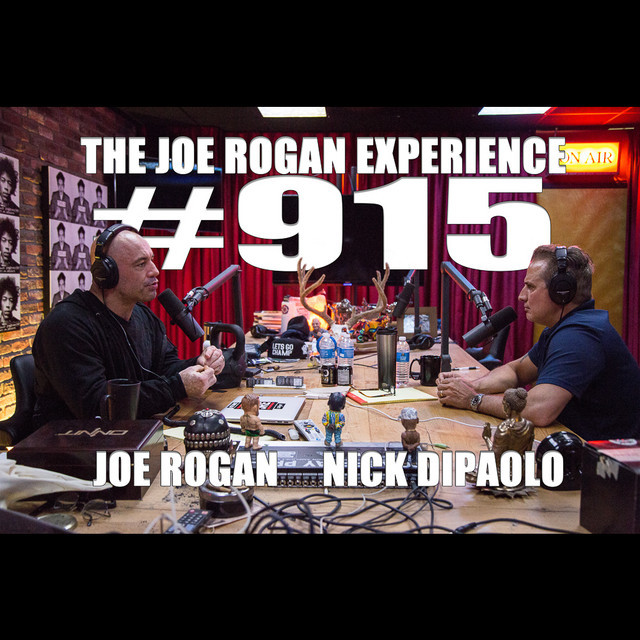
2/13/2017
“`html
This episode of the Joe Rogan Experience features comedian Nick DiPaolo, known for his controversial and often politically charged humor. The conversation touches on a wide range of topics, from the absurdity of modern technology to the complexities of political correctness, all woven together by DiPaolo’s signature brand of unapologetic commentary. The podcast delves deep into the undercurrents of societal anxieties, exposing the deep divides between different ideologies, and questioning the very nature of truth and perception in today’s world.
Topics Explored:
- Fear of Technology and Electricity:
- DiPaolo reveals his long-standing fear of electricity, stemming from a childhood incident involving a friend’s electrocution.
- He expresses confusion and frustration with the rapid advancements in technology, admitting his inability to grasp its complexities.
- The discussion highlights the anxieties associated with the growing reliance on technology and the potential dangers of unseen forces, like electrical currents.
- DiPaolo’s fear provides a relatable entry point for examining the common fear of the unknown and the ways in which societal advancements can foster anxiety.
- Political Divide and the “Flyover States”:
- DiPaolo discusses the often-derogatory perception of “flyover states” and how the rise of Donald Trump has changed the national discourse surrounding those areas.
- He contrasts the liberal bubbles of major cities like New York and Los Angeles with the more conservative viewpoints prevalent in the Midwest and other parts of the country.
- DiPaolo argues that the political divide is largely fueled by a lack of understanding between those living in different regions and social circles.
- He underscores the importance of acknowledging diverse viewpoints and fostering dialogue across ideological divides.
- The Influence of the Bilderberg Group and Conspiracy Theories:
- DiPaolo delves into conspiracy theories, referencing a book that suggests a small group of powerful individuals, the Bilderberg Group, manipulate global events.
- The conversation touches on the assassination of JFK and the Warren Commission report, highlighting inconsistencies and potential cover-ups.
- DiPaolo’s exploration of conspiracy theories reflects a common desire to find meaning and order in a seemingly chaotic world, highlighting the allure of alternative narratives.
- The discussion invites viewers to consider the boundaries of truth and the role of skepticism in shaping our understanding of reality.
- The Complexities of Political Correctness and Identity:
- DiPaolo grapples with the ever-evolving landscape of political correctness, particularly regarding issues of gender and sexuality.
- He discusses the rise of terms like “cisgender” and the growing emphasis on inclusivity, sometimes leading to confusion and cultural clashes.
- The conversation touches on the delicate balance between promoting social justice and respecting individual expression.
- DiPaolo’s comedic approach allows for a more lighthearted examination of complex social issues, opening up a space for humor to serve as a vehicle for critical reflection.
- The “Nasty Woman” Phenomenon and Gender Politics:
- DiPaolo explores the gender politics surrounding the 2016 election, highlighting the “nasty woman” label used to describe Hillary Clinton.
- He discusses the power dynamics within the feminist movement and how it has shifted in recent years.
- DiPaolo examines the complexities of female empowerment and the ongoing debate surrounding traditional gender roles.
- He challenges viewers to reconsider the ways in which women are portrayed and perceived in society, using humor to spark reflection on these issues.
- The Clinton Foundation and Allegations of Corruption:
- DiPaolo discusses the controversies surrounding the Clinton Foundation, highlighting allegations of corruption and the use of political influence for financial gain.
- He points out the hypocrisy of the foundation’s focus on global aid while engaging in practices that some consider ethically questionable.
- The discussion exposes the double standards often applied to different political figures and institutions.
- DiPaolo’s critiques of the Clinton Foundation invite viewers to scrutinize the ethics and accountability of power structures.
- Trump’s Hair and the Speculation Surrounding It:
- DiPaolo humorously dissects the mystery surrounding Donald Trump’s hair, referencing various conspiracy theories and media reports.
- He speculates on the potential use of hairpieces and the role of vanity in shaping the president’s public image.
- The discussion highlights the fascination with celebrity culture and the lengths to which people will go to understand and analyze the lives of those in the public eye.
- DiPaolo’s comedic commentary provides a lighthearted lens through which to explore the absurdity of media scrutiny and the obsession with appearance.
- The Power of Mind Reading Technology and its Impact on Relationships:
- DiPaolo ponders the implications of mind reading technology, speculating on its potential impact on relationships and communication.
- He explores the possibility of a future where privacy and personal expression are radically altered by advanced technological capabilities.
- The discussion touches on the ethics of accessing personal thoughts and feelings, raising questions about the boundaries of technology and human interaction.
- DiPaolo’s musings on mind reading technology invite viewers to envision a future where the lines between the physical and digital realms become increasingly blurred.
- The Role of Sports in Shaping Individual Character:
- DiPaolo discusses the importance of competitive sports in developing resilience, discipline, and the ability to handle failure.
- He contrasts the mentality of athletes and fighters with those who lack experience in competitive settings, suggesting that sports can provide valuable life lessons.
- The discussion highlights the benefits of embracing challenges, developing strategies for overcoming setbacks, and understanding the importance of teamwork.
- DiPaolo’s insights into the role of sports offer a framework for understanding the value of pushing boundaries, learning from mistakes, and developing a strong work ethic.
- The Dangers of Mob Mentality and the Rise of “Punching Nazis”:
- DiPaolo criticizes the prevalence of mob mentality, particularly in university settings, and the tendency to label dissenting voices as “Nazis.”
- He argues that resorting to violence and silencing opposing viewpoints hinders meaningful dialogue and fosters division.
- The discussion delves into the dangers of dehumanizing language and the tendency to equate disagreement with hatred.
- DiPaolo’s commentary encourages viewers to recognize the importance of reasoned discourse, tolerance, and the ability to engage with diverse perspectives.
- The Cultural Differences Between America and Other Nations:
- DiPaolo examines the complexities of immigration and the challenges of reconciling cultural differences between America and other nations, particularly those with restrictive social policies.
- He argues that the left’s emphasis on cultural equality ignores the realities of deeply ingrained societal practices, particularly regarding gender roles.
- DiPaolo highlights the importance of understanding the historical context and nuances of different cultures, arguing that a one-size-fits-all approach to social progress is often ineffective.
- He raises questions about the viability of open borders and the challenges of assimilating diverse cultures into a single society.
- The Rise of Fentanyl and the Opioid Crisis:
- DiPaolo discusses the dangers of fentanyl, a powerful synthetic opioid, and its role in the ongoing opioid crisis.
- He highlights the devastating effects of fentanyl overdose and the need for greater awareness of its potency.
- The discussion touches on the complexities of drug addiction and the need for effective solutions to address this public health crisis.
- DiPaolo’s commentary underscores the importance of understanding the root causes of addiction and the need for compassion and empathy in addressing these issues.
- The Role of Testosterone Replacement Therapy and its Implications:
- DiPaolo shares his personal experience with testosterone replacement therapy, explaining its benefits and potential risks.
- He emphasizes the importance of responsible usage and the need for careful monitoring of hormone levels.
- The discussion delves into the cultural and societal pressures surrounding aging and the desire to maintain physical vitality.
- DiPaolo’s insights into testosterone therapy provide a more nuanced perspective on the topic, encouraging viewers to consider its benefits and drawbacks.
- The Importance of Discipline and the Value of Failure:
- DiPaolo emphasizes the importance of discipline, particularly as it relates to comedy and the pursuit of success.
- He discusses the need to embrace failure as a learning opportunity, suggesting that those who never experience defeat may struggle to overcome adversity.
- The discussion highlights the value of perseverance, dedication, and the ability to push boundaries in order to achieve goals.
- DiPaolo’s insights into the importance of discipline and failure offer a roadmap for navigating the challenges and rewards of any chosen path.
- The “Gay Cause” in Television and the Perpetuation of Stereotypes:
- DiPaolo criticizes what he perceives as a “gay cause” in television, citing the show “Chopped” as an example of how diversity can sometimes be exploited for entertainment purposes.
- He argues that the constant representation of LGBTQ+ individuals can perpetuate stereotypes and reinforce divisions between different groups.
- The discussion touches on the complexities of representation and the need for authenticity and nuance in portraying diverse communities.
- DiPaolo’s critique of the “gay cause” in television sparks a conversation about the responsible portrayal of identity and the potential pitfalls of tokenism.
- The Importance of “Punching Up” in Comedy and the Limits of Humor:
- DiPaolo examines the concept of “punching up” in comedy, challenging the notion that humor is always more effective when directed at those in positions of power.
- He argues that humor can be effective regardless of its target, as long as it is well-crafted and insightful.
- The discussion explores the boundaries of humor and the importance of avoiding offensive or harmful jokes, even when targeting those who are perceived to have more privilege.
- DiPaolo’s perspective on “punching up” in comedy encourages viewers to consider the complexities of humor and its potential impact on different audiences.
- The Influence of the Mainstream Media on Public Perception:
- DiPaolo expresses his skepticism towards the mainstream media, arguing that it often presents a biased and distorted view of reality, particularly regarding political issues.
- He highlights the tendency for media outlets to focus on sensationalized narratives and to promote a particular political agenda.
- The discussion underscores the importance of media literacy and the need to critically evaluate information from different sources.
- DiPaolo’s commentary encourages viewers to be conscious of the potential for bias and to seek out diverse viewpoints in order to form informed opinions.
- The Legacy of Jerry Brown and the Perils of Power:
- DiPaolo discusses the political legacy of California governor Jerry Brown, reflecting on his long career and his often-unorthodox approach to governing.
- He highlights the potential dangers of unchecked power and the importance of accountability, particularly in the context of government officials.
- The discussion touches on the complexities of political power and the ways in which individuals in positions of authority can be both admired and criticized.
- DiPaolo’s commentary invites viewers to consider the ethical implications of political leadership and the importance of transparency and accountability.
- The Impact of Child Sexual Abuse on Individuals and Society:
- DiPaolo discusses the recent charges against Jerry Brown’s son, Jeffrey, for child sexual abuse, highlighting the pervasive nature of this issue and its lasting impact on victims.
- He expresses horror and disgust at the allegations, underscoring the gravity of child abuse and the need for justice.
- The discussion delves into the complexities of trauma and the need for support services to help victims heal.
- DiPaolo’s commentary encourages viewers to be aware of the signs of child abuse and to report any suspected cases, protecting vulnerable individuals and creating a safer society.
- The Legacy of Joe Paterno and the Penn State Scandal:
- DiPaolo revisits the Penn State scandal involving former football coach Joe Paterno, reflecting on the impact of the allegations on the university and its community.
- He discusses the challenges of confronting systemic abuse and the importance of holding individuals accountable for their actions, regardless of their status.
- The discussion touches on the complexities of addressing sexual abuse within institutions and the need for comprehensive policies to protect those who are vulnerable.
- DiPaolo’s commentary underscores the importance of speaking out against abuse, challenging power structures, and creating a safer environment for all.
- The Absurdity of Modern Social Norms and the Value of Individual Expression:
- DiPaolo highlights the absurdity of certain modern social norms, poking fun at the hyper-sensitivity and political correctness that can sometimes stifle free expression.
- He encourages viewers to embrace individuality and to challenge conventional wisdom, rejecting the notion that conformity is always preferable.
- The discussion touches on the importance of maintaining a sense of humor and to find joy in the unexpected and unconventional aspects of life.
- DiPaolo’s comedic approach allows for a more lighthearted examination of complex social issues, opening up a space for humor to serve as a vehicle for critical reflection.
Memorable Quotes
- “If you stick a fork in the wall in England, it finds your whole family, kills them too.”
- “You’re in a bubble. And what’s crazy is, like, he’s not a good candidate. It’s not like he’s like the perfect Republican. He’s not like, you know, an upstanding guy.”
- “I think as soon as you have 2 sides of people who can pick, people just get on 1 side and then fucking dig their heels in.”
- “I think there’s a real problem with having a right and having a left. I think as soon as you have 2 sides of people who can pick, people just get on 1 side and then fucking dig their heels in.”
- “I think everybody has a totally different an opinion of the flyover states now that Trump’s president.”
“`